Dexterity
What is Dexterity in Humanoid Robotics?
Skill and precision in hand and finger movements for complex manipulation.
High dexterity enables humanoid robots to perform intricate tasks like tying knots, using tools, or assembling small components.
How Dexterity Works
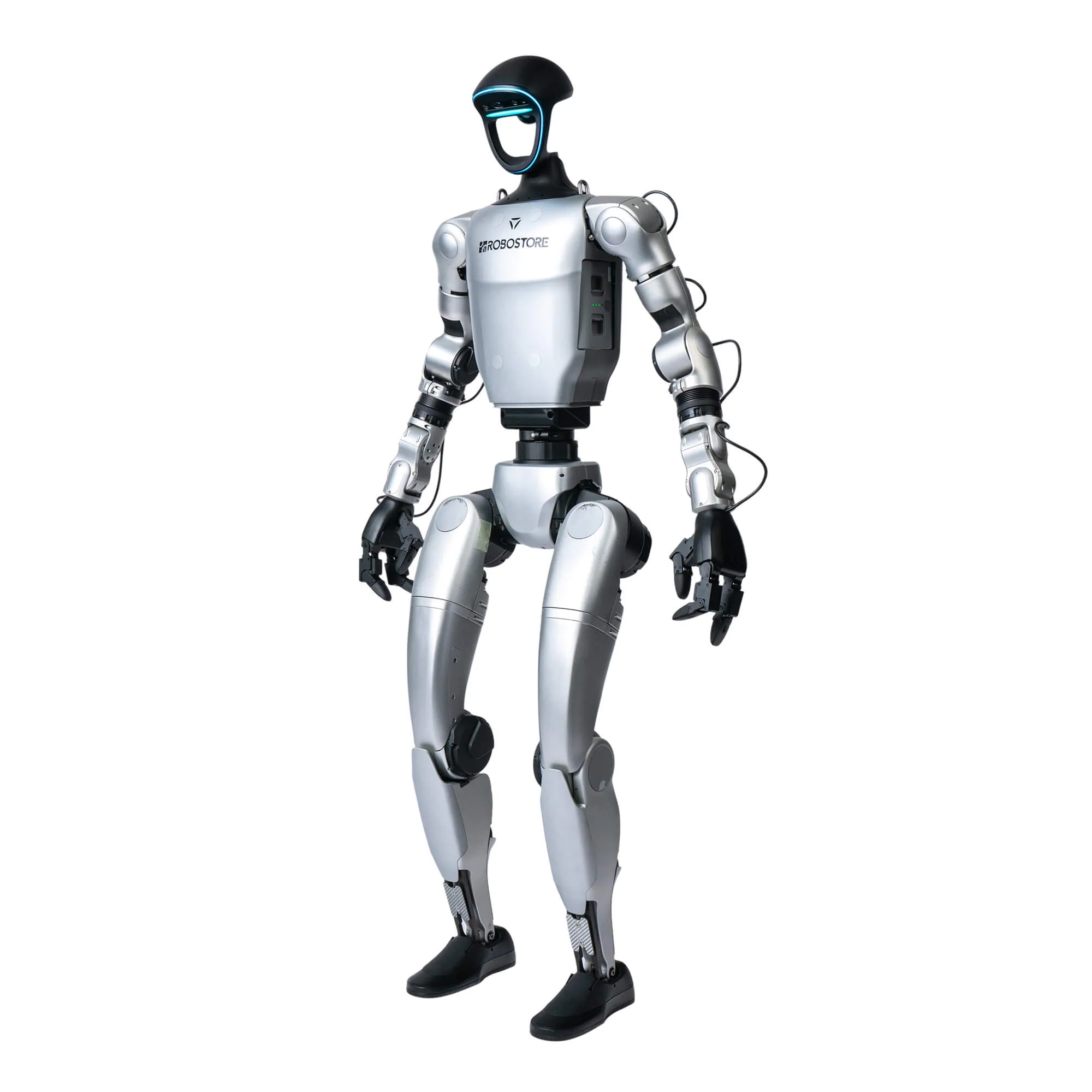
Robotic dexterity depends on multi-fingered hand design (typically 3-5 fingers with multiple joints each), tactile sensing in fingertips, and sophisticated control algorithms. Each finger has independent actuation across multiple joints, providing the degrees of freedom needed for complex grasps and in-hand manipulation. Tactile sensors detect contact forces, slippage, and object properties. Control algorithms coordinate finger movements to achieve stable grasps, apply appropriate forces, and manipulate objects through finger gaiting. Learning-based approaches train dexterous manipulation policies in simulation then transfer to hardware. Compliance in finger joints prevents crushing delicate objects.
Applications in Humanoid Robots
Dexterous manipulation enables humanoid robots to grasp objects of varied shapes and sizes reliably. In-hand manipulation rotates and repositions objects without regrasping. Tool use requires dexterous control - holding screwdrivers, wrenches, or surgical instruments correctly. Assembly tasks manipulate small parts and connectors precisely. Food preparation involves dexterous cutting, peeling, and stirring. Electronics assembly requires gentle, precise component handling. Dexterous hands enable typing, writing, and artistic tasks. Medical robots perform suturing and minimally invasive procedures.