Encoder
What is Encoder in Humanoid Robotics?
Device that converts mechanical motion into digital signals for precise position tracking.
Encoders provide continuous feedback on joint positions, enabling accurate movement control and closed-loop positioning in robotic systems.
How Encoder Works
Encoders use optical, magnetic, or capacitive sensing to track rotation. Optical encoders shine light through a coded disk with alternating transparent and opaque segments; photodetectors count transitions as the disk rotates. Incremental encoders output pulse trains indicating relative position change, while absolute encoders provide unique codes for each position, maintaining position data even after power loss. The control system reads encoder signals at high frequency (often thousands of times per second), calculating position, velocity, and acceleration. This feedback enables precise servo control, allowing robots to achieve and maintain target positions accurately.
Applications in Humanoid Robots
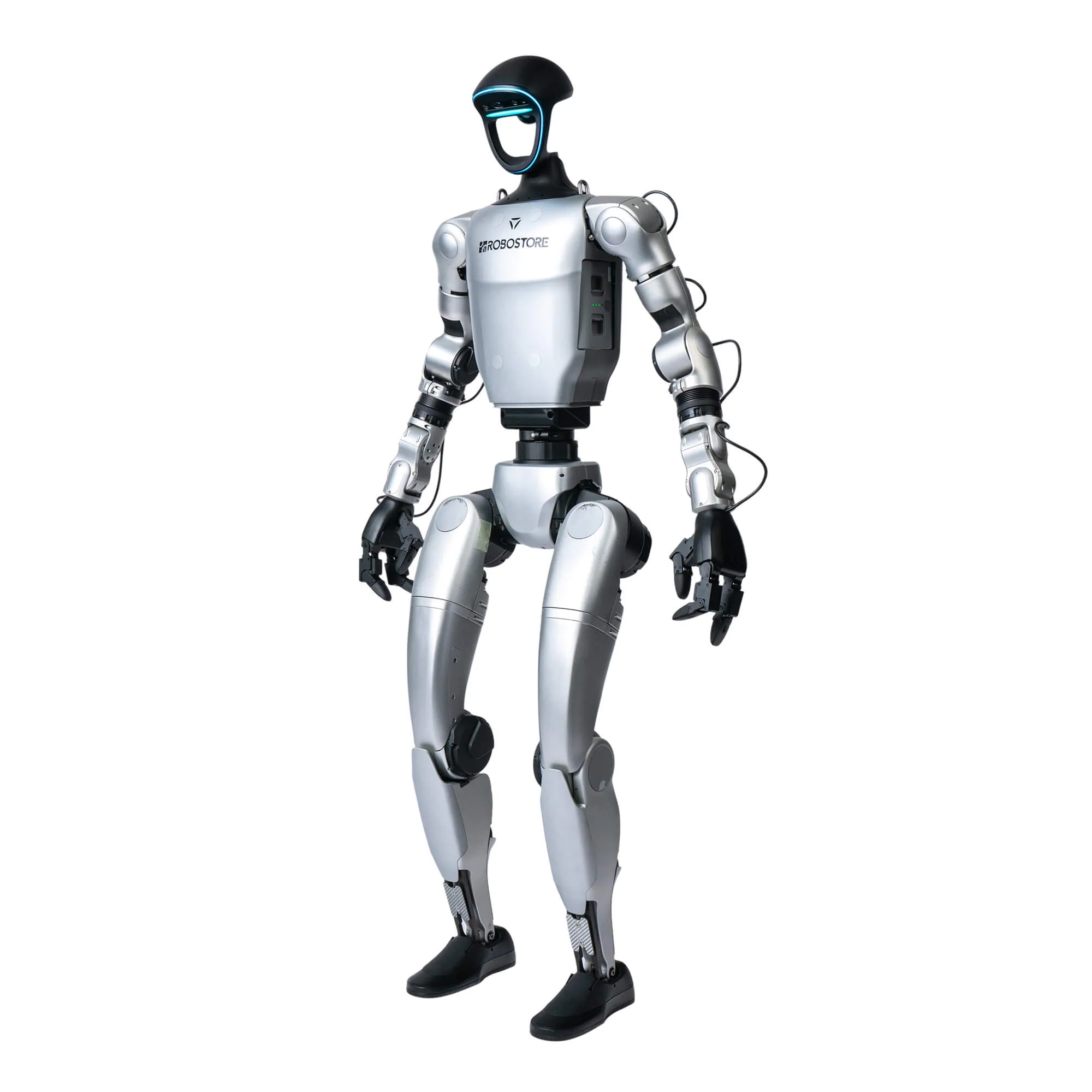
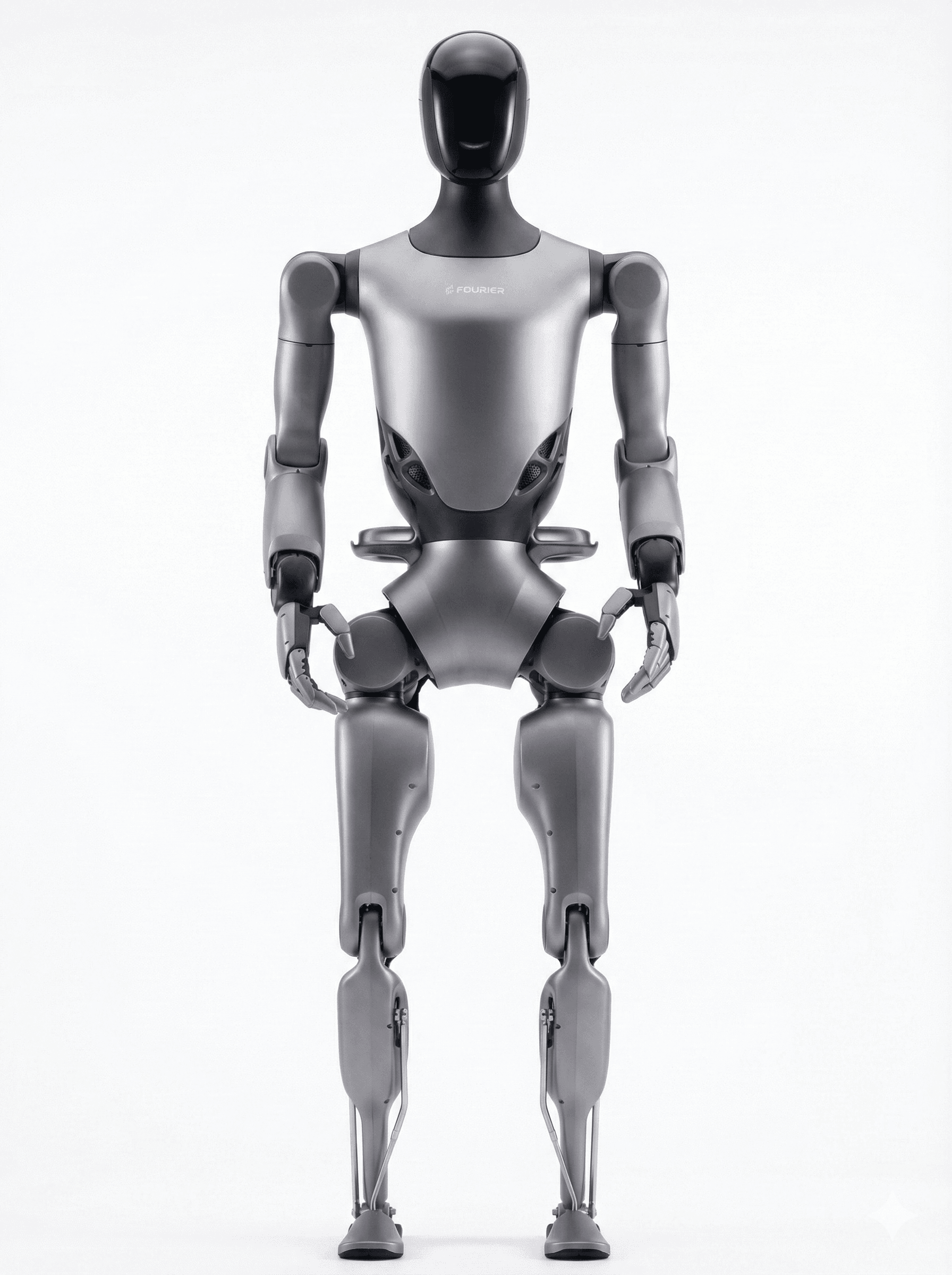
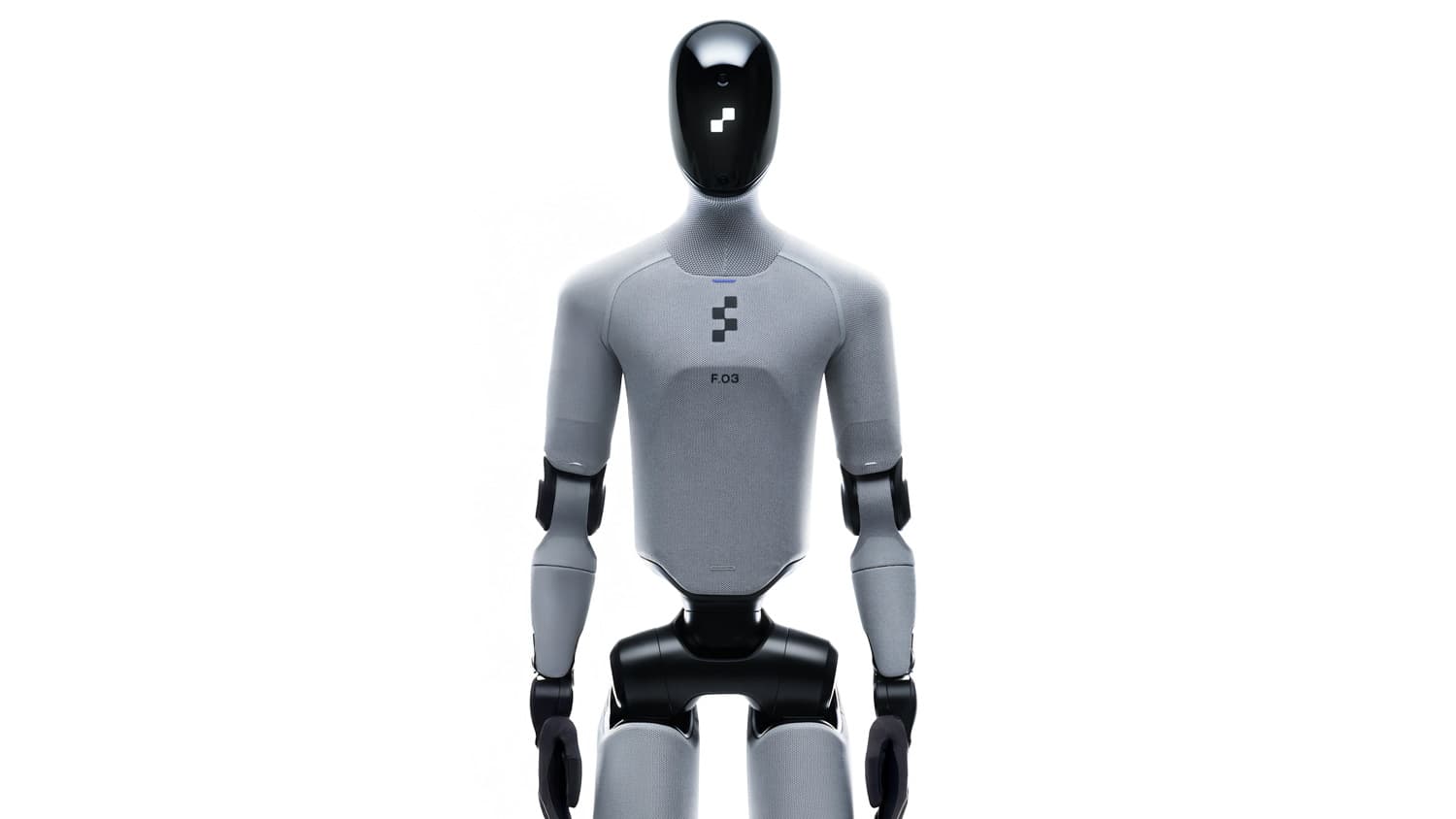
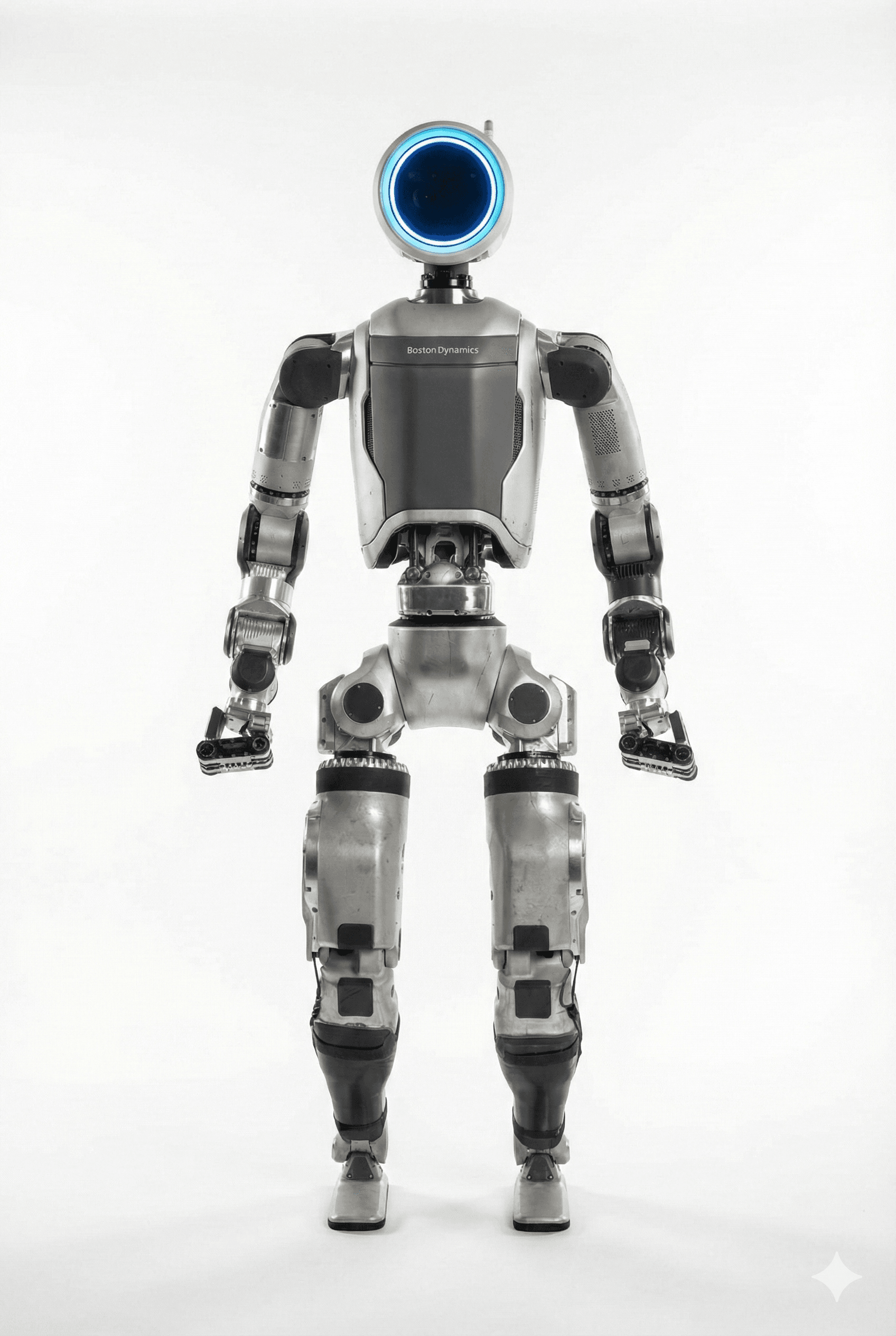
Encoders enable precise joint control in all humanoid robot movements. During walking, ankle and knee encoders ensure accurate foot placement. Manipulation tasks rely on arm and wrist encoders for positioning accuracy. Odometry systems use wheel encoders to track distance traveled. Torque control algorithms combine encoder position data with current measurements. Coordinated multi-joint movements require synchronized encoder feedback from all joints. Teaching mode operation records encoder positions to replay movements.