Form Factor
What is Form Factor in Humanoid Robotics?
Physical size, shape, and configuration of a robot body and structure.
Humanoid form factors range from child-sized service robots to full-size industrial units, affecting capabilities and applications.
How Form Factor Works
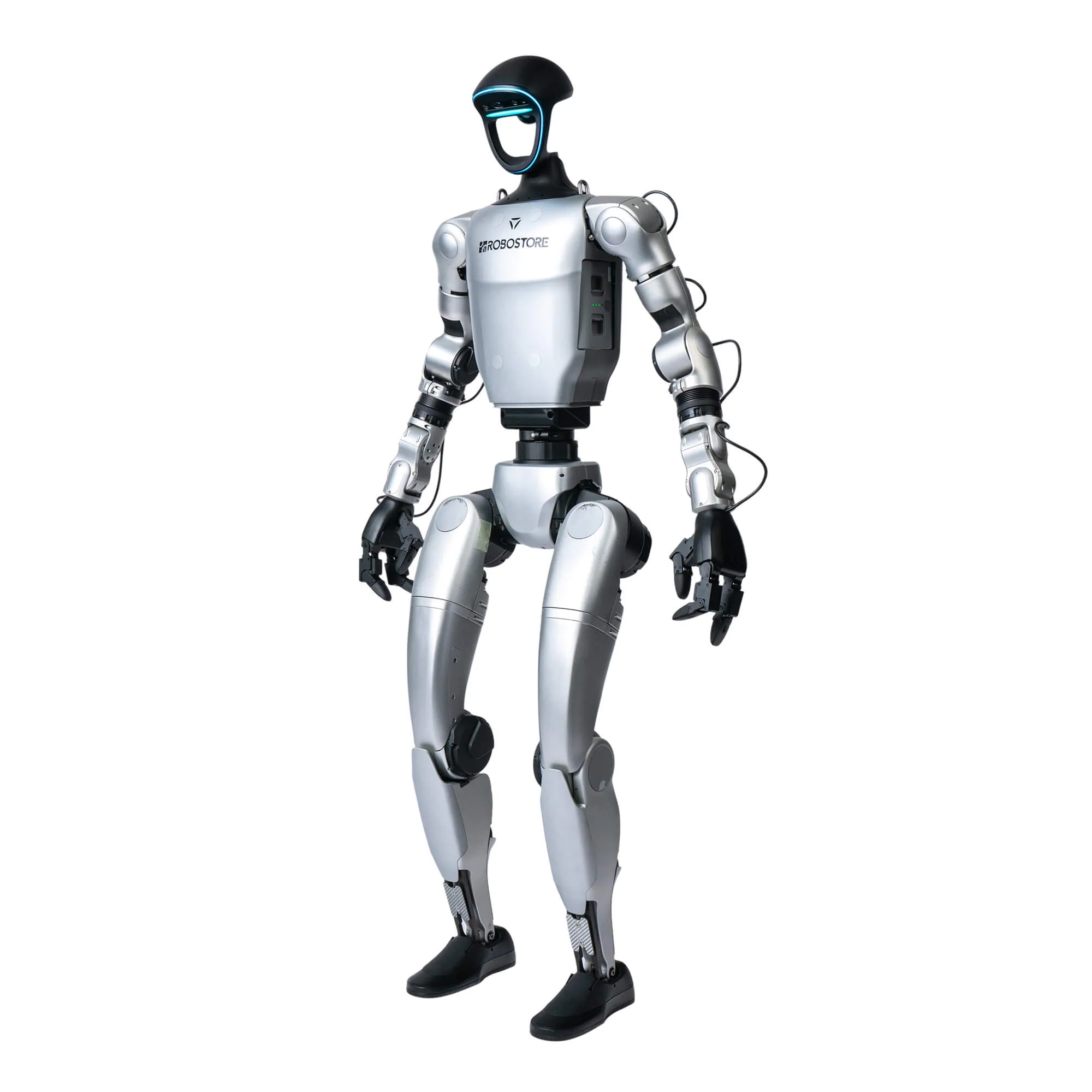
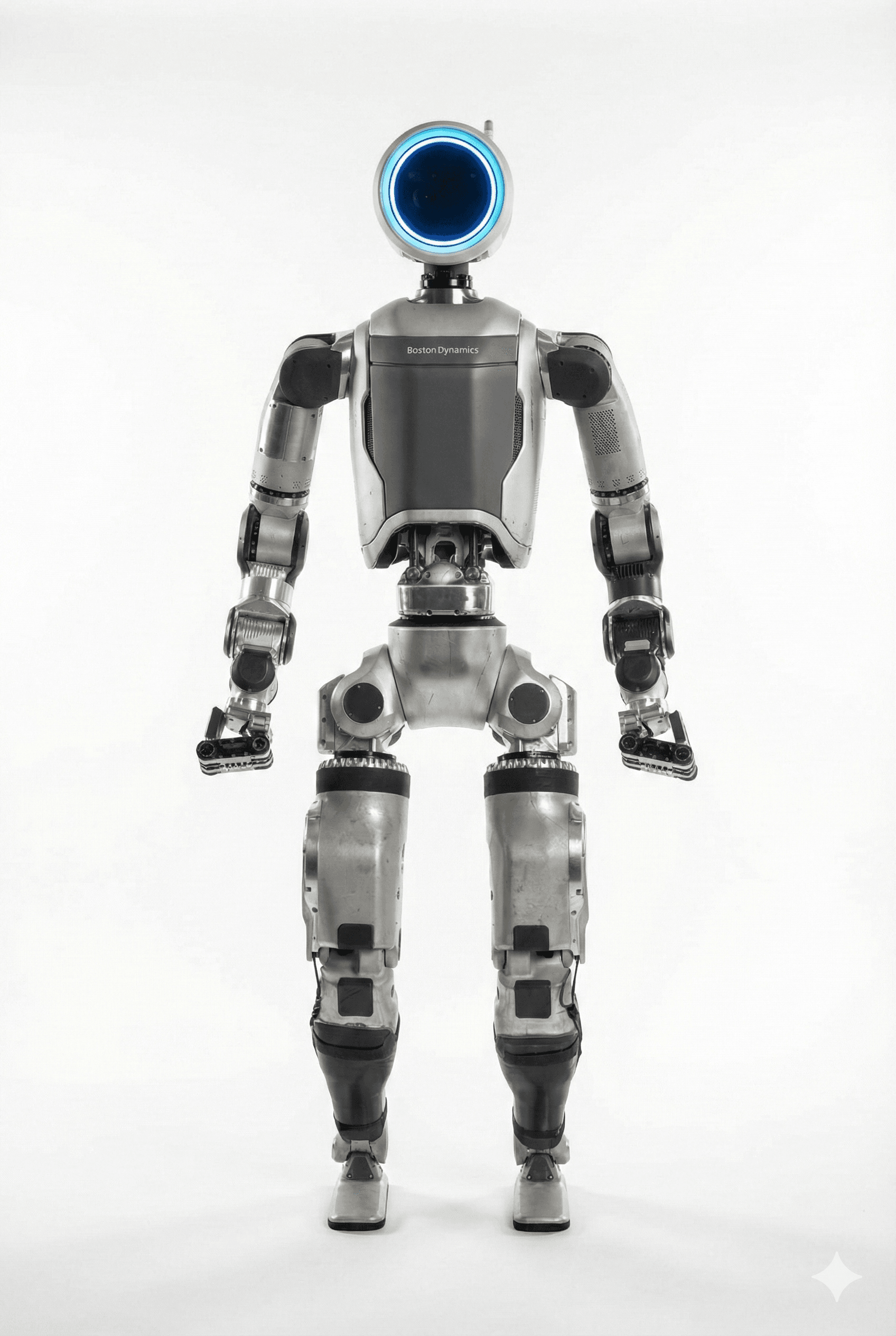
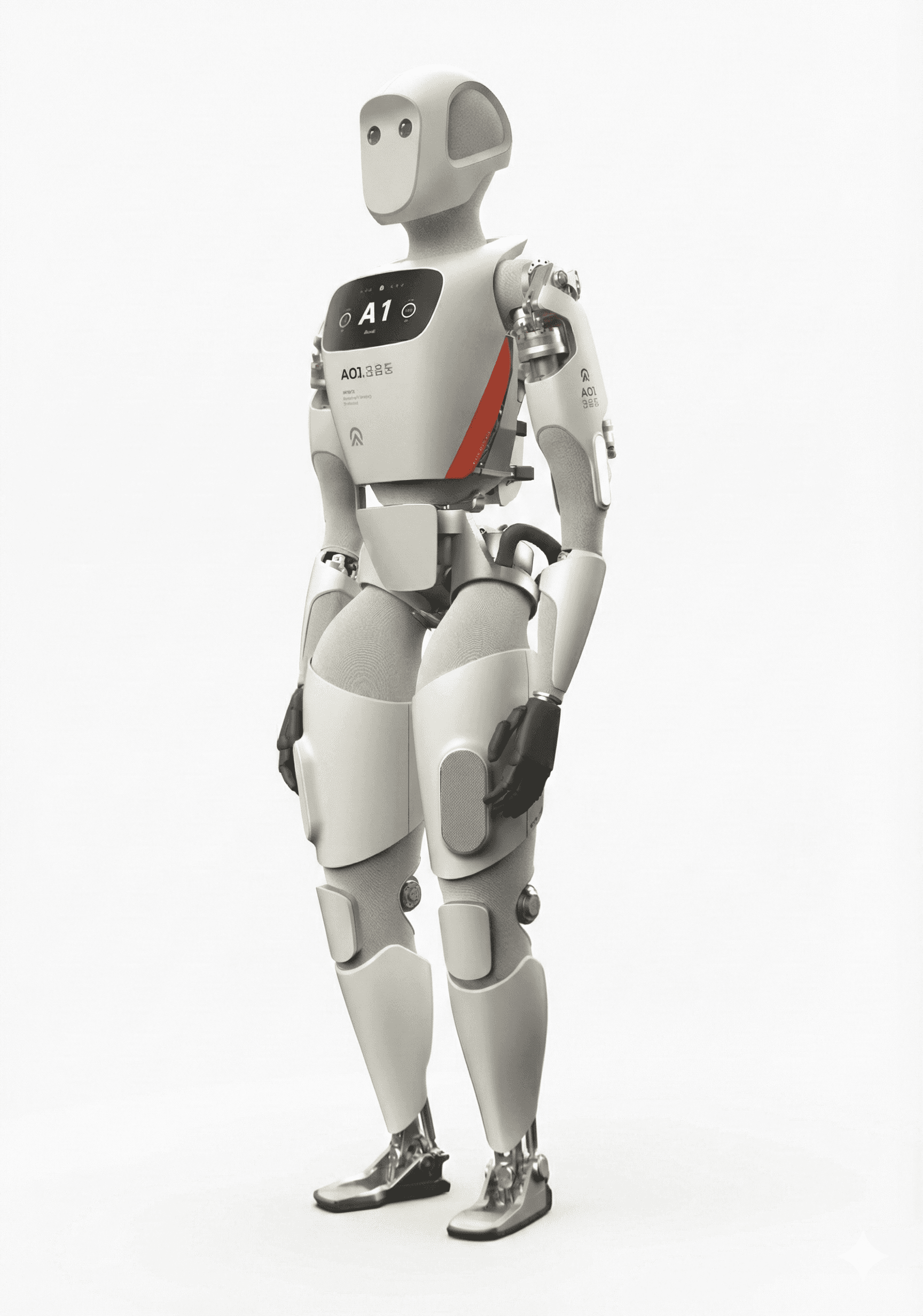
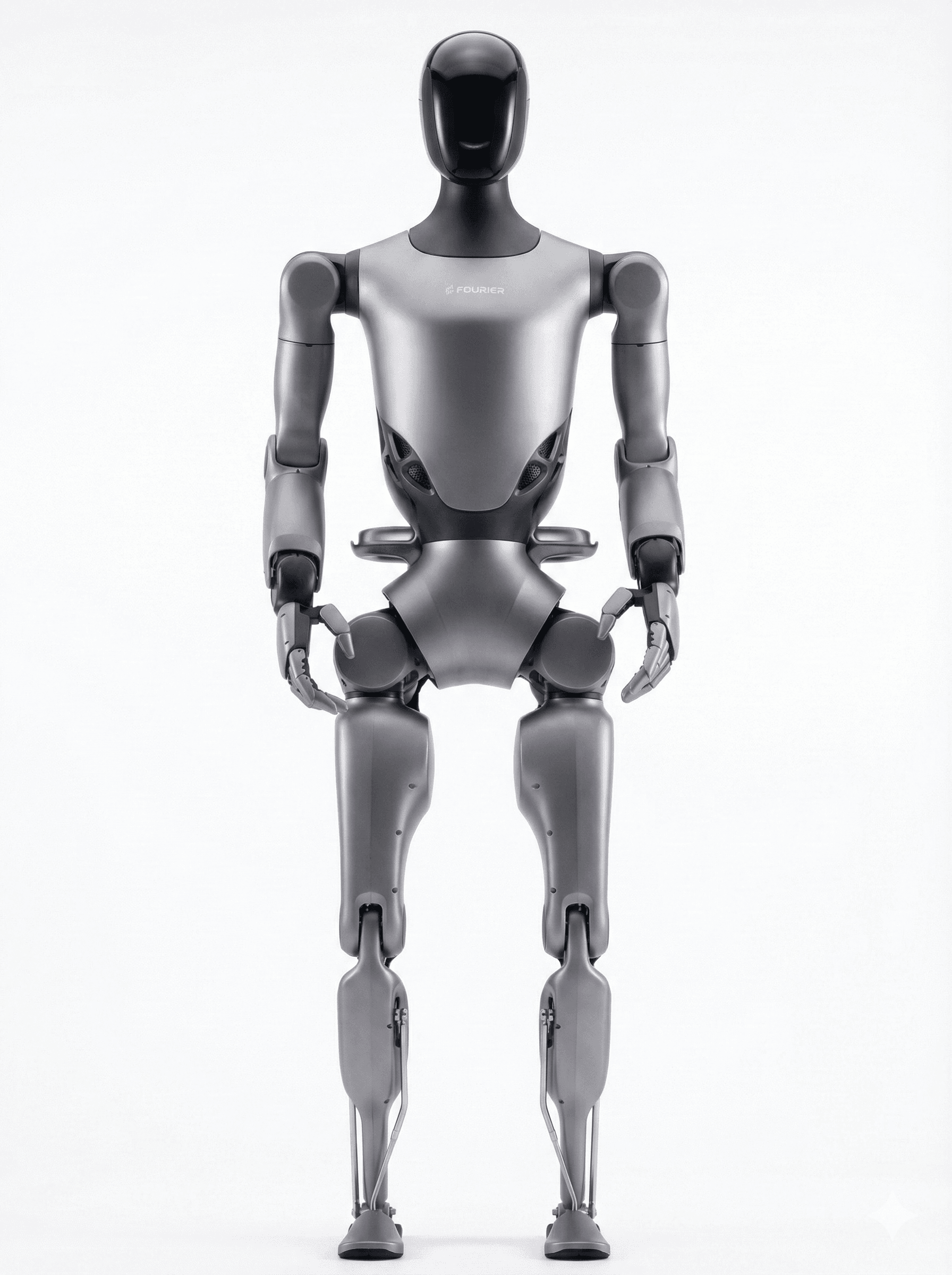
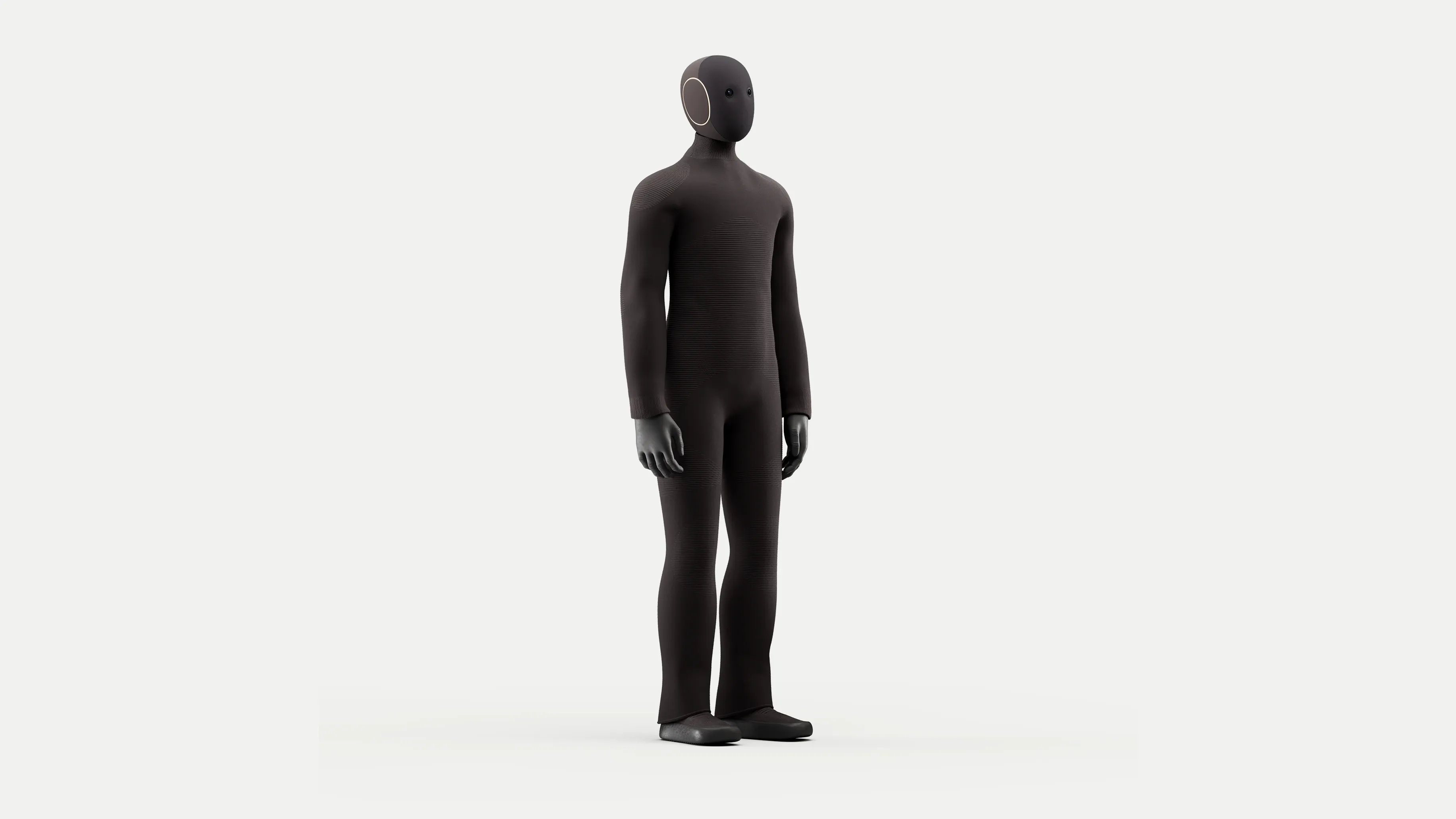
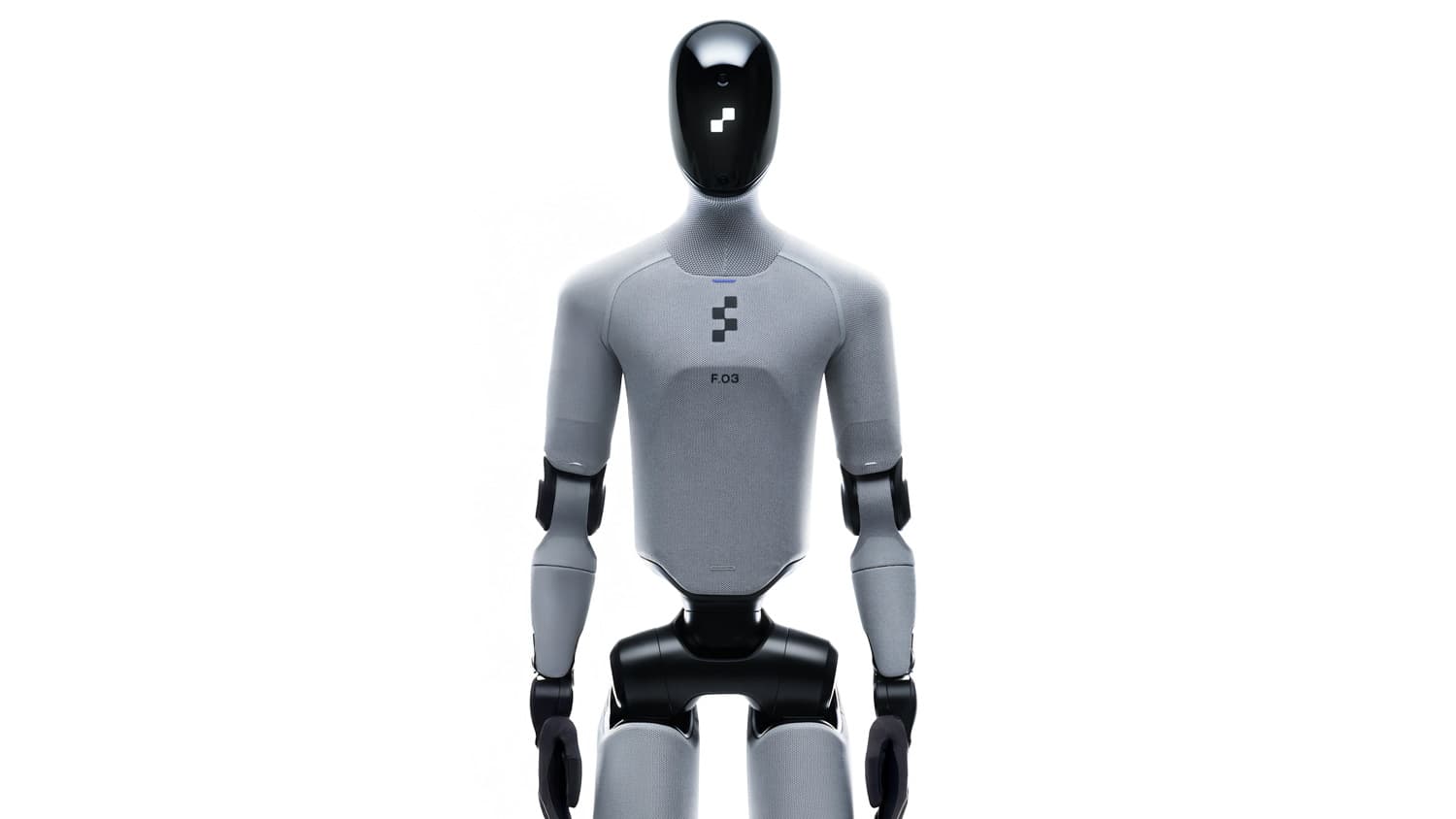
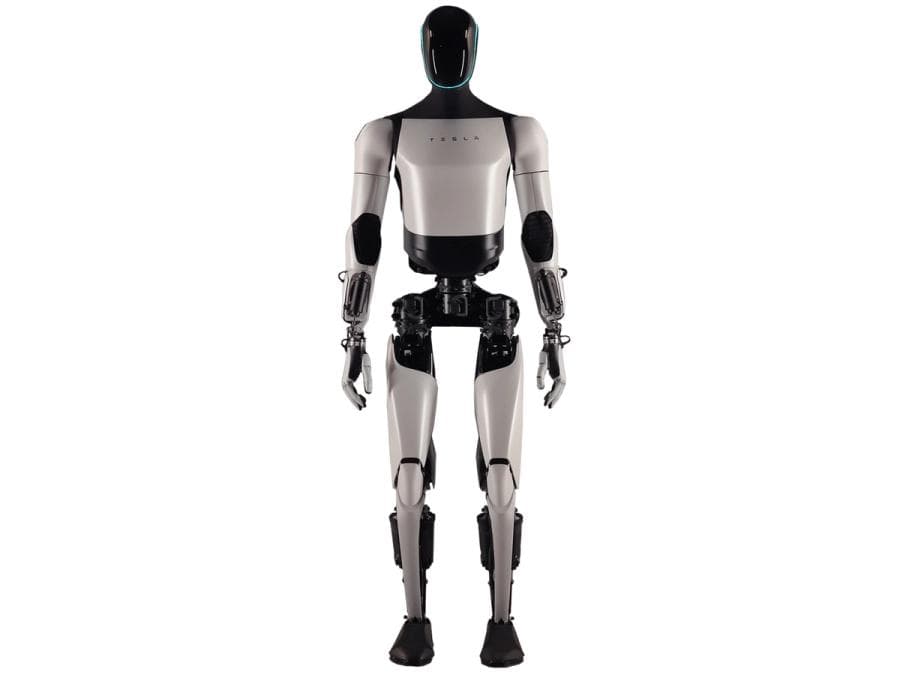
Robot form factor encompasses overall dimensions (height, width, weight), body proportions, and design aesthetics. Humanoid form factors mimic human proportions to operate in human environments, but scale varies - child-size robots (80-120cm) are less intimidating for social applications, full adult-size (160-185cm) match human workspaces. Aspect ratio affects stability - wider stance improves balance but reduces maneuverability in narrow spaces. Weight distribution and center of mass placement influence locomotion dynamics. Industrial robots may sacrifice human-like appearance for functional efficiency. Modular designs allow form factor customization. Compact folding designs enable easier transport and storage. Form factor decisions balance functionality, safety, acceptance, and cost.
Applications in Humanoid Robots
Service robot form factors are sized for human-scale interactions and doorways. Industrial humanoids are designed for existing workspace dimensions and reach requirements. Telepresence robots use compact wheeled bases topped with displays, not fully humanoid. Educational robots use approachable, non-threatening sizes and appearances. Research platforms prioritize capability over human-like form. Entertainment robots emphasize appealing aesthetics. Healthcare robots balance functionality with patient comfort. Disaster response robots may use ruggedized, non-humanoid forms optimized for harsh conditions.