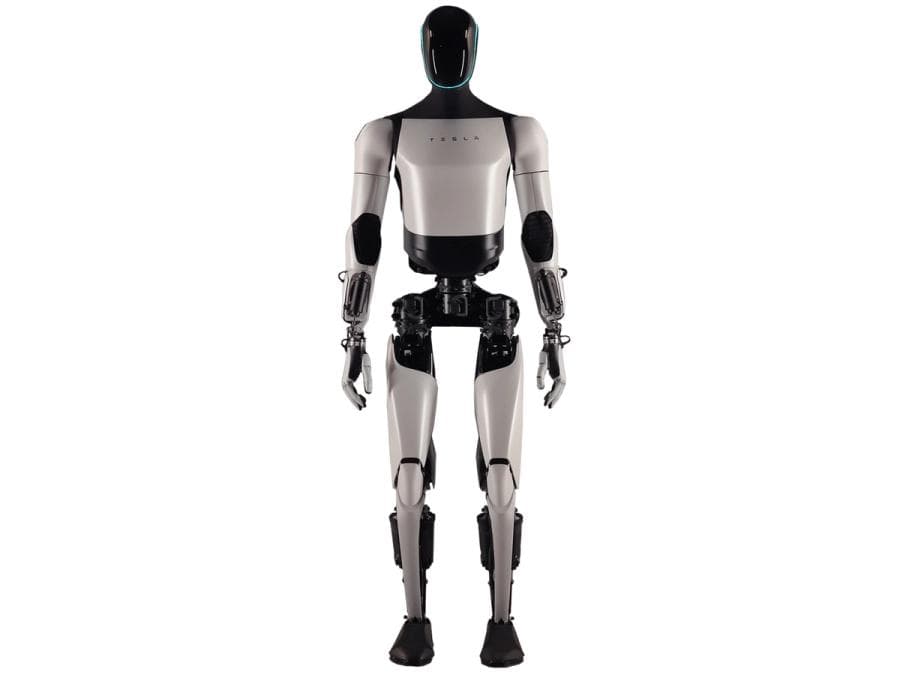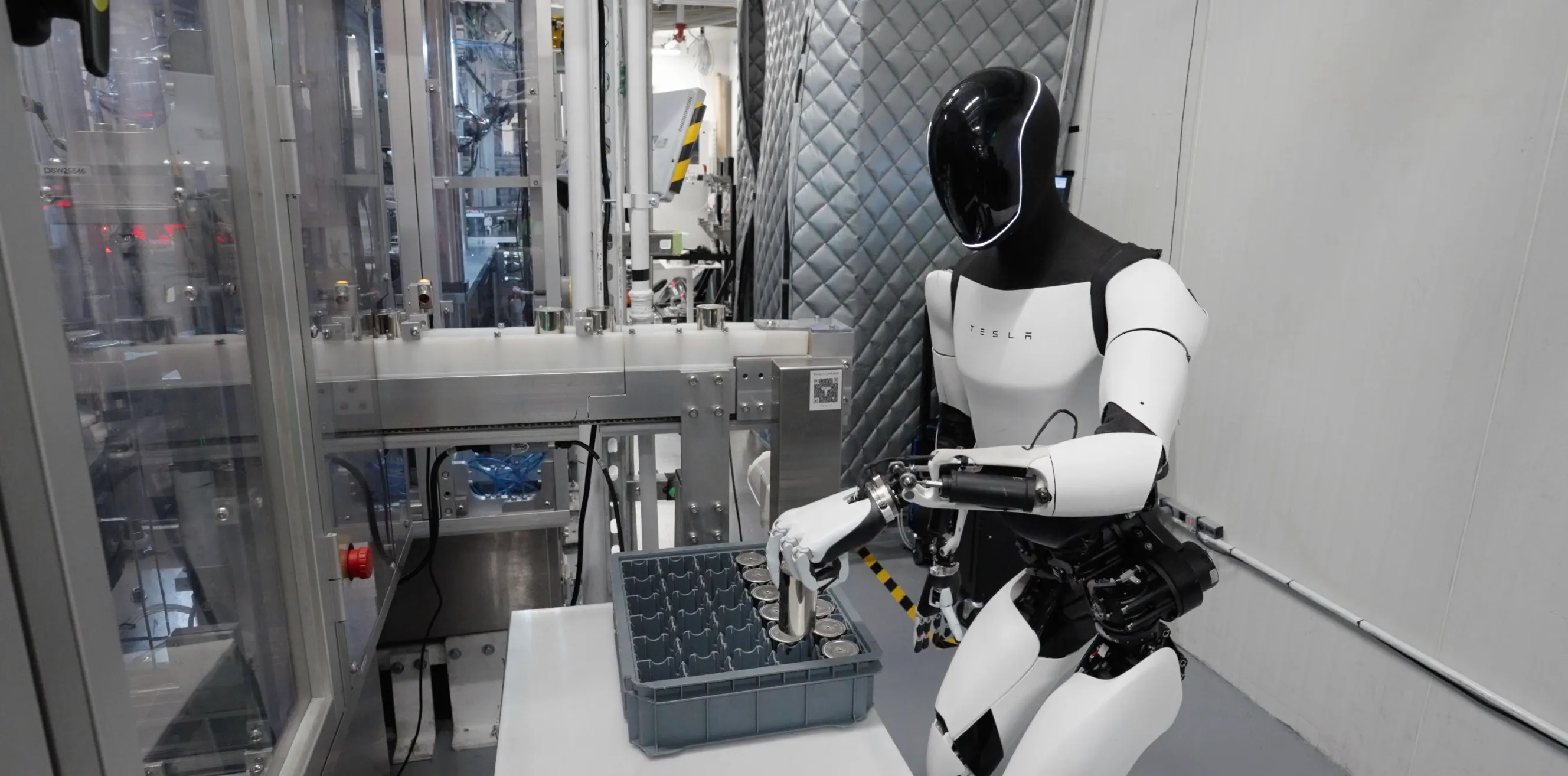
Tesla's latest iteration of its humanoid robot, Optimus Gen 2, has been making waves in the robotics community following recent factory trials at the company's Fremont facility. The trials have revealed significant improvements in dexterity and object manipulation capabilities, marking a substantial leap forward from the first generation.
Enhanced Hand Dexterity
The most striking improvement in Optimus Gen 2 lies in its hands. Engineers at Tesla have redesigned the actuators and finger mechanisms, enabling the robot to grasp and manipulate objects with unprecedented precision for a humanoid platform at this scale. During the Fremont trials, Optimus Gen 2 successfully handled delicate electronic components, demonstrating the kind of fine motor control essential for real-world manufacturing applications.
The new hand design features tactile sensors that provide real-time feedback, allowing the robot to adjust grip strength dynamically. This capability is crucial for handling objects of varying fragility—from robust metal parts to sensitive circuit boards—without causing damage.
Factory Trial Performance
Tesla's decision to test Optimus Gen 2 in an active manufacturing environment represents a pragmatic approach to development. Rather than confining trials to controlled laboratory settings, the company deployed the robots alongside human workers to assess their readiness for industrial deployment.
During the trials, Optimus Gen 2 performed a variety of tasks:
- Parts Sorting: The robot successfully identified and sorted components based on visual recognition
- Component Assembly: Demonstrated the ability to connect small parts requiring precise alignment
- Quality Inspection: Used its camera systems and computer vision capabilities to identify defects
- Material Transport: Moved parts between workstations while navigating dynamic factory floor environments
Improvements Over Gen 1
Compared to the original Optimus, Gen 2 brings several notable enhancements:
- 30% faster walking speed through improved balance algorithms and stronger leg actuators
- 11-fingered hands with individual finger control, up from the simpler gripper design
- 10kg weight reduction through optimized materials and structural design
- Enhanced vision system with higher resolution cameras and improved depth perception
These improvements address many of the limitations observed in the first generation, particularly around mobility and manipulation precision.
Path to Commercial Deployment
While Tesla has not announced a specific timeline for commercial availability, the Fremont trials suggest the company is moving methodically toward real-world deployment. The factory environment provides invaluable data on reliability, safety protocols, and human-robot collaboration—factors that will be critical when Optimus transitions from prototype to production unit.
Industry observers note that Tesla's approach mirrors strategies employed by other leading robotics companies, such as Boston Dynamics, which extensively field-tested their robots before commercial release. By identifying and addressing issues in authentic work environments, Tesla can refine both the hardware and software before scaling production.
Looking Ahead
The successful factory trials of Optimus Gen 2 represent an important milestone, but significant challenges remain. Long-term reliability, cost-effective manufacturing at scale, and seamless integration into existing workflows will all need to be demonstrated before humanoid robots become commonplace on factory floors.
Nevertheless, the progress showcased in these trials underscores the rapid advancement in humanoid robotics. As AI capabilities continue to improve and manufacturing costs decline, the vision of general-purpose humanoid robots working alongside humans moves closer to reality.
This article is based on observations and reports from Tesla's Fremont factory trials. Tesla has not officially released detailed specifications or performance metrics for the Optimus Gen 2 factory trials.