Livium
  • Discuss
HomeGlossaryAI (Artificial Intelligence)

AI (Artificial Intelligence)

What is AI (Artificial Intelligence) in Humanoid Robotics?

Computer systems that can perform tasks typically requiring human intelligence, such as visual perception, speech recognition, and decision-making.

In humanoid robots, AI enables autonomous behavior, learning from experience, natural language processing, and adaptive responses to changing environments.

How AI (Artificial Intelligence) Works

AI in humanoid robots combines multiple technologies working together. Machine learning models process sensor data (cameras, microphones, touch sensors) to understand the environment. Neural networks trained on vast datasets enable object recognition, speech understanding, and decision-making. The AI system runs on onboard computers or connects to cloud servers for processing-intensive tasks. Reinforcement learning allows robots to improve through trial and error - for example, learning to walk more efficiently by testing different gaits. Large language models (LLMs) power natural conversation abilities, while computer vision AI interprets visual scenes in real-time.

Types of AI (Artificial Intelligence)

  • Narrow AI: Specialized for specific tasks like facial recognition or voice commands - most current humanoid robots use this
  • General AI: Theoretical AI that can perform any intellectual task a human can - still under development
  • Machine Learning: Systems that improve through experience and data
  • Deep Learning: Neural networks with many layers, excellent for pattern recognition
Featured Humanoids

Discover the latest humanoid robots shaping the future

View All Humanoids
G1 Humanoid Robot Unitree Livium 7_e6mvjc

Unitree G1

Unitree

CN
Shipping$13,500
Livium

© 2026 Livium Inc. All rights reserved.

Privacy·Terms
HumanoidsCompaniesNewsDiscussGlossaryAboutNewsletterContact
  • Reinforcement Learning: AI that learns optimal behaviors through rewards and penalties
  • Generative AI: Creates new content like speech or movement patterns based on training
  • Applications in Humanoid Robots

    Humanoid robots use AI for navigation and obstacle avoidance in dynamic environments. Conversational AI enables natural language interaction with humans, understanding context and intent. Computer vision AI recognizes objects, reads text, and interprets gestures. Motion planning AI calculates efficient, safe movements in real-time. Predictive AI anticipates human needs in service scenarios. Learning AI adapts to new tasks without explicit reprogramming, crucial for general-purpose robots.

    Example Humanoid Robots

    Tesla Optimus uses AI trained on human demonstration videos to learn manipulation tasks. Figure 02 integrates OpenAI models for natural language understanding and task planning. Ameca features advanced conversational AI with realistic facial expressions. Sanctuary AI Phoenix employs AI for general-purpose task learning in warehouse environments.

    Related Terms

    AutonomousComputer VisionMachine LearningNatural Language Processing (NLP)
    ← Back to Glossary
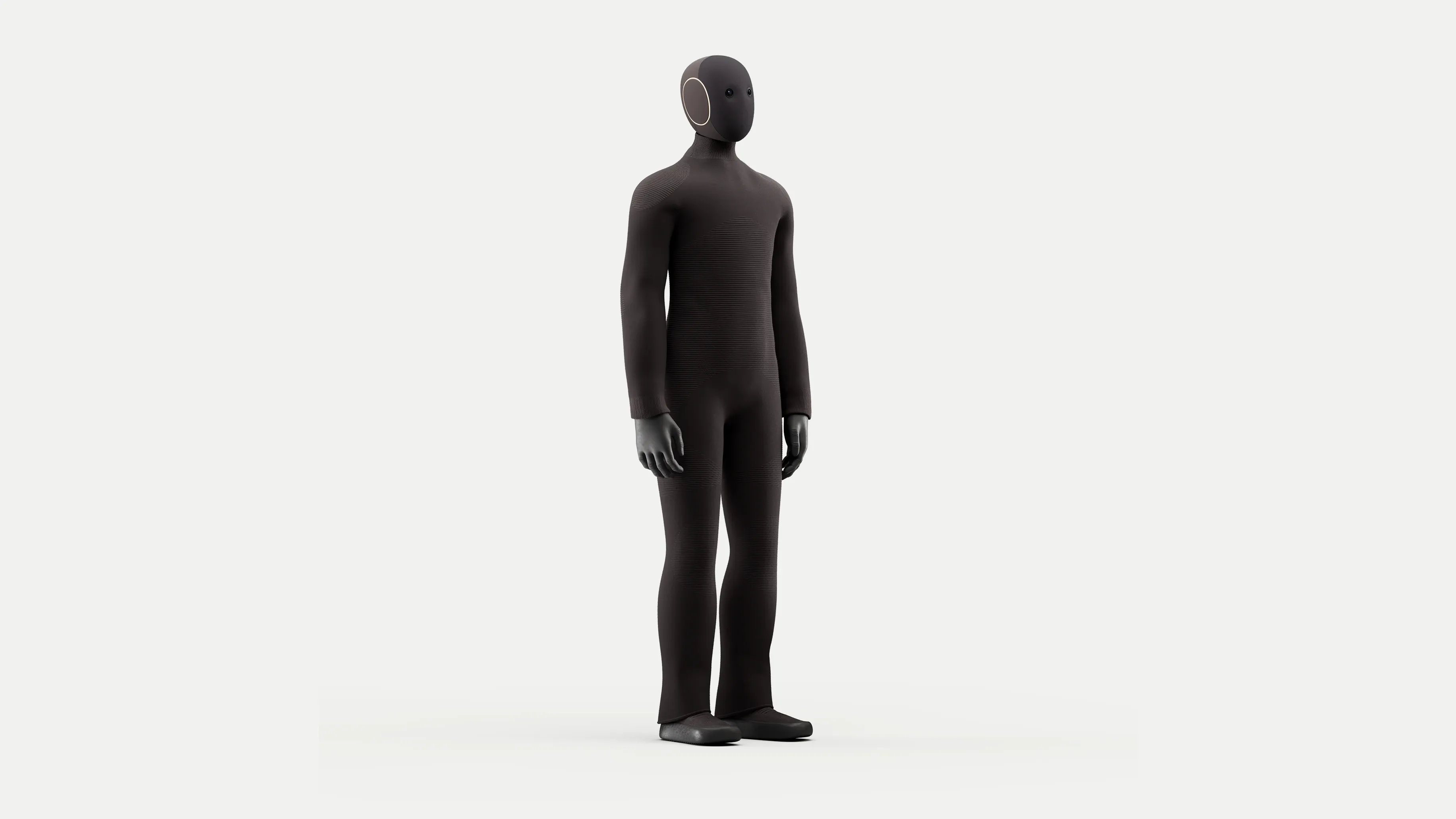
    1x Neo Livium 6

    NEO

    1X

    US
    pre-order$20,000
    Iron Humanoid Robot Xpeng Livium_febz7s

    IRON

    XPENG

    CN
    in_development$40,000
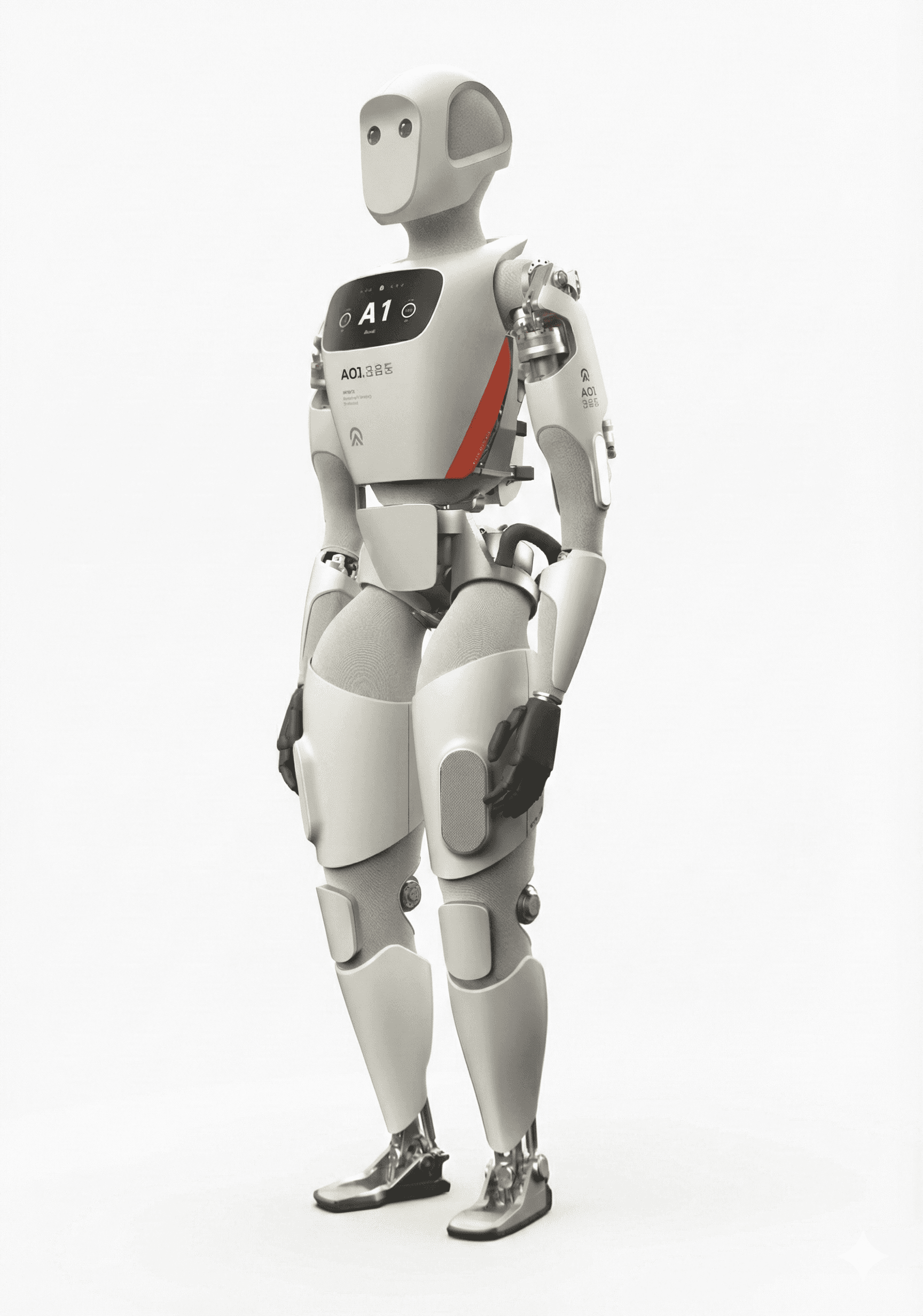
    Apollo Humanoid Robot Apptronik Livium 9 Profile_ljuqec

    Apollo

    Apptronik

    US
    Pre-orderContact Sales
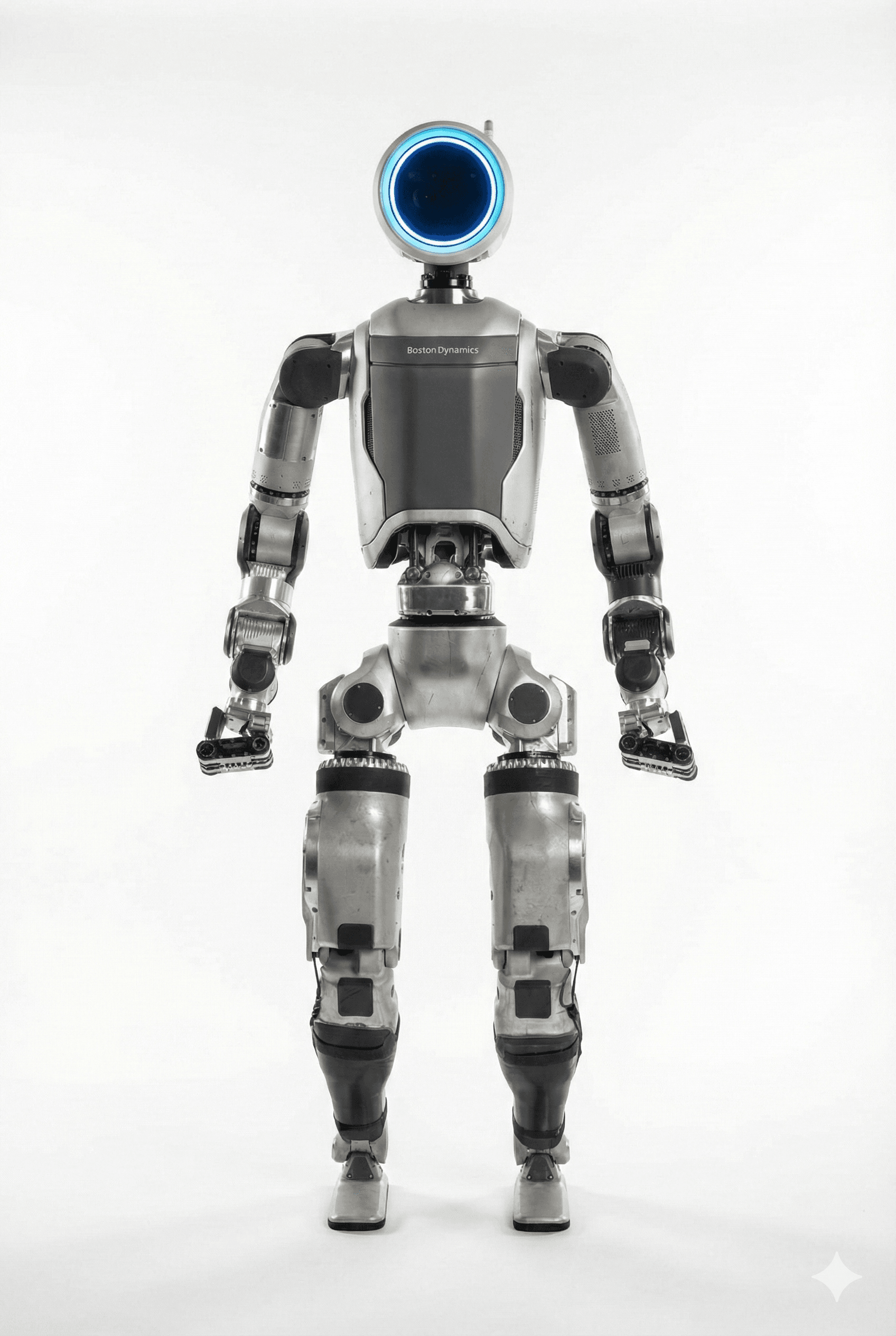
    Boston Dynamics Humanoid Robot Atlas Livium_bh3sgw

    Atlas

    Boston Dynamics

    US
    ResearchContact Sales
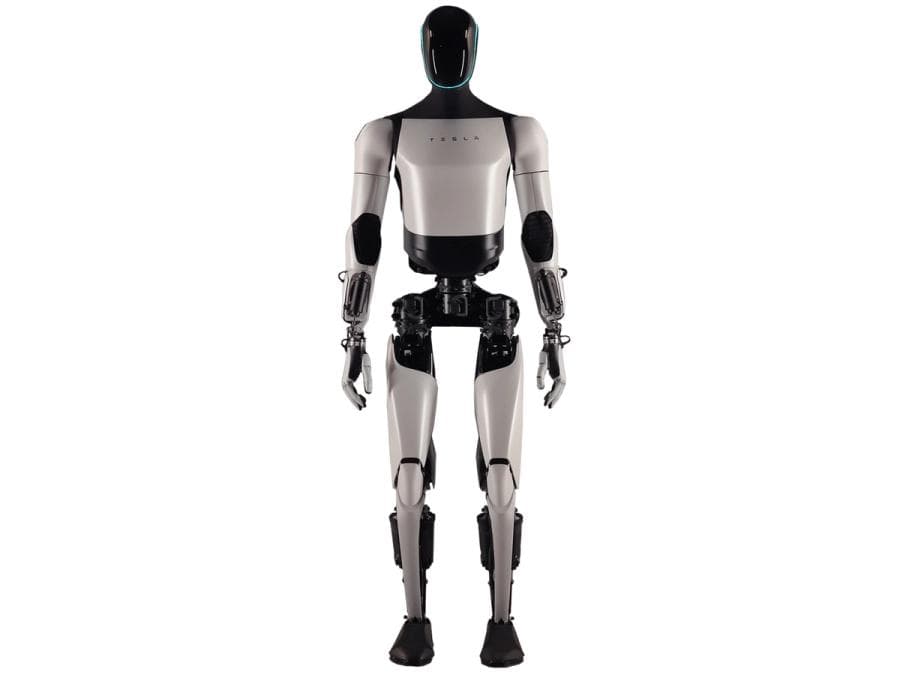
    Tesla Optimus Gen 2 humanoid robot

    Optimus Gen 2

    Tesla

    US
    prototypeContact Sales
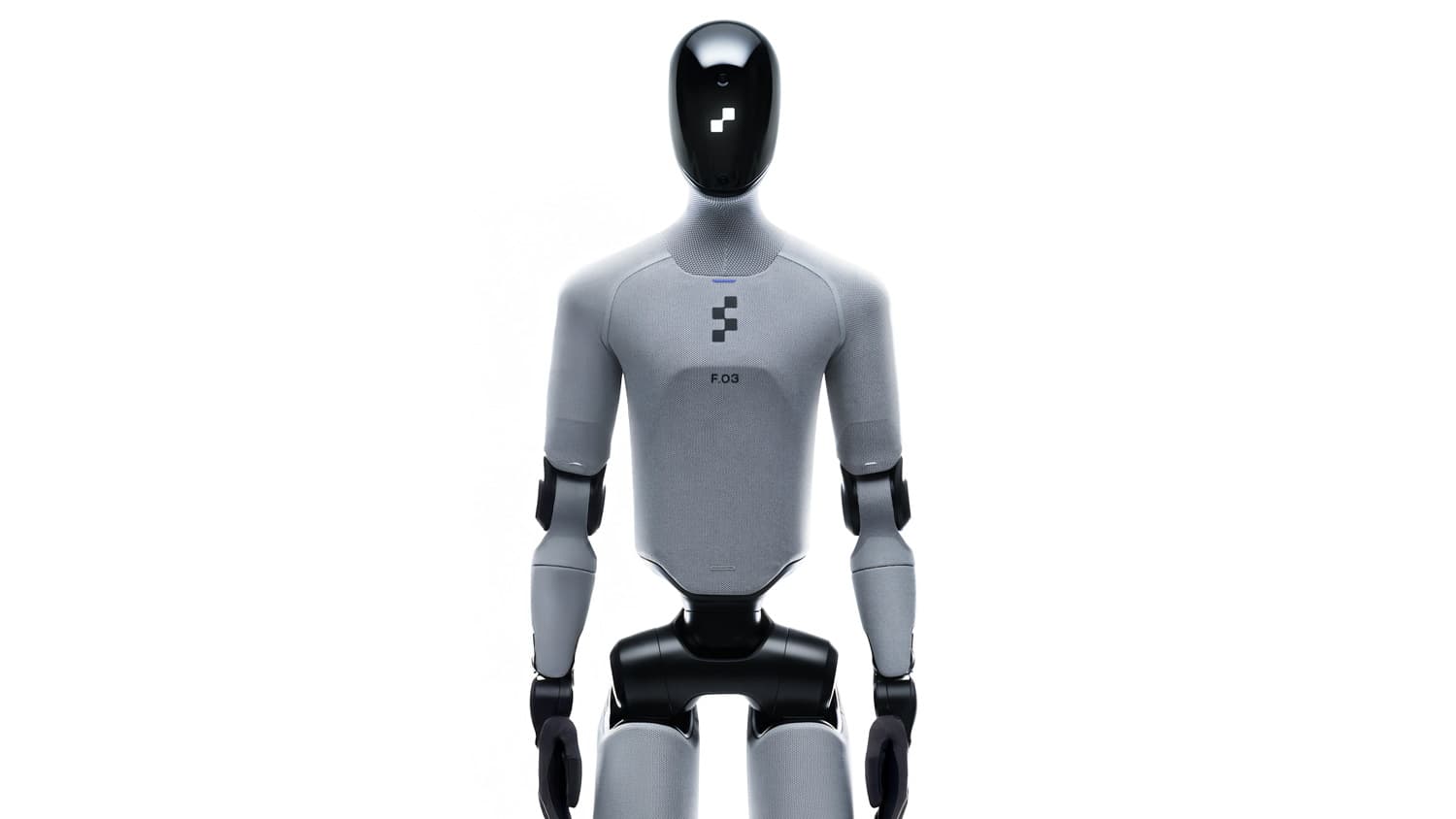
    Figure 03 humanoid robot in a neutral standing pose

    Figure 03

    Figure

    US
    PrototypeContact Sales
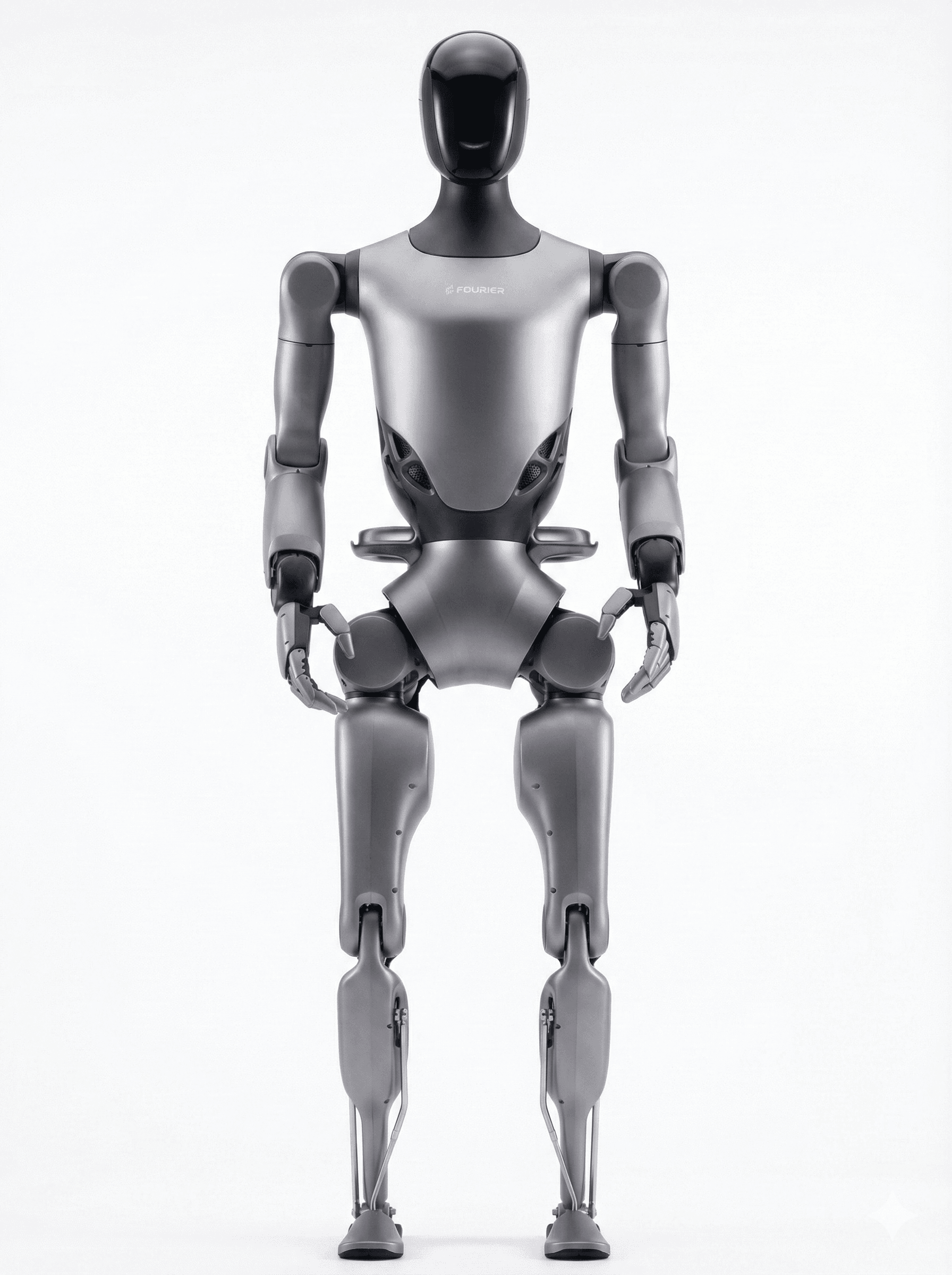
    Gr 2 Humanoid Robot Fourier Intelligence Livium Profile_um7nei

    GR-2

    Fourier

    CN
    Shipping (limited)Contact Sales
    View All Humanoids