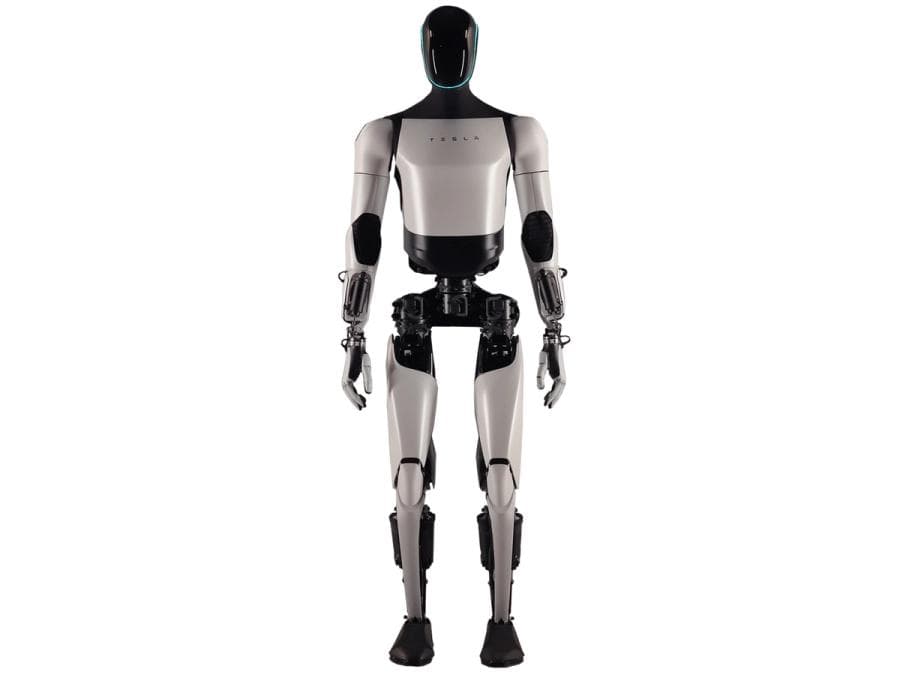
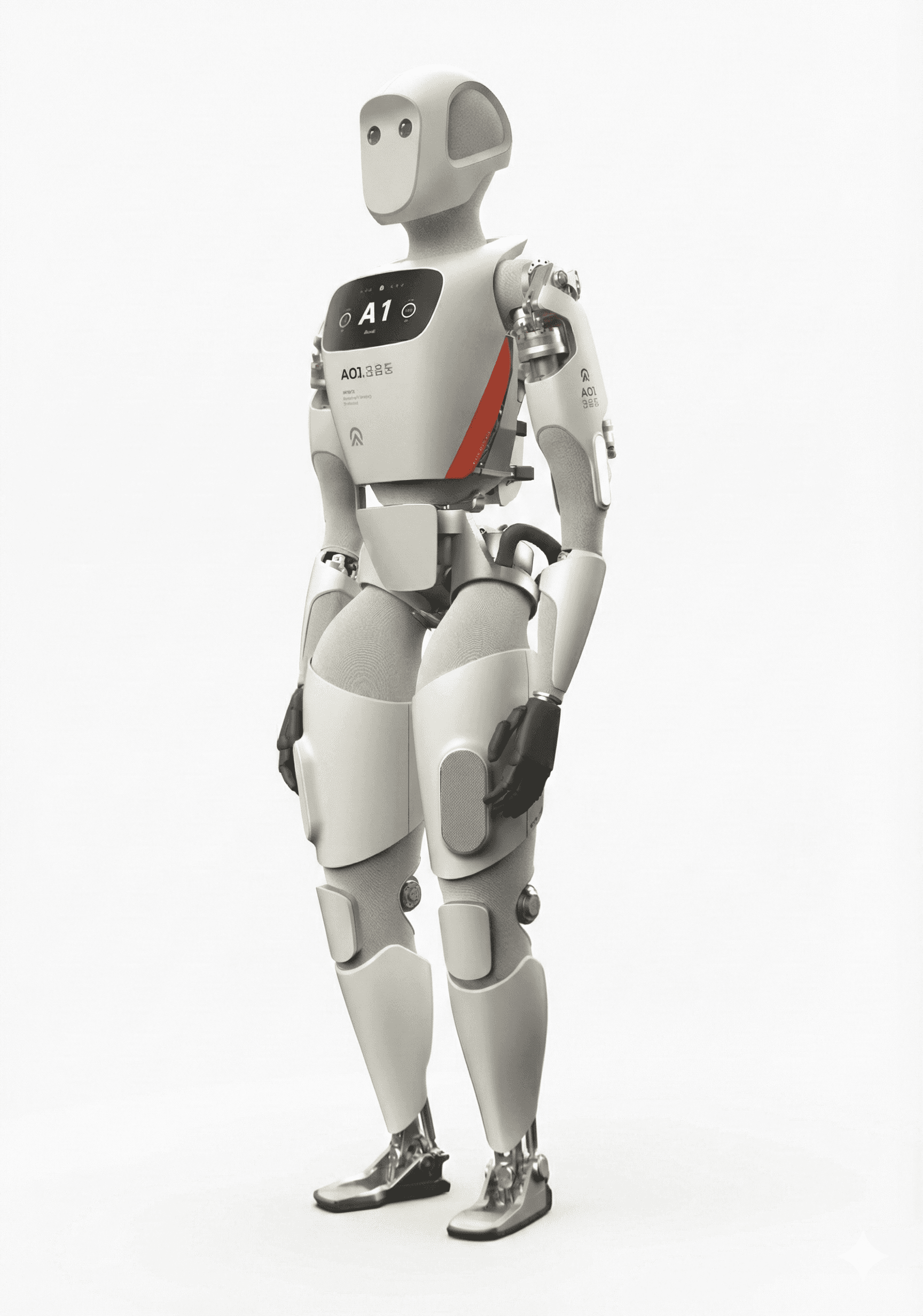
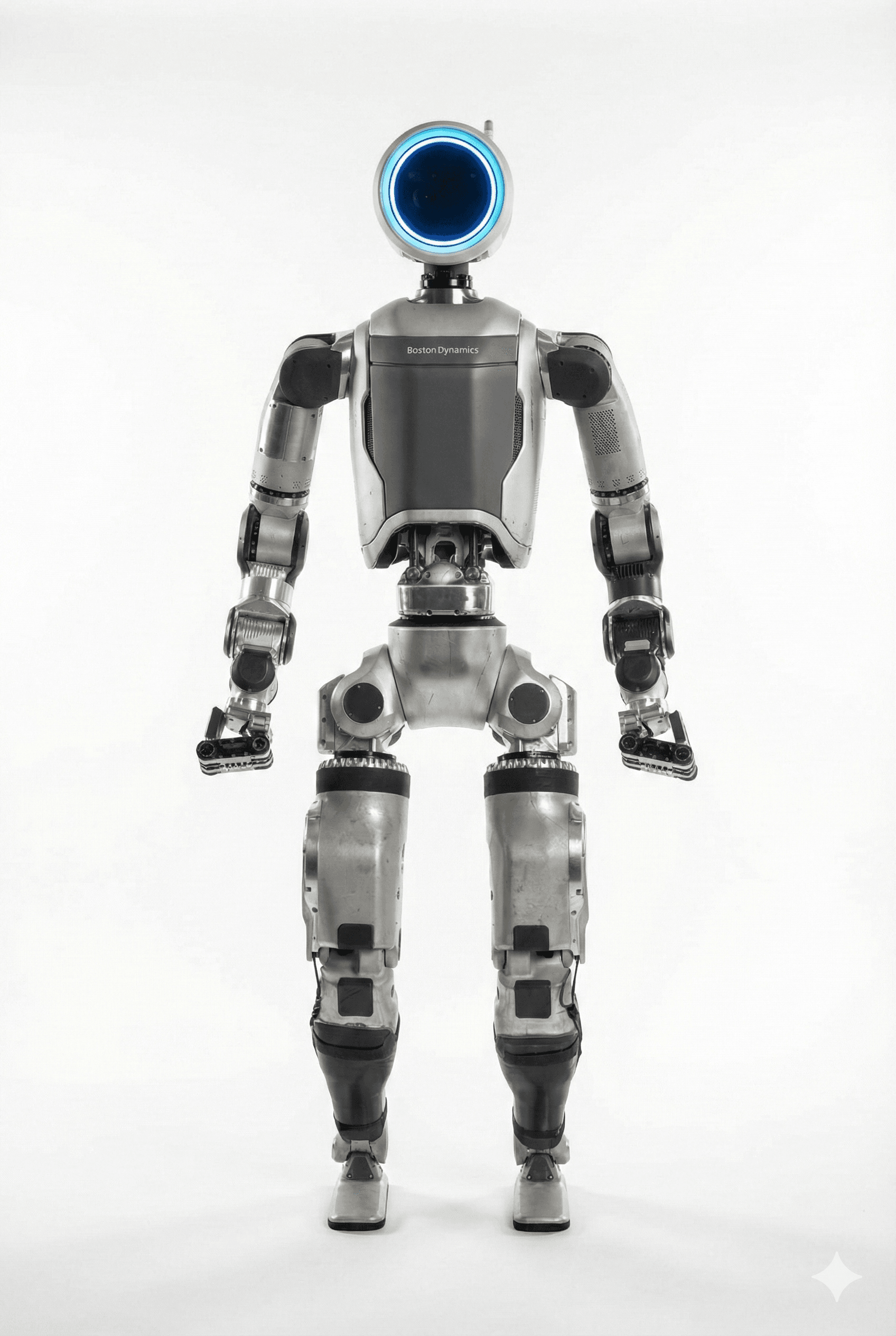
Computer Vision
What is Computer Vision in Humanoid Robotics?
Technology that enables robots to derive meaningful information from digital images or videos.
Computer vision allows humanoid robots to identify objects, navigate spaces, recognize faces, read text, and understand their visual environment in real-time.
How Computer Vision Works
Computer vision systems in humanoid robots start by capturing images through cameras (often stereo pairs for depth perception). The raw pixel data is processed through multiple stages: pre-processing cleans and enhances images, feature detection identifies edges and key points, and pattern recognition algorithms classify objects. Modern systems use convolutional neural networks (CNNs) trained on millions of labeled images to recognize objects, faces, gestures, and text. Depth cameras or stereo vision calculate 3D positions of detected objects. The processed visual information feeds into the robot's decision-making system, enabling it to navigate, manipulate objects, and interact with humans appropriately.
Types of Computer Vision
- Object Detection: Identifying and locating specific items in a scene - essential for manipulation tasks
- Semantic Segmentation: Labeling every pixel in an image by category (floor, wall, person, obstacle)
- Facial Recognition: Identifying and tracking individual human faces for personalized interaction
- Optical Character Recognition (OCR): Reading text from signs, labels, and documents
- Depth Perception: Calculating 3D distances using stereo cameras or structured light
- Motion Tracking: Following moving objects or people through video frames
Applications in Humanoid Robots
Humanoid robots use computer vision for autonomous navigation, detecting obstacles, stairs, and doorways. In manipulation tasks, vision guides hand positioning to grasp objects accurately. Service robots recognize products in warehouses or items in homes. Healthcare robots use vision to monitor patient movements and detect falls. Social robots employ facial recognition and expression analysis for natural human interaction. Industrial robots use vision for quality inspection and precise assembly work.