End Effector
What is End Effector in Humanoid Robotics?
The device at the end of a robotic arm designed to interact with the environment.
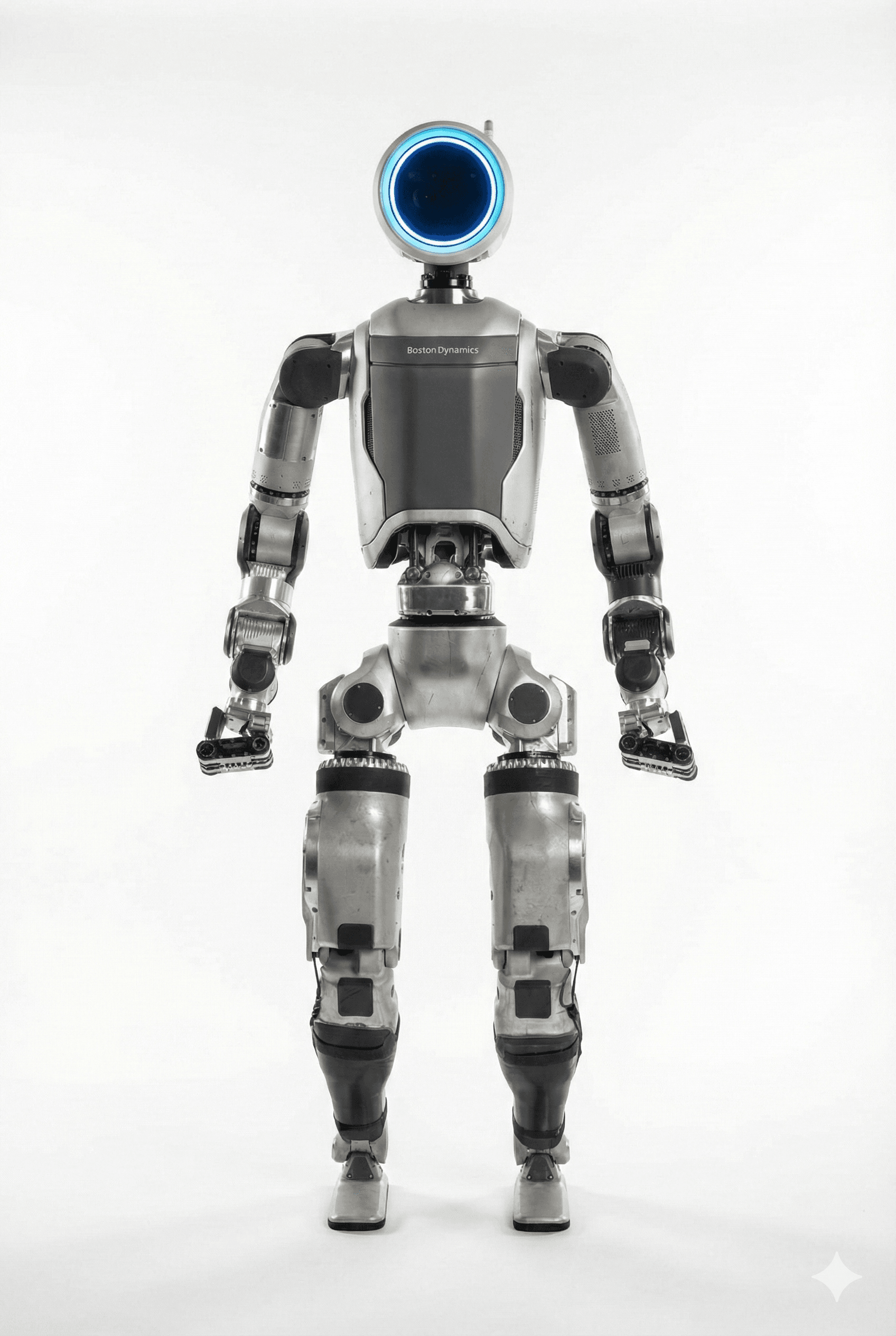
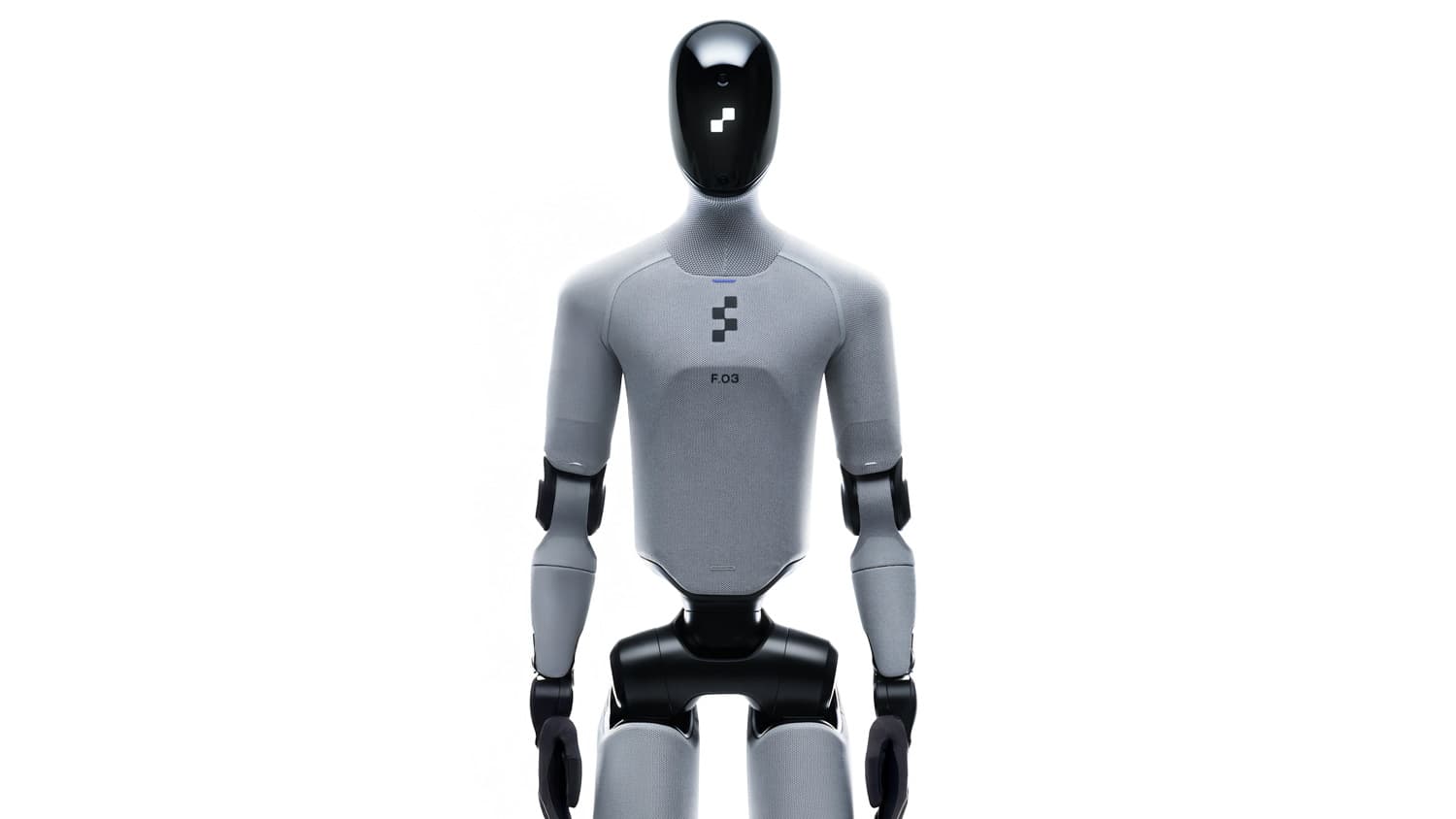
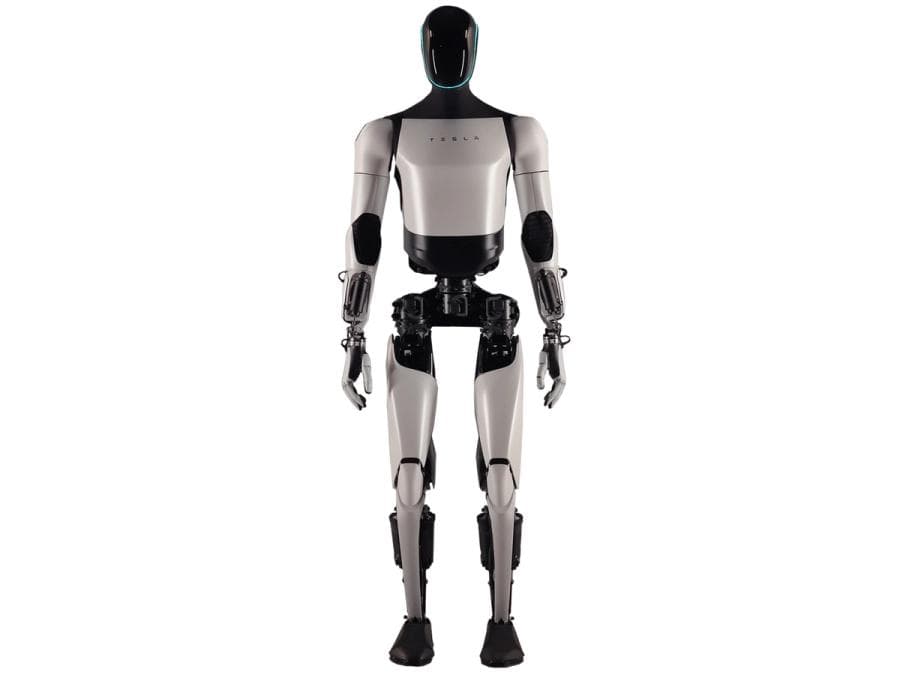
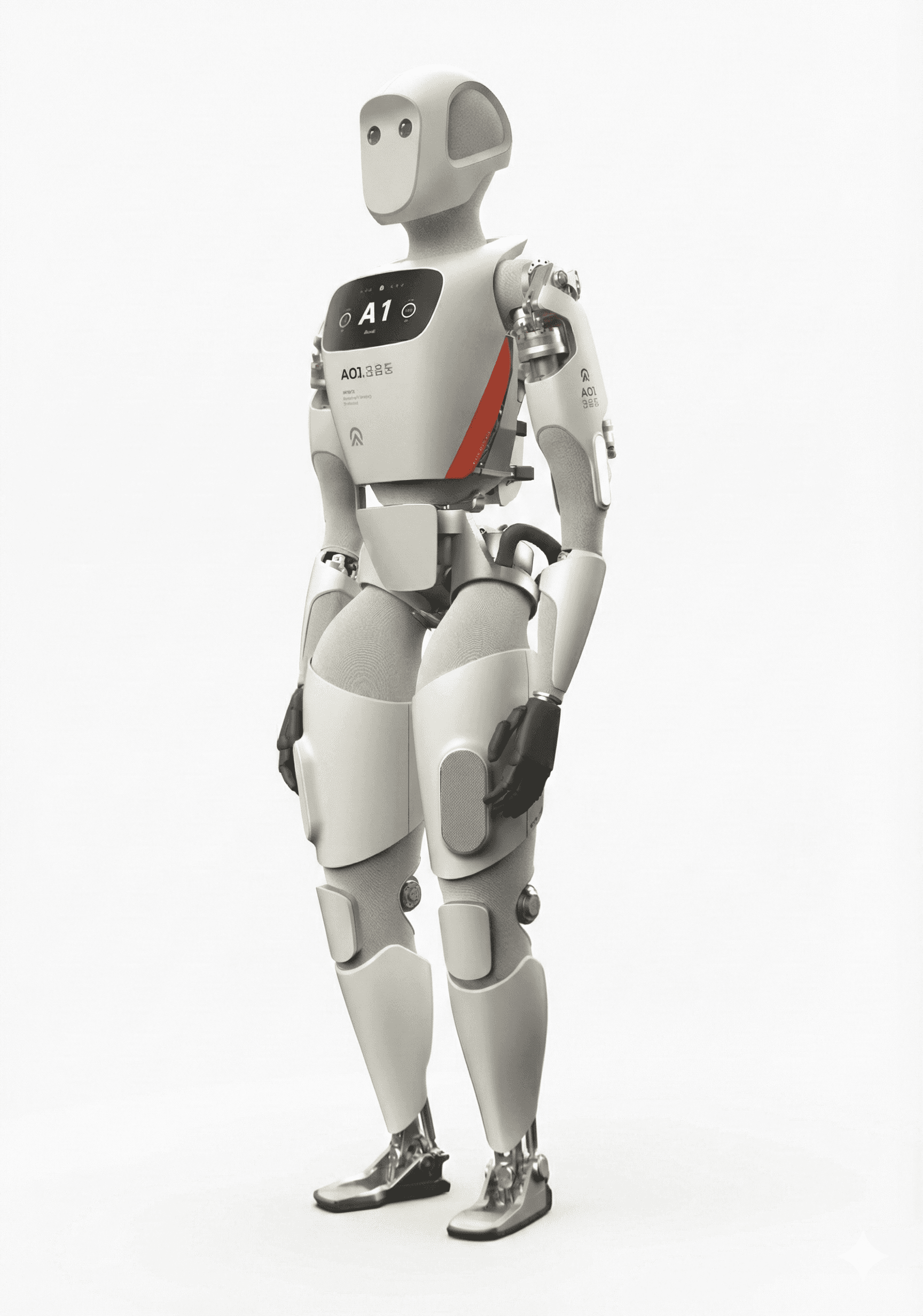
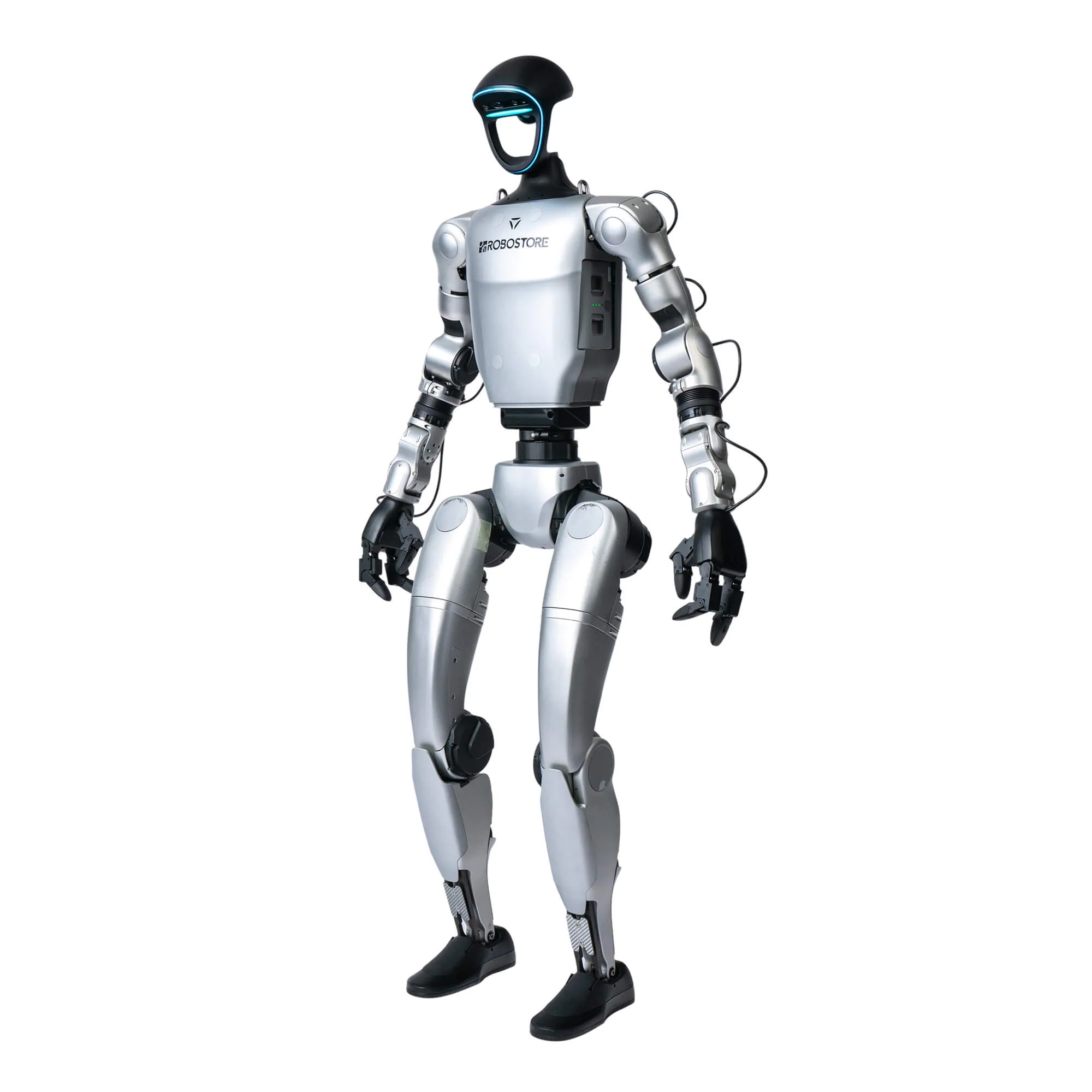
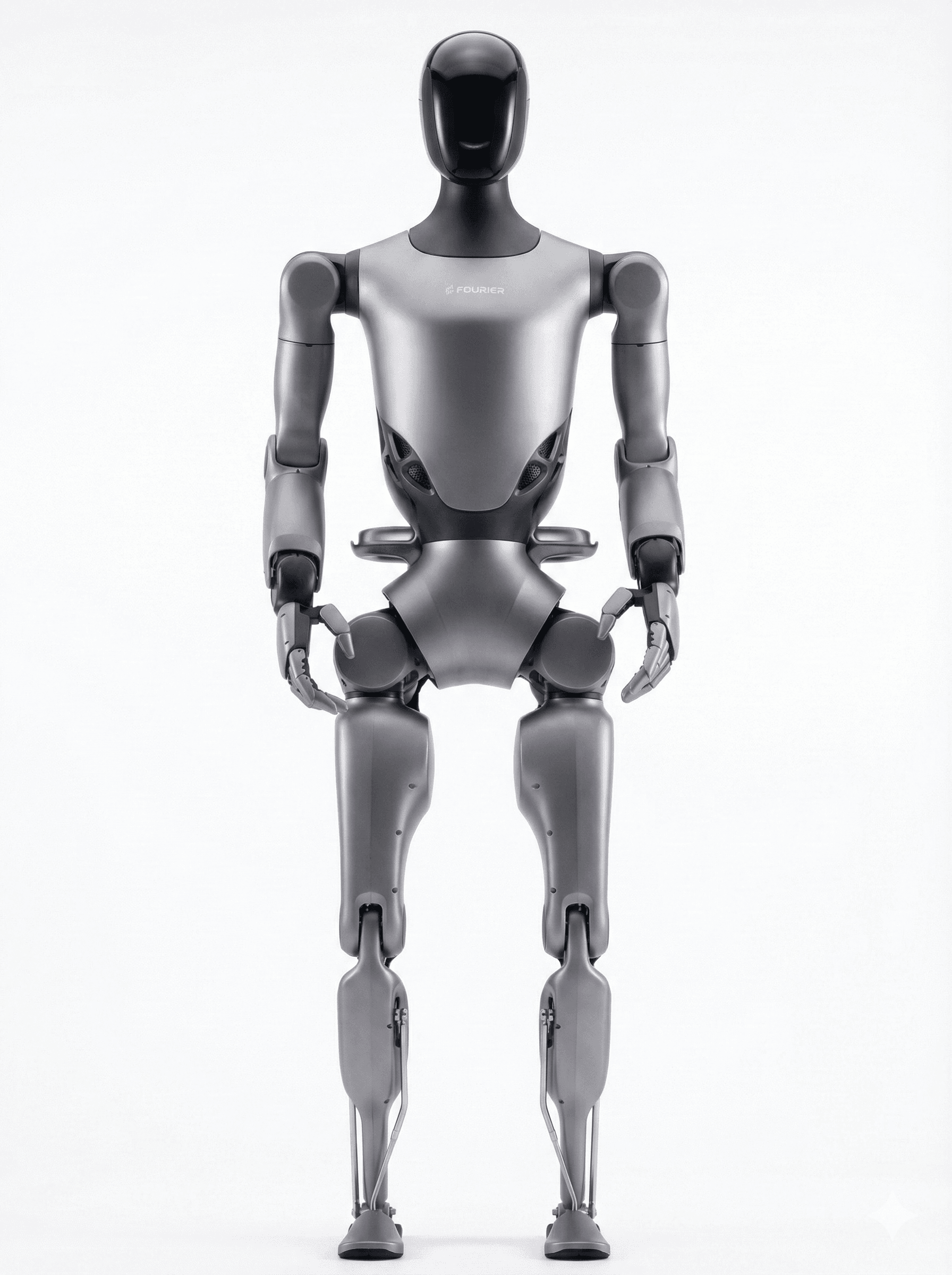
End effectors include grippers, hands, tools, or sensors. In humanoid robots, these are often multi-fingered hands capable of complex manipulation tasks.
How End Effector Works
End effectors attach to the robot's wrist or arm terminus and serve as the interface between the robot and objects in its environment. They receive control signals from the robot's control system specifying desired actions - open/close for grippers, apply specific force, or activate tools. Sensors in the end effector provide feedback about contact, force, and object properties. For a humanoid hand, each finger contains multiple actuators and sensors. The control system coordinates all these components, using tactile feedback to adjust grip force, preventing crushing fragile objects while maintaining secure hold on heavy items. Position sensors ensure precise finger placement for complex manipulation tasks.
Types of End Effector
- Parallel Grippers: Two or three fingers that move together, simple and reliable for grasping boxes and regular objects
- Multi-Fingered Hands: Humanoid hands with 4-5 fingers, each with multiple joints, enabling complex manipulation
- Suction Grippers: Use vacuum to pick up flat objects like boxes or panels
- Magnetic Grippers: For handling ferrous materials in industrial settings
- Tool Changers: Allow robots to swap between different end effectors for multi-purpose tasks
- Soft Grippers: Compliant materials that conform to object shapes, gentle but secure
Applications in Humanoid Robots
Humanoid robots use end effectors for picking and placing objects in warehouses and factories. Multi-fingered hands enable tool use - operating power drills, turning valves, or using keyboards. In healthcare, gentle grippers handle medical equipment and assist patients. Service robots use dexterous hands to prepare food, fold laundry, or arrange items. Research applications explore fine manipulation like tying knots or assembling small electronics. Industrial humanoid robots use interchangeable end effectors for welding, painting, and material handling.