Gyroscope
What is Gyroscope in Humanoid Robotics?
A sensor that measures angular velocity and orientation.
Gyroscopes help humanoid robots maintain balance by detecting tilting or rotation, allowing the control system to make rapid corrections.
How Gyroscope Works
A gyroscope contains a spinning mass or uses optical/MEMS (micro-electromechanical systems) technology to detect rotational motion. When the robot rotates, the gyroscope experiences forces proportional to the angular velocity. In MEMS gyroscopes (most common in humanoid robots), tiny vibrating structures shift position when rotated, creating measurable changes in capacitance or piezoelectric signals. The sensor outputs angular velocity data - how fast the robot is rotating around each of three axes (pitch, roll, yaw). This data is integrated over time to estimate orientation and fed to the balance controller, which commands corrective movements within milliseconds to prevent falling.
Types of Gyroscope
- MEMS Gyroscopes: Tiny chip-based sensors, low cost and weight, sufficient accuracy for most humanoid robots
- Fiber Optic Gyroscopes (FOG): High precision using light interference, more expensive, used in advanced applications
- Ring Laser Gyroscopes: Extremely accurate, mainly in aerospace, rarely in humanoid robots. 3-Axis Gyroscopes: Measure rotation around all three perpendicular axes simultaneously
- Rate Gyroscopes: Measure angular velocity
- Integrating Gyroscopes: Directly measure angular position
Applications in Humanoid Robots
Gyroscopes are critical for bipedal balance control, detecting tilting before it becomes visible in other sensors. During walking, gyroscopes help maintain upright posture and smooth gait. When pushed or disturbed, gyroscope data triggers immediate corrective responses. In manipulation tasks, gyroscopes help maintain stable torso orientation while arms move. Navigation systems combine gyroscope data with other sensors for accurate position tracking. Head-mounted gyroscopes enable smooth camera stabilization for computer vision.
Example Humanoid Robots
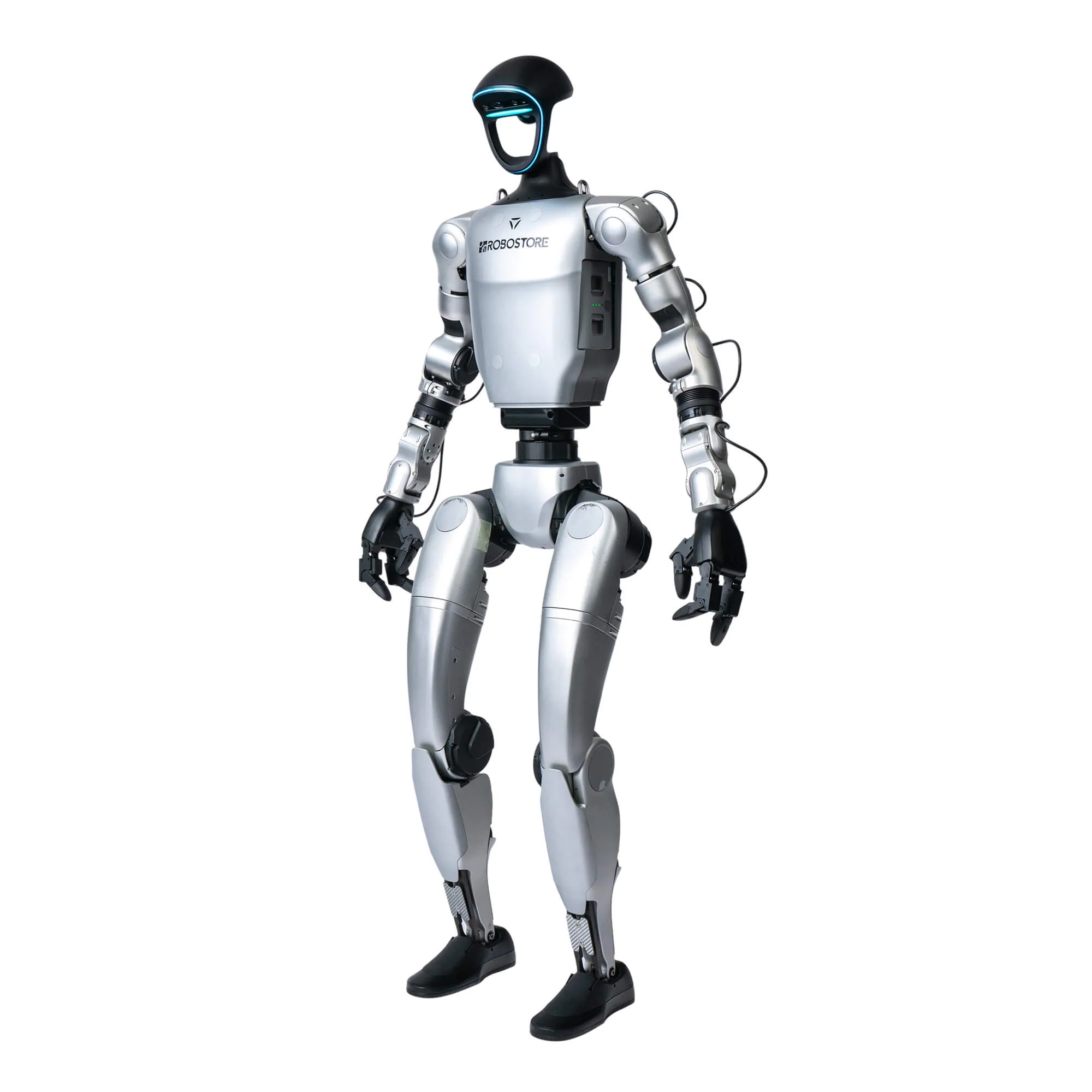
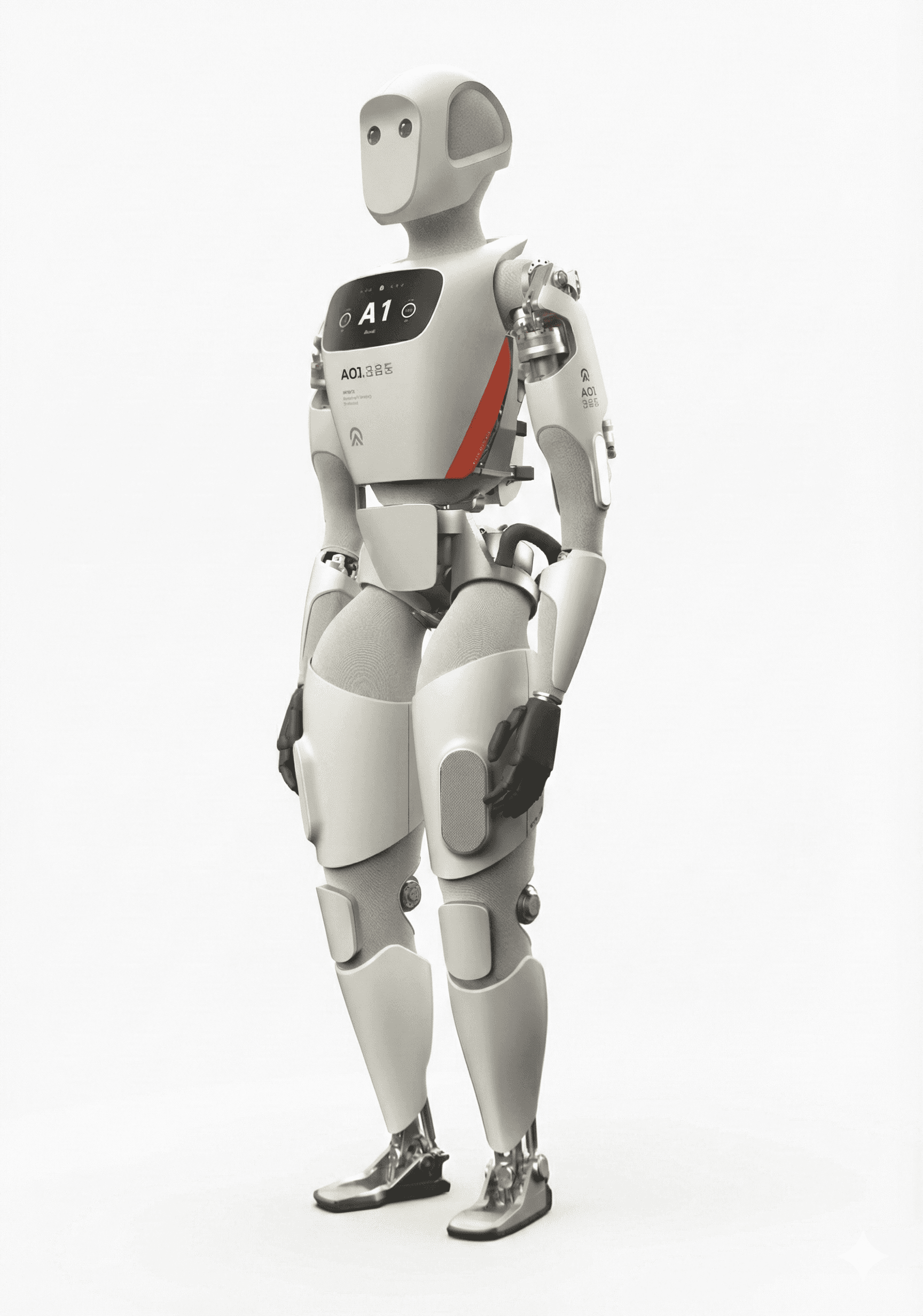
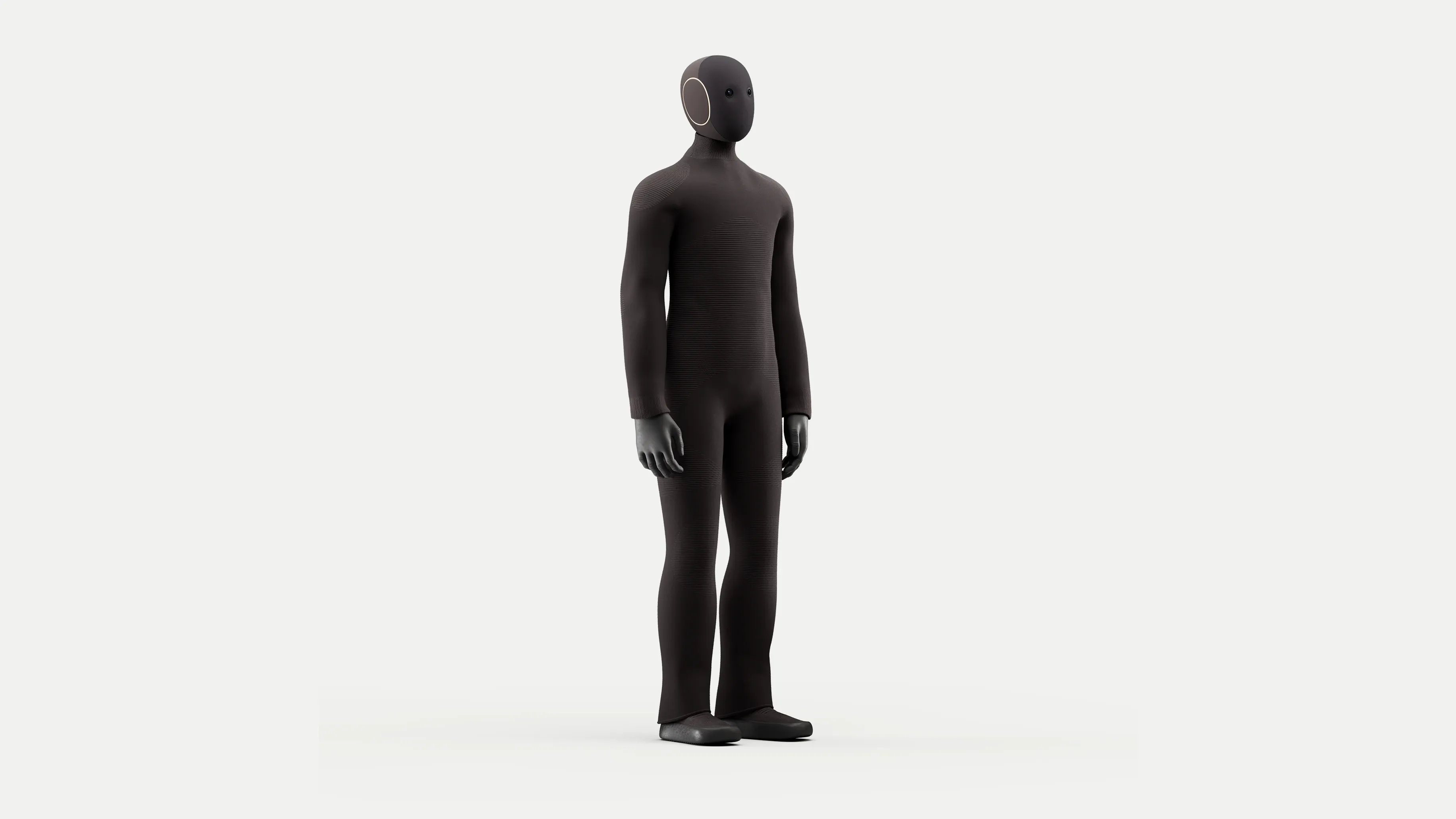
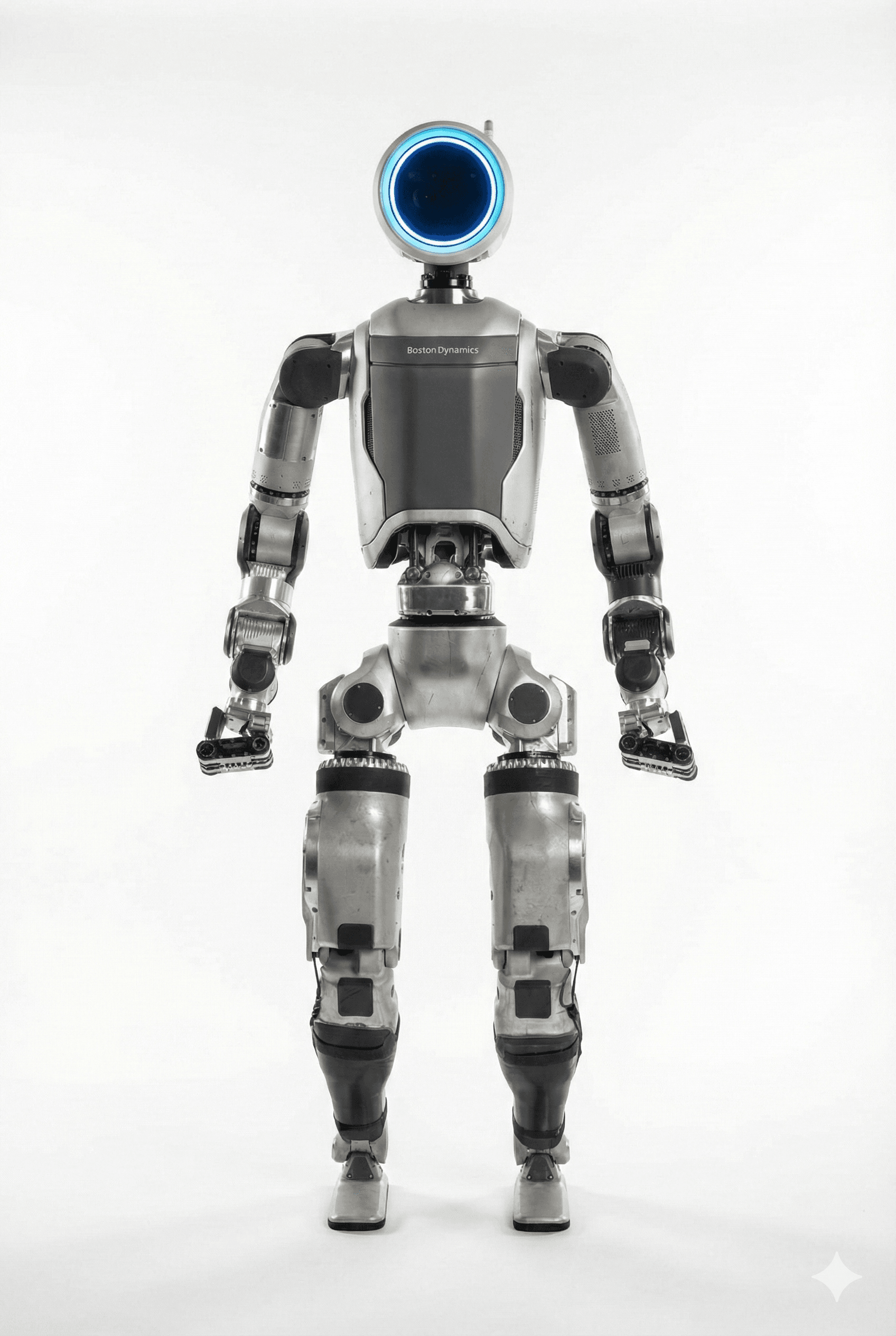
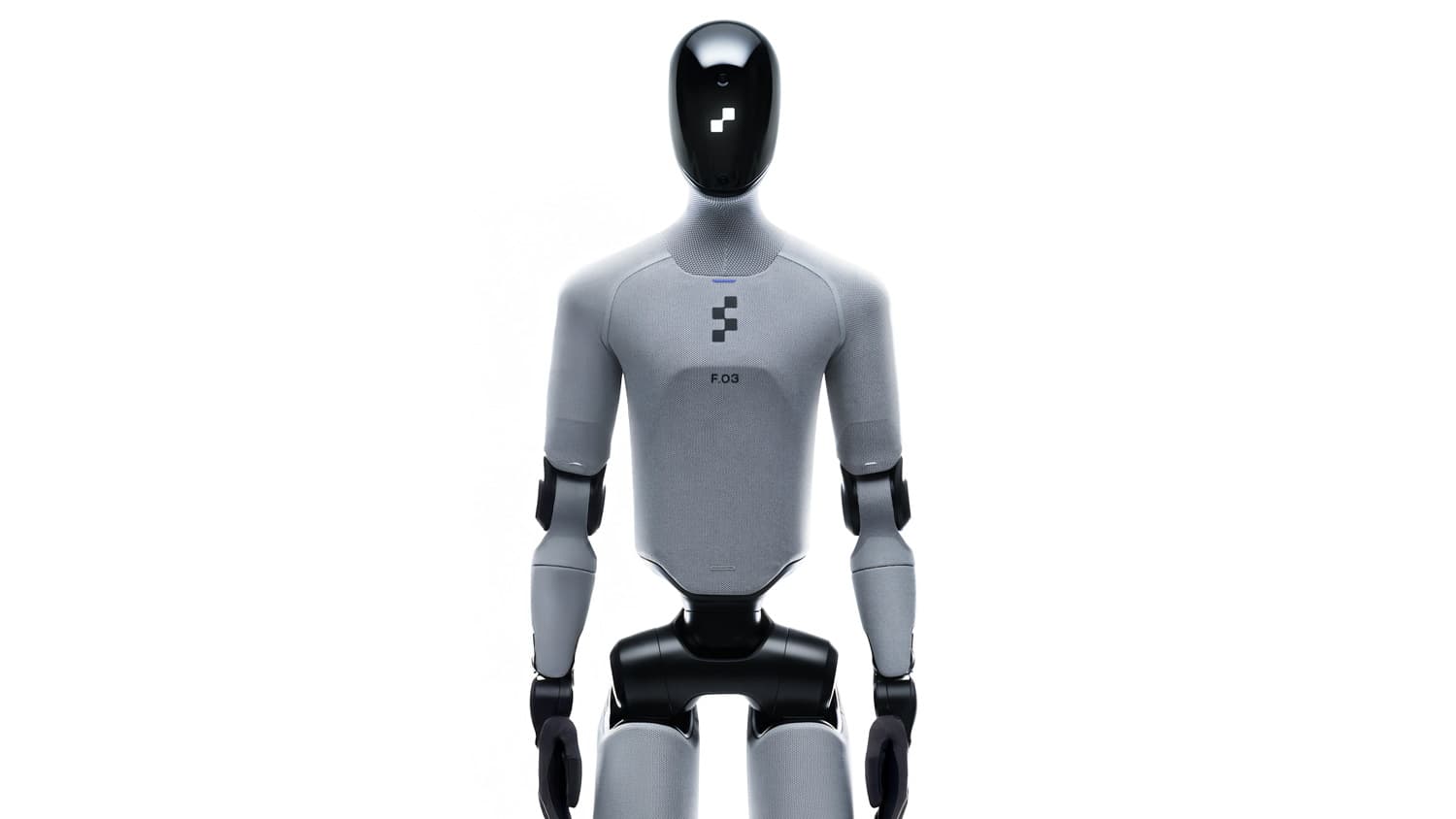
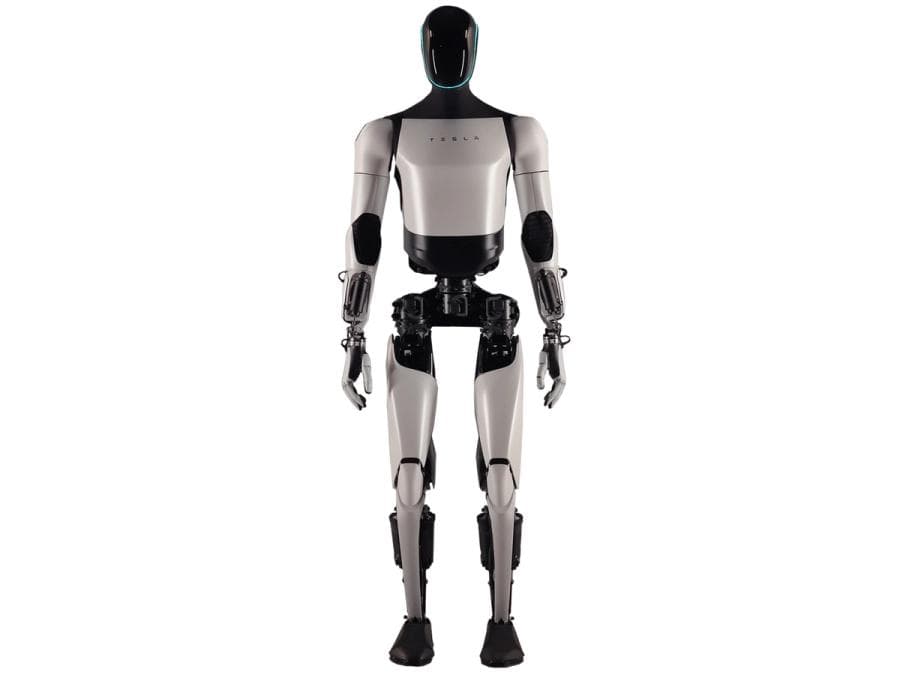
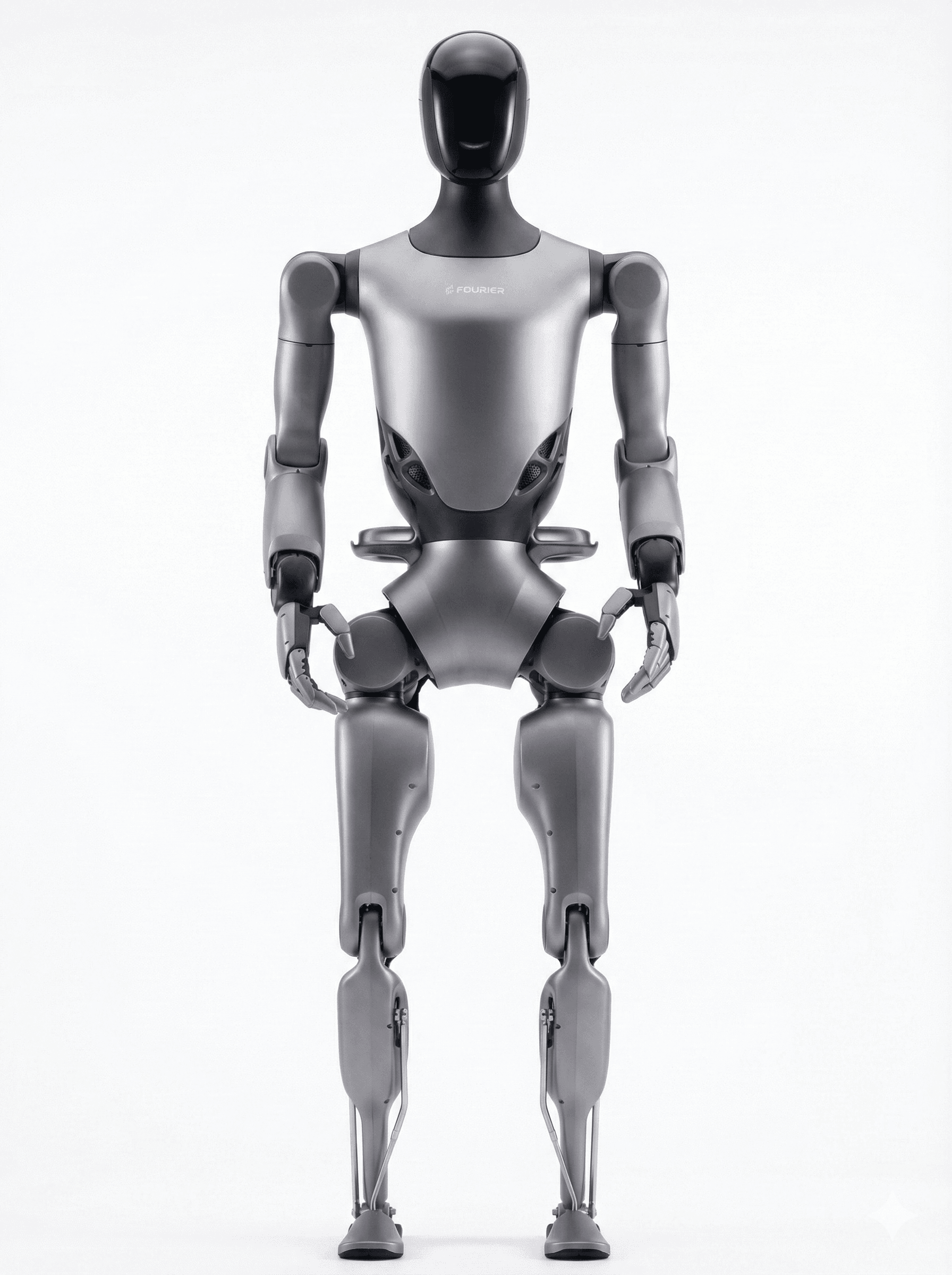
All modern humanoid robots including Boston Dynamics Atlas, Tesla Optimus, Figure 02, and Unitree H1 use gyroscopes as part of their IMU systems for balance and orientation sensing. The gyroscope data is fundamental to their stability and motion control.