IMU (Inertial Measurement Unit)
What is IMU (Inertial Measurement Unit) in Humanoid Robotics?
A sensor that measures acceleration, angular velocity, and sometimes magnetic field.
IMUs are essential for humanoid robot balance and navigation, providing real-time data about the robot's orientation and movement in 3D space.
How IMU (Inertial Measurement Unit) Works
An IMU combines multiple sensor types into one package. The accelerometer measures linear acceleration in three axes, the gyroscope measures angular velocity in three axes, and optionally a magnetometer measures magnetic field orientation. These sensors output data at high rates (often 100-1000 Hz). The IMU's onboard processor or the robot's main computer fuses this data using algorithms like complementary filters or Kalman filters to estimate the robot's orientation, angular velocity, and linear acceleration. This provides crucial real-time information about the robot's motion and posture. The data helps answer: Which way is up? Am I tilting? How fast am I rotating? Am I accelerating?
Types of IMU (Inertial Measurement Unit)
- Basic IMU: 6-axis combining 3-axis accelerometer and 3-axis gyroscope. 9-axis IMU: Adds 3-axis magnetometer for absolute heading reference
- Consumer-Grade: Lower cost, sufficient for many robotics applications
- Industrial-Grade: Higher accuracy and reliability for demanding applications
- MEMS-based: Tiny semiconductor sensors, common in modern robots
- Fiber-Optic: Very high precision, used in advanced systems
Applications in Humanoid Robots
IMUs are essential for bipedal balance control in humanoid robots, providing instantaneous feedback about tilting or rotation. During walking, IMU data helps coordinate gait and maintain upright posture. Navigation systems use IMU data between GPS or visual updates to track movement. Manipulation tasks use torso IMU data to maintain stable platform for arm movements. Fall detection and recovery systems rely on IMU accelerometer data. Motion planning incorporates IMU feedback for dynamic movement control.
Example Humanoid Robots
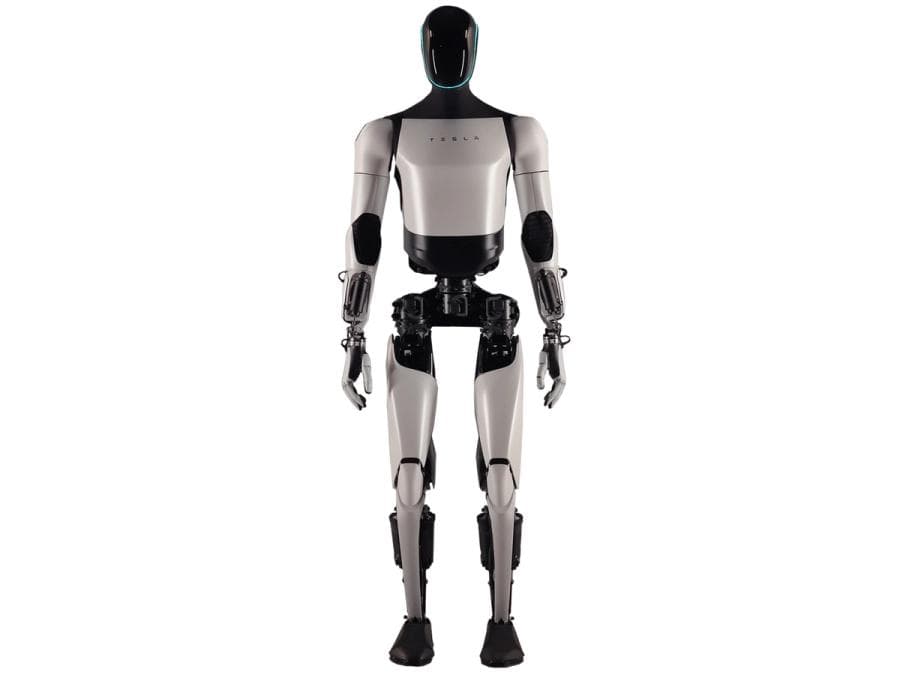
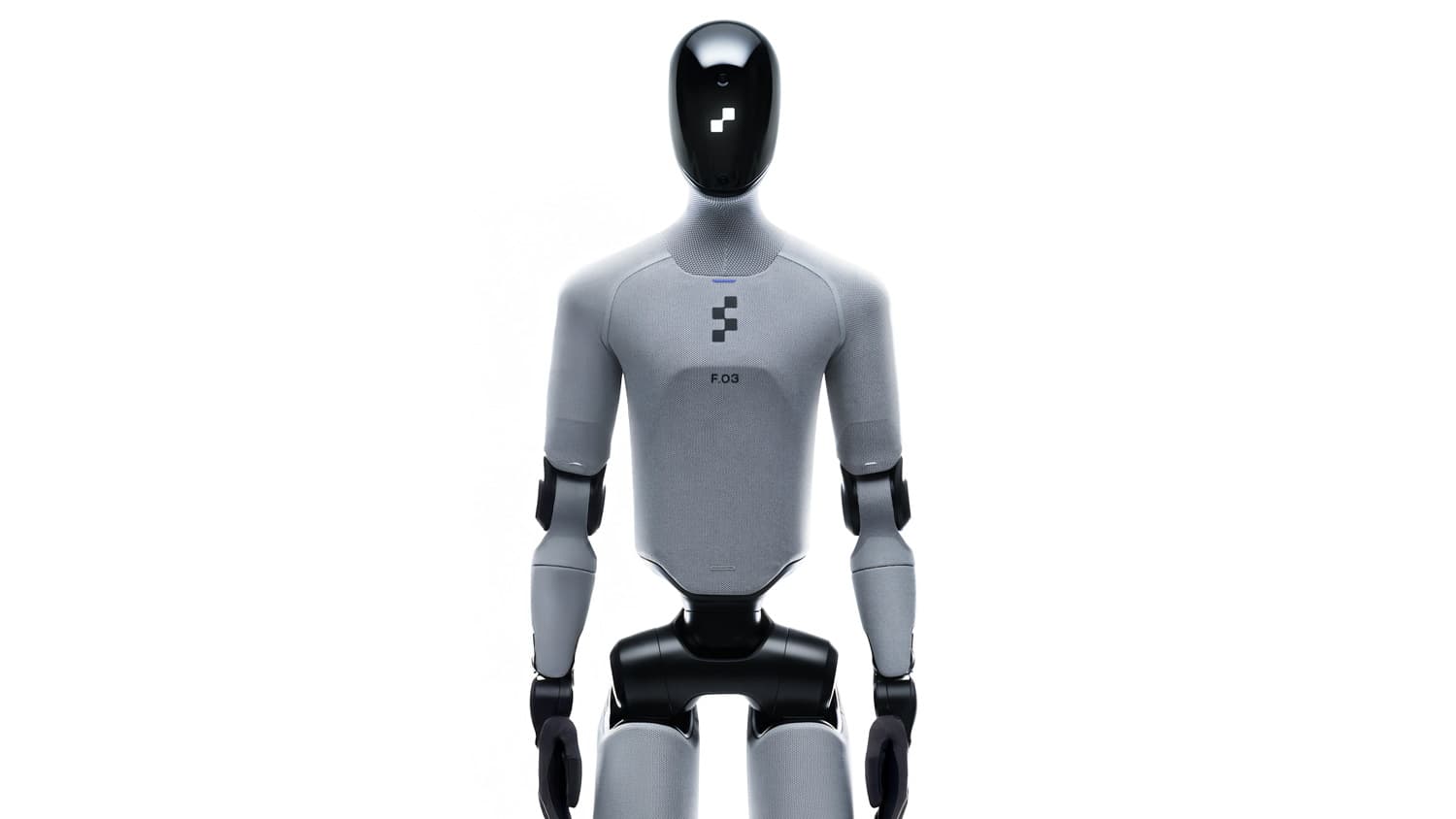
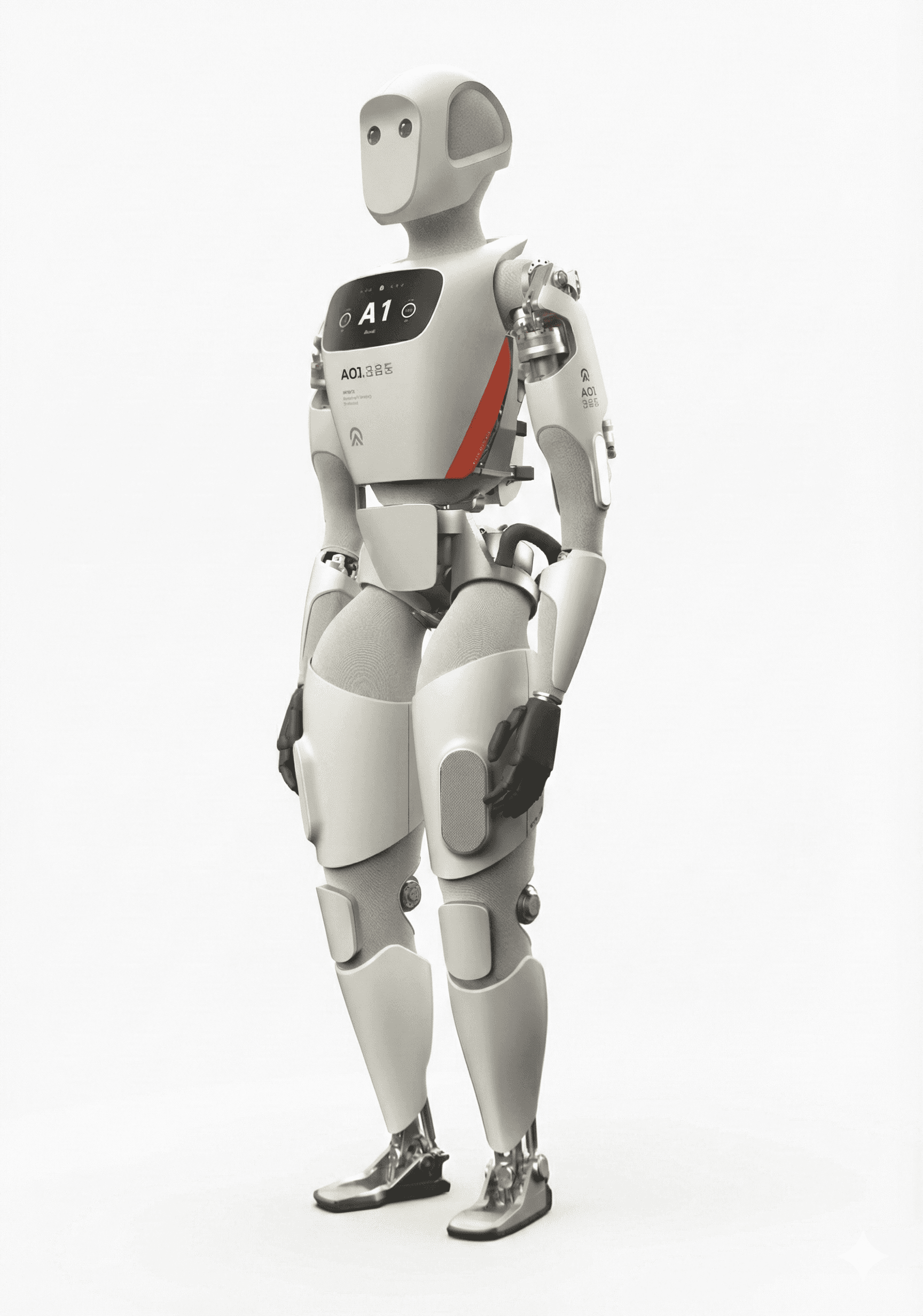
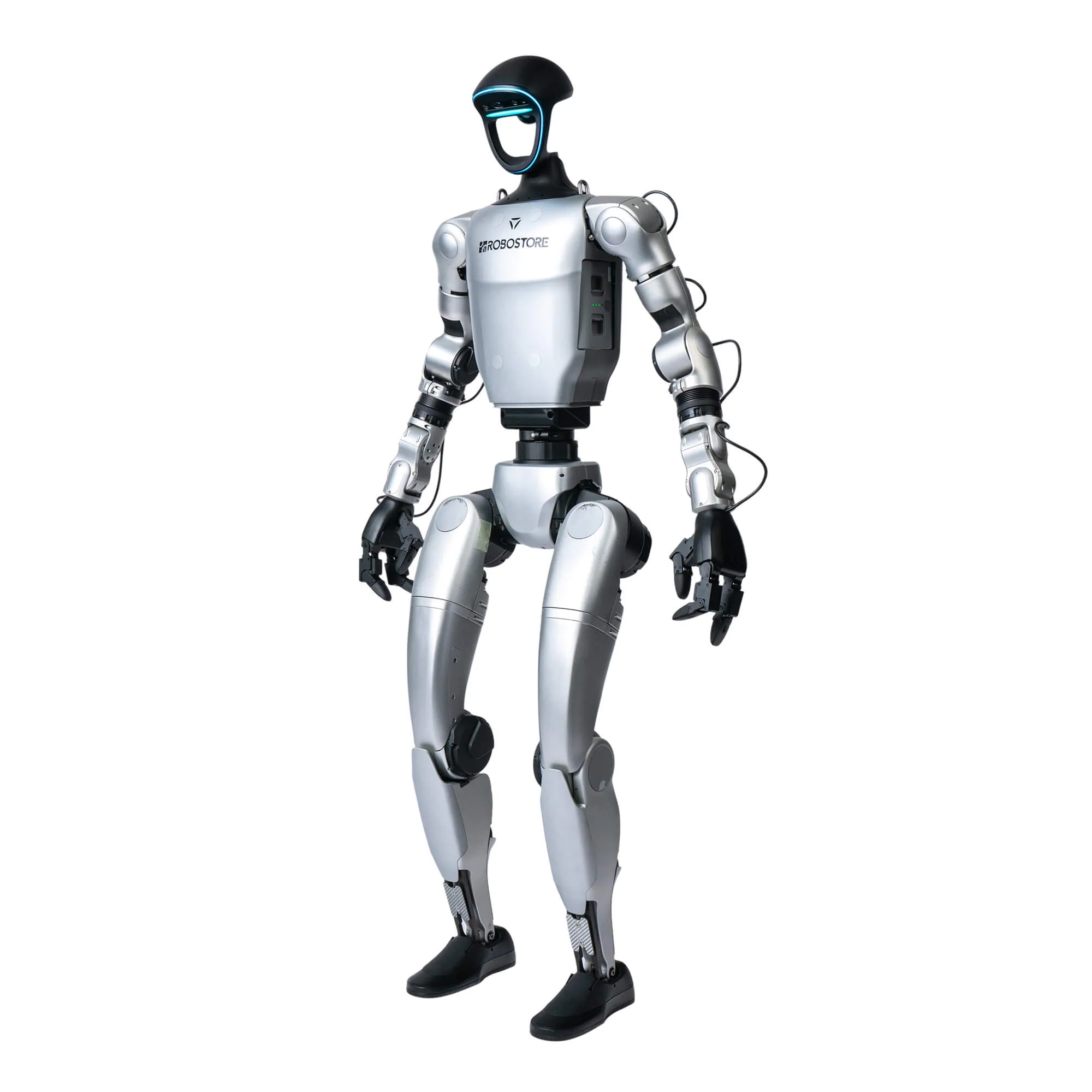
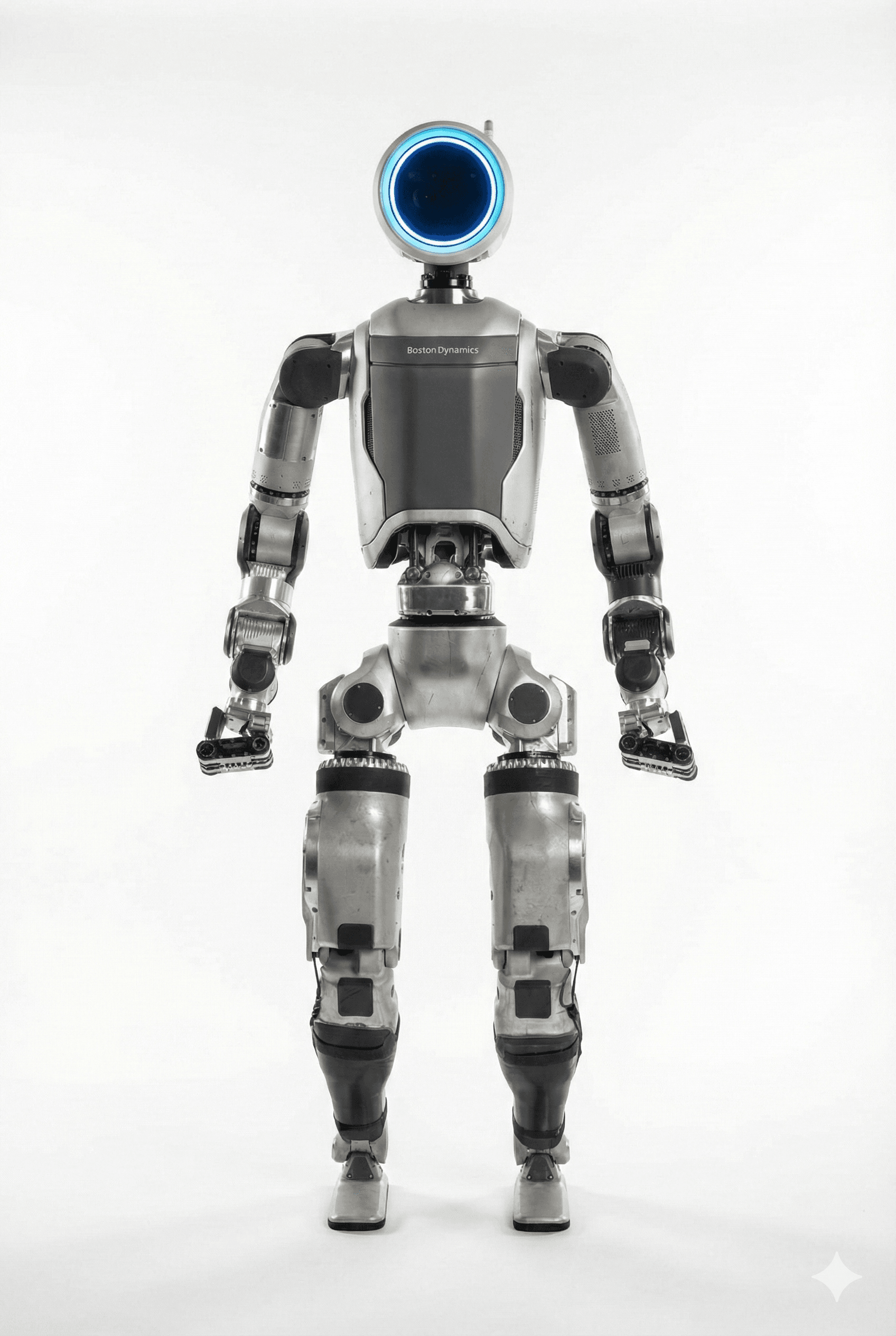
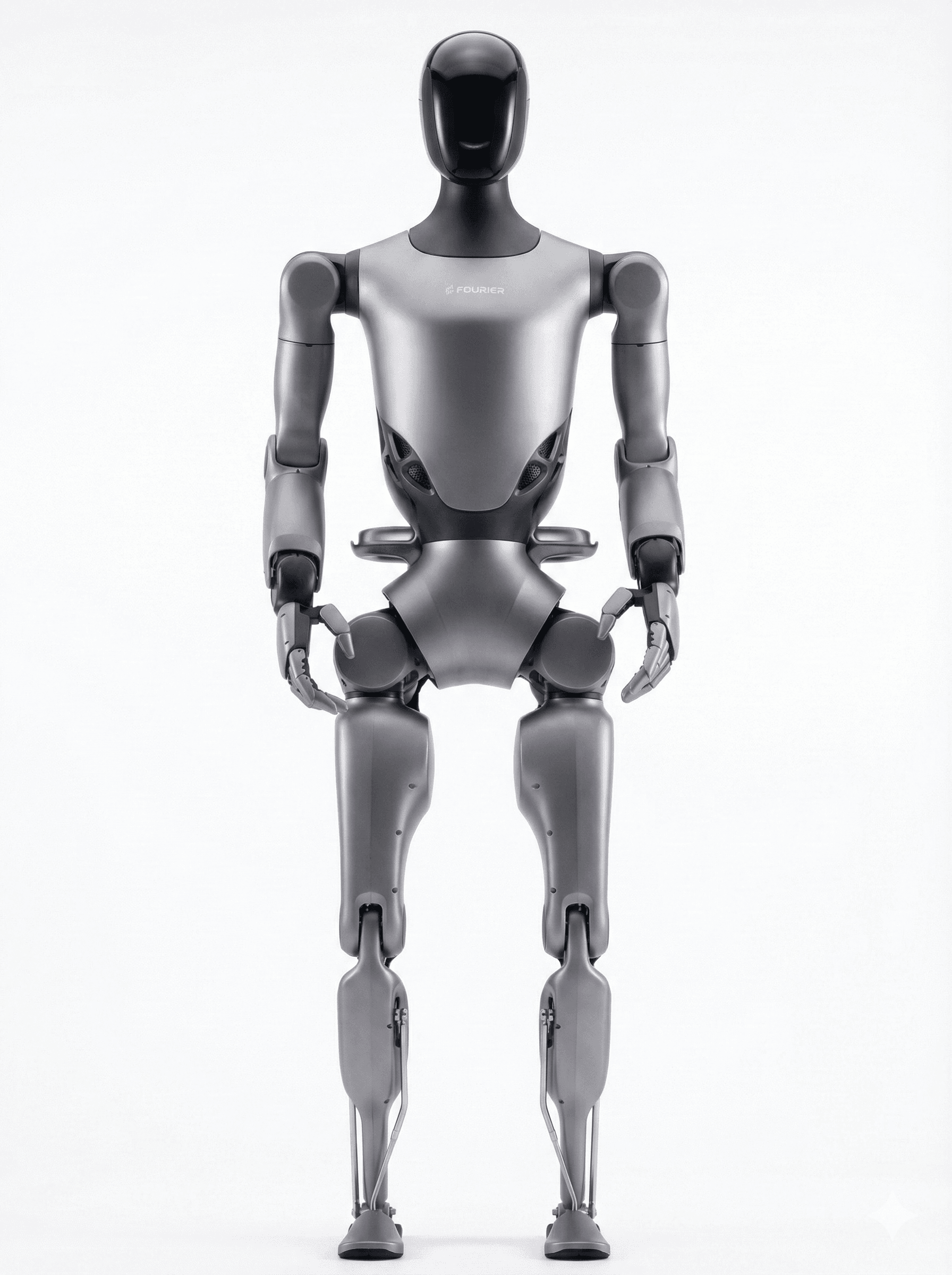
Every modern humanoid robot including Boston Dynamics Atlas, Tesla Optimus, Figure 02, Unitree H1, and Digit use IMUs as fundamental sensors for balance and motion control. Advanced robots may use multiple IMUs at different body locations for enhanced sensing.