Bipedal
What is Bipedal in Humanoid Robotics?
Walking or moving on two legs.
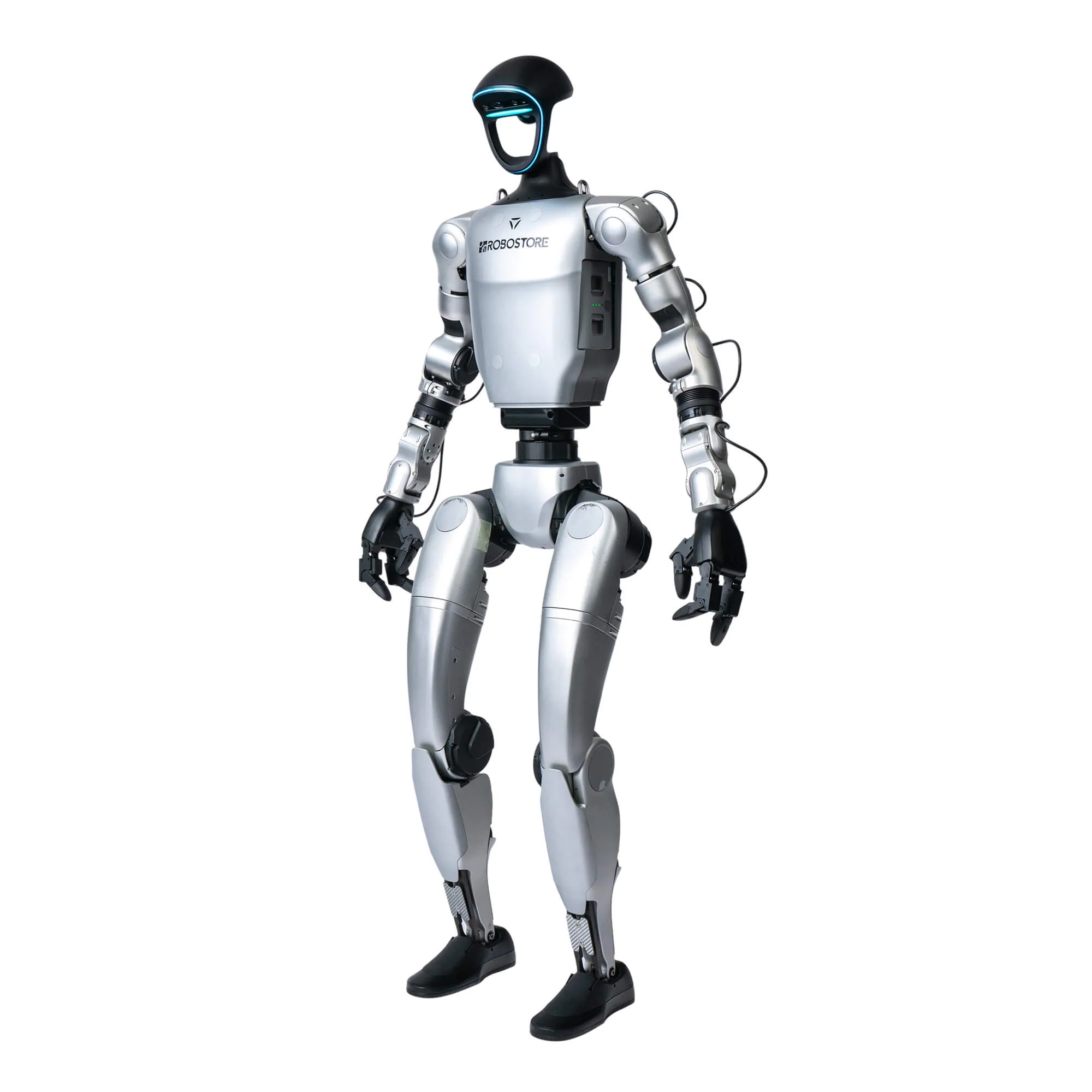
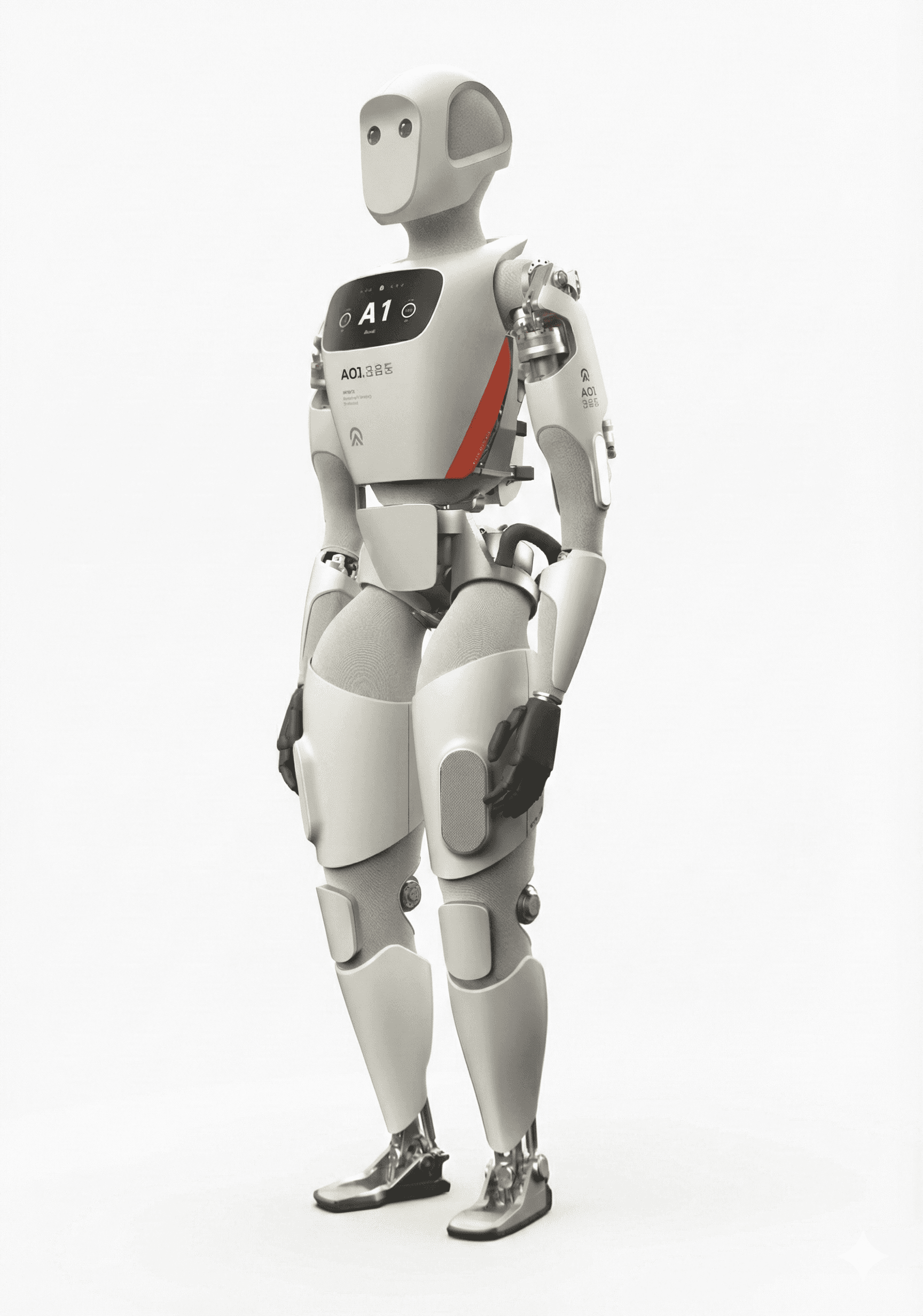
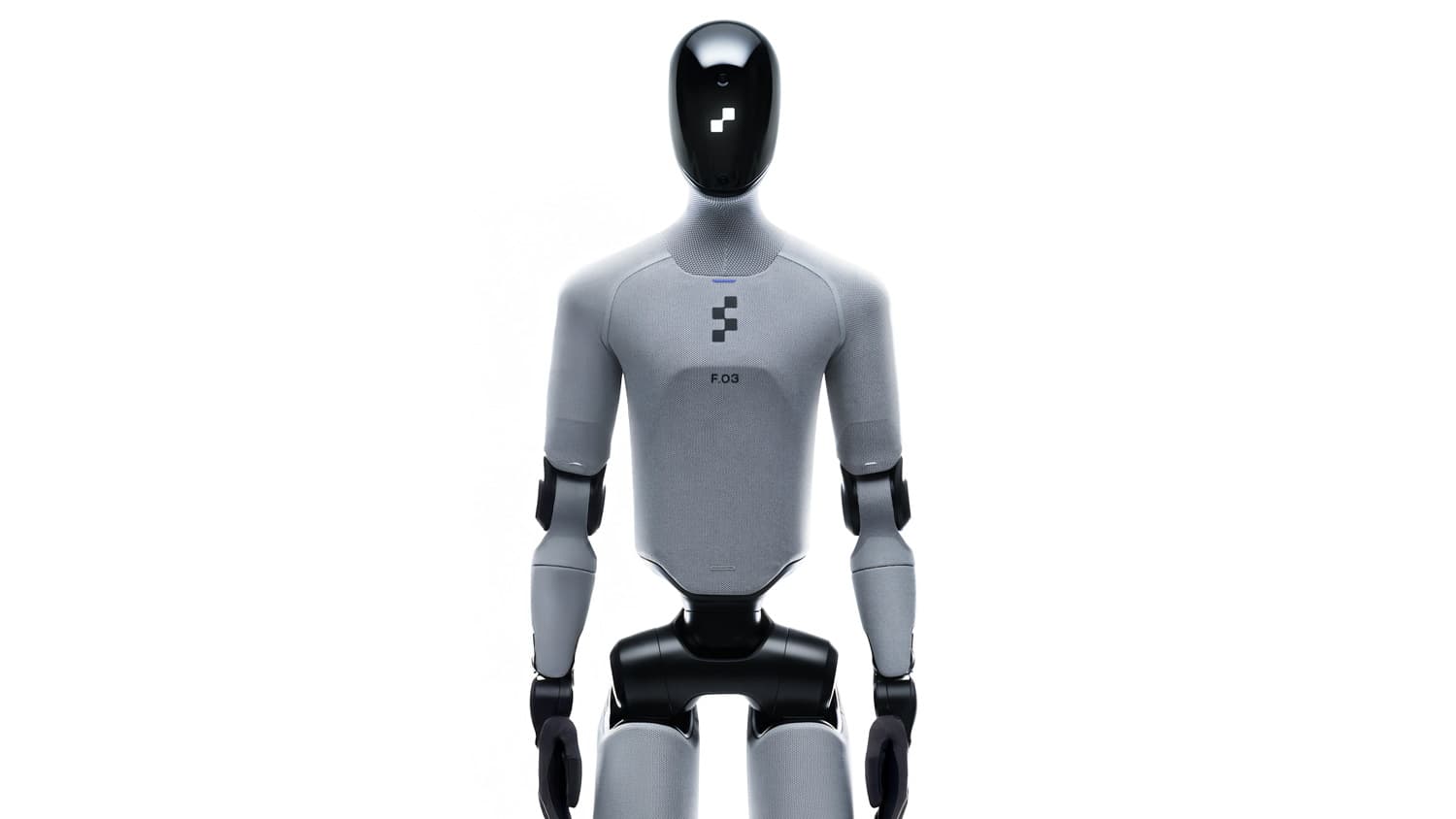
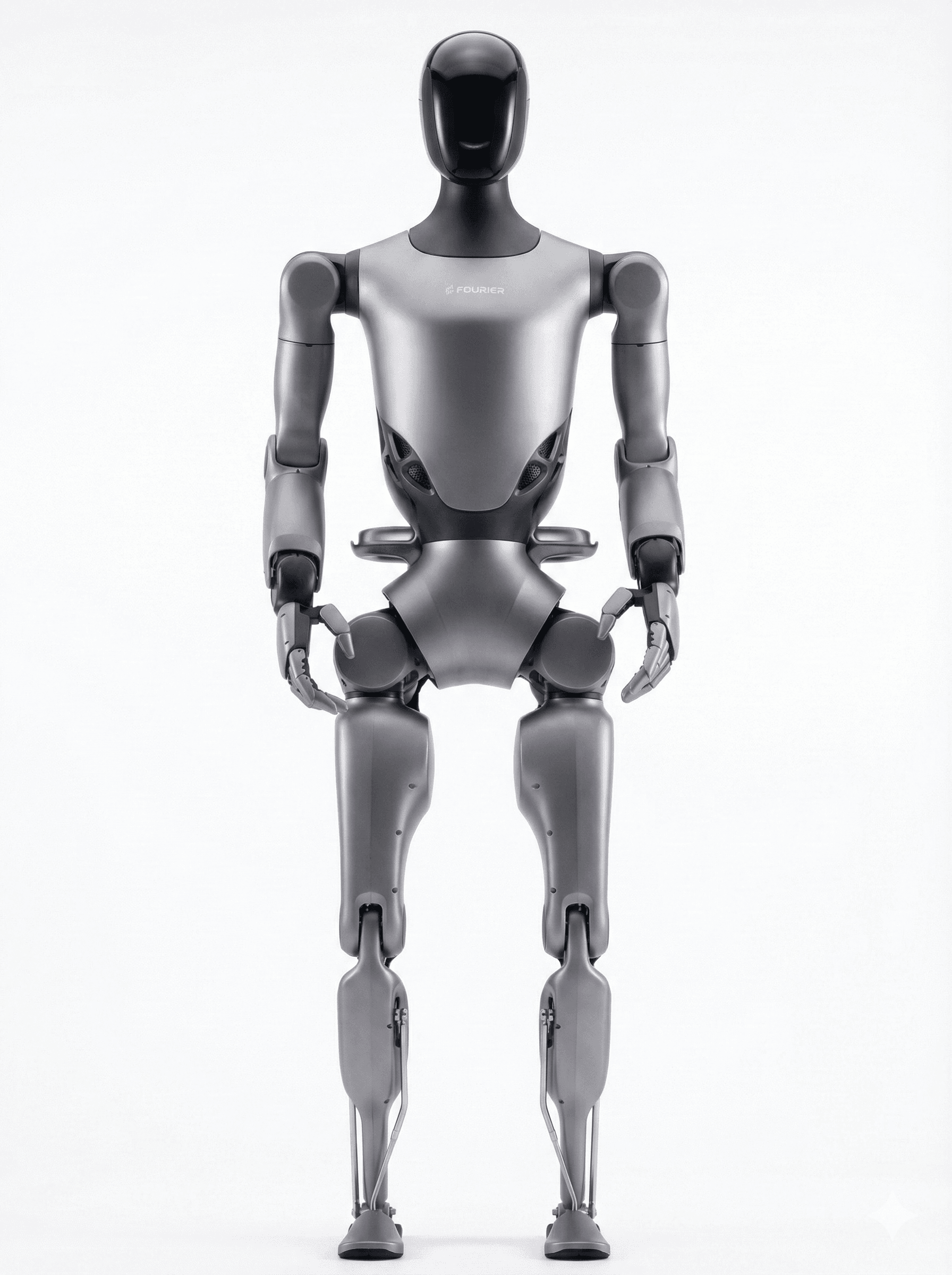
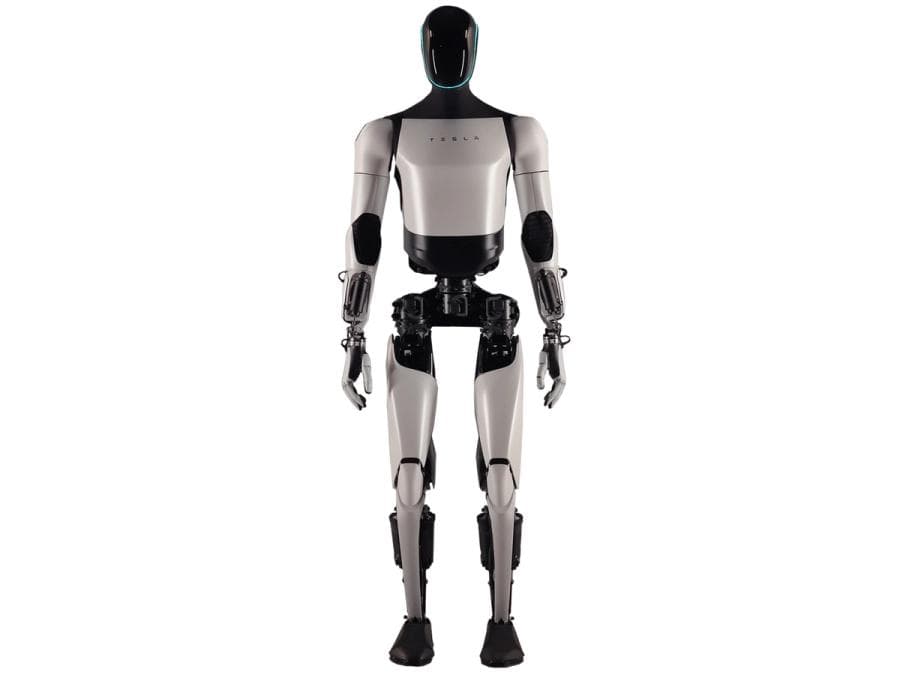
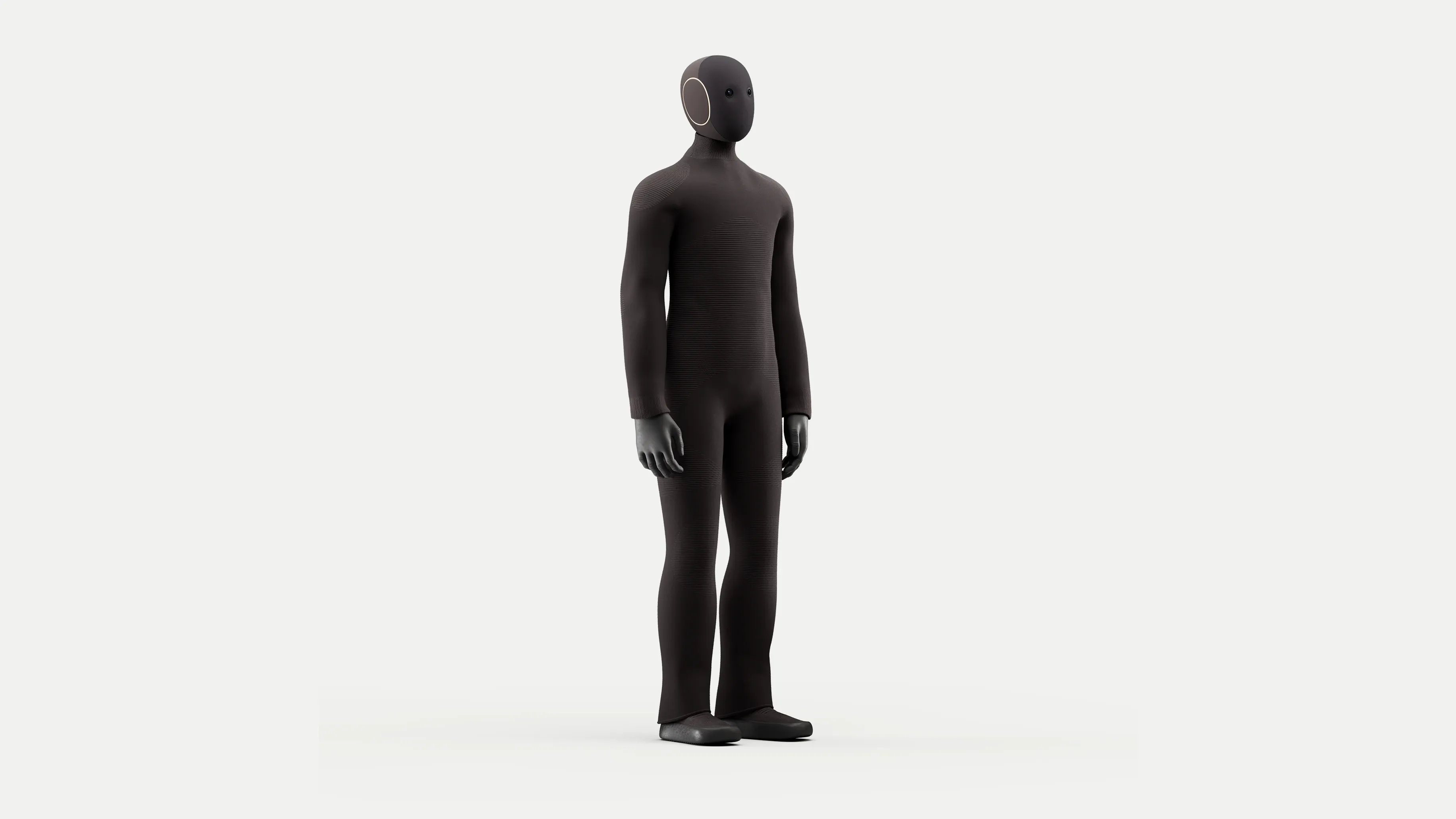
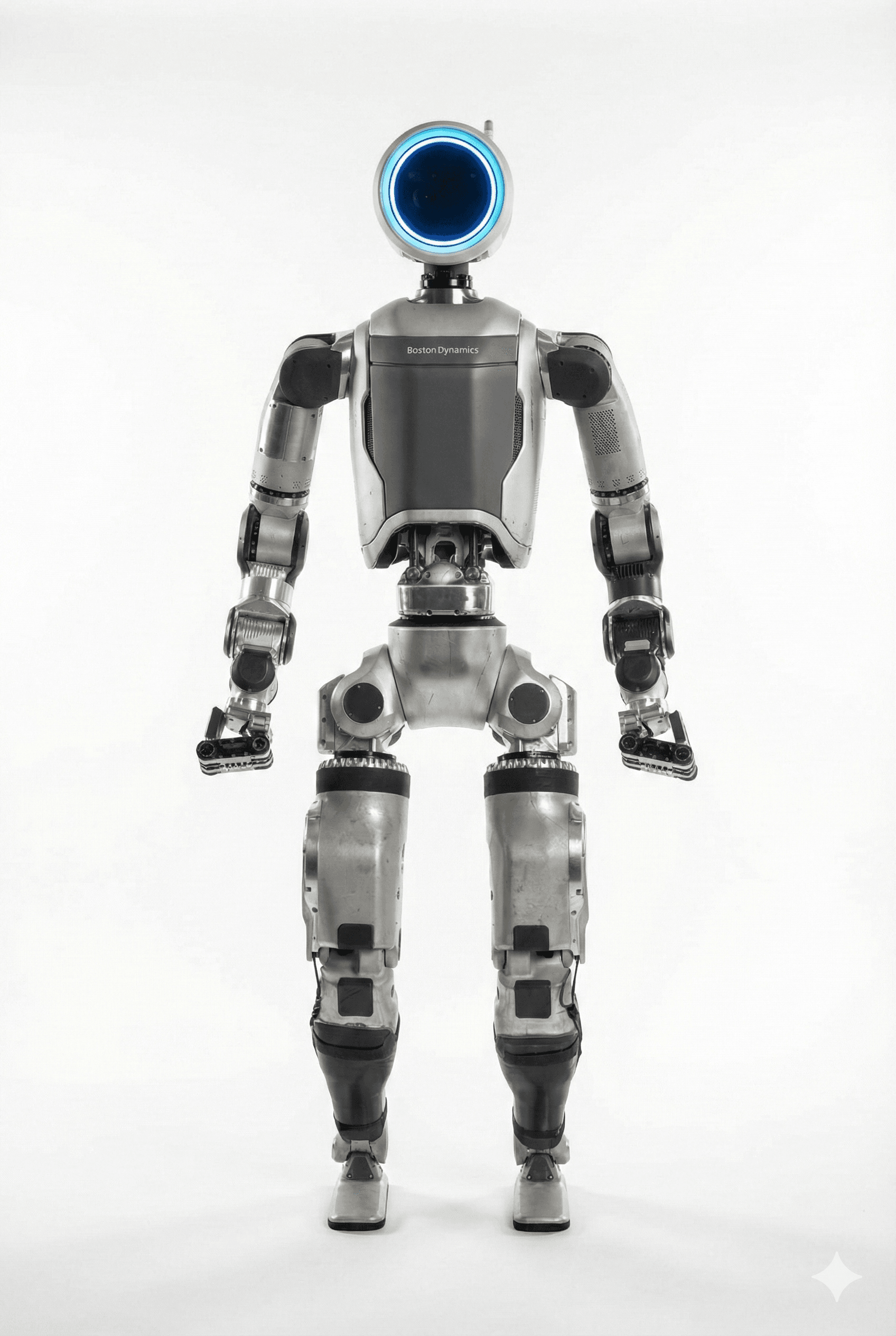
Bipedal locomotion is a key challenge in humanoid robotics, requiring sophisticated balance systems, sensors, and control algorithms to maintain stability while walking.
How Bipedal Works
Bipedal walking in humanoid robots is an incredibly complex balancing act. The robot must continuously shift its center of mass over the supporting foot while swinging the other leg forward. Gyroscopes and accelerometers in the IMU detect any tilting, while force sensors in the feet measure ground contact and pressure distribution. The control system uses techniques like Zero Moment Point (ZMP) control to ensure stability - keeping the point where forces balance within the foot contact area. Each step involves coordinated movement of hip, knee, and ankle joints, with the robot constantly making micro-adjustments to maintain balance. Advanced robots use predictive algorithms to plan several steps ahead.
Types of Bipedal
- Static Walking: One foot always on ground, very stable but slow - used in early humanoid robots
- Dynamic Walking: Both feet can be airborne briefly, faster and more natural but requires sophisticated balance control
- Running: Extended flight phase with no ground contact, demanding rapid balance corrections
- Passive Dynamic Walking: Uses natural pendulum-like leg swing with minimal actuation, very energy efficient
- Compliance-Based: Joints have some give, absorbing impacts and adapting to terrain irregularities
Applications in Humanoid Robots
Bipedal locomotion allows humanoid robots to navigate environments designed for humans - stairs, narrow corridors, uneven floors. In disaster response, bipedal robots can traverse rubble and debris that wheeled robots cannot. Manufacturing robots use bipedal mobility to move between workstations in crowded facilities. Service robots in hotels and hospitals navigate human spaces naturally. Research applications explore the biomechanics of human walking to improve prosthetics and rehabilitation. Bipedal design enables robots to use human tools and equipment without modification.