Servo
What is Servo in Humanoid Robotics?
A motorized device that provides precise control of angular or linear position.
Servos are common in robot joints, offering accurate position control with feedback. They enable the precise movements needed for walking, reaching, and manipulation.
How Servo Works
A servo motor contains a DC motor, gear reduction, position sensor (encoder or potentiometer), and control circuit on a single integrated package. The control circuit receives a command signal (often PWM - pulse width modulation) specifying the desired position. The encoder measures actual shaft position and reports it to the internal controller. Using a PID control loop, the circuit compares desired vs actual position and drives the motor accordingly. If the shaft is behind target, the motor spins forward; if ahead, it reverses. The feedback loop continuously corrects position, even if external forces try to move the shaft. High-quality servos provide accurate position control, holding power to resist movement, and speed control.
Types of Servo
- Analog Servos: Simpler control circuit, adequate for many applications
- Digital Servos: Microprocessor-based control, faster response and higher holding torque
- Continuous Rotation Servos: Modified for continuous spinning rather than position control
- High-Torque Servos: Stronger gear reduction for heavy loads
- Precision Servos: Enhanced accuracy for critical applications
- Brushless Servos: Longer life and higher efficiency
- Smart Servos: Serial communication and advanced features
Applications in Humanoid Robots
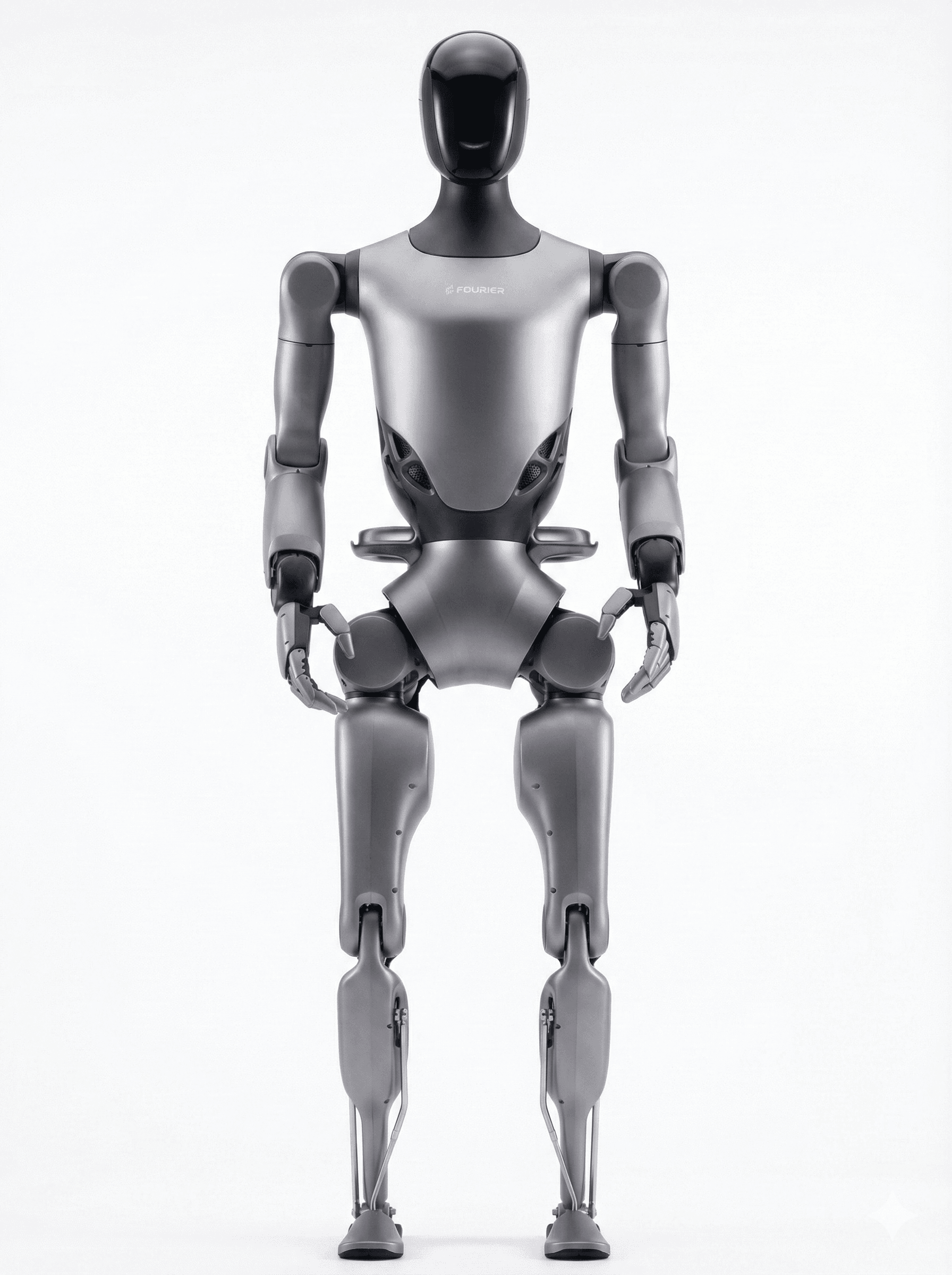
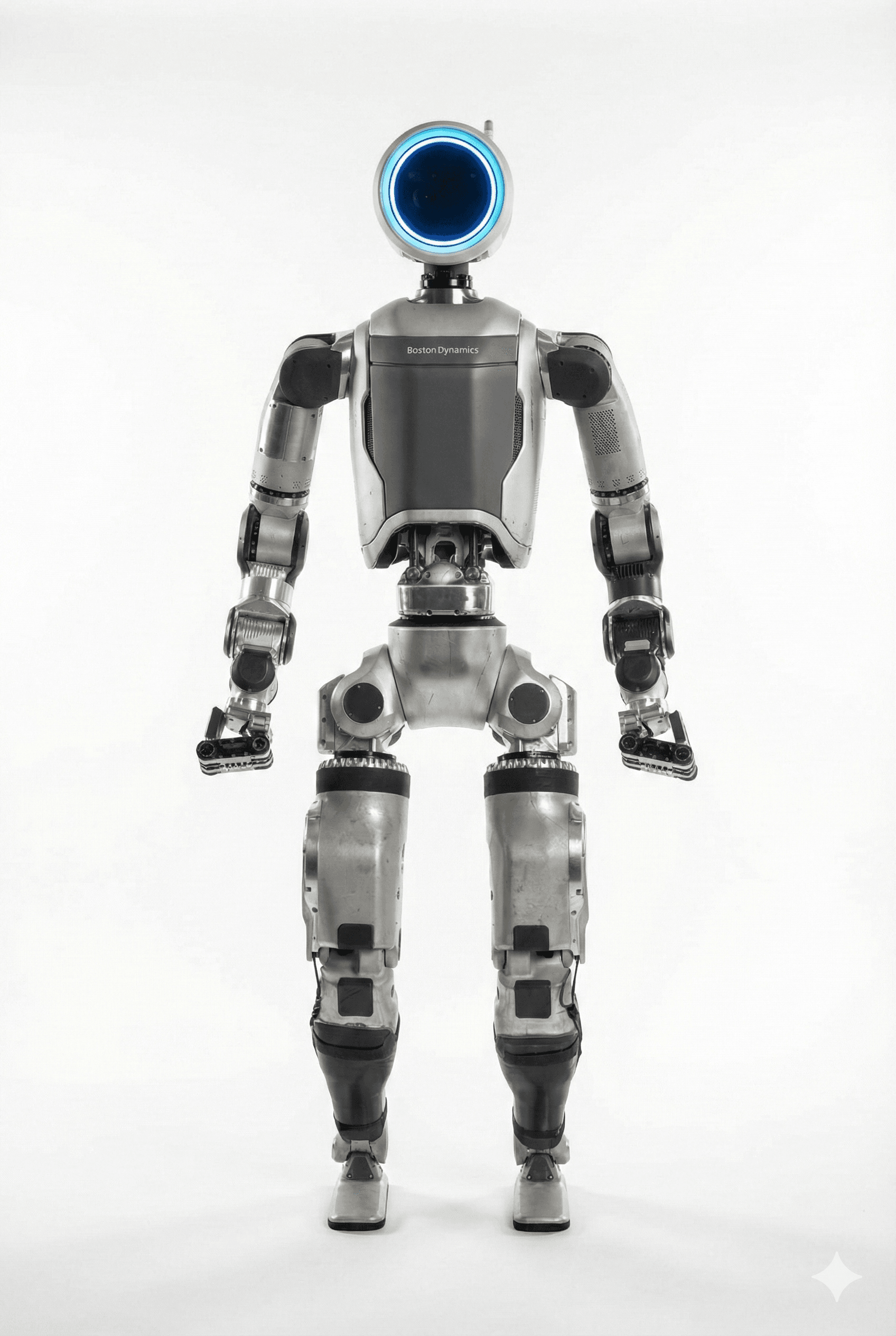
Humanoid robot joints extensively use servo motors for precise position control of arms, legs, and hands. Smaller servos control facial features in expressive robots and camera gimbals for head movement. Research robots often use hobby-grade servos for cost-effective prototyping. Educational humanoid platforms widely employ servos for accessibility and ease of control. High-performance servos enable fast, accurate movements in dynamic robots. Compliance control can use servos with force sensing for safe human interaction.