Joint
What is Joint in Humanoid Robotics?
A connection point between two rigid parts that allows relative motion.
Robot joints mimic biological joints like elbows, knees, and shoulders. They can be revolute (rotating), prismatic (sliding), or more complex types.
How Joint Works
Robot joints connect two rigid links (like bones) and allow controlled relative movement between them. Each joint contains an actuator (usually a motor), position sensors (encoders), and often force/torque sensors. The motor receives control signals and rotates or extends, moving one link relative to the other. Encoders continuously measure the actual joint angle and report it to the control system. The controller compares desired vs actual position and adjusts motor commands accordingly. Gear reduction systems often multiply motor torque while reducing speed. Bearings ensure smooth rotation with minimal friction. Joint limits - both mechanical stops and software constraints - prevent damage from over-extension.
Types of Joint
- Revolute Joints: Rotate around a fixed axis, like elbows and knees - most common in humanoid robots
- Prismatic Joints: Linear sliding motion, less common
- Ball-and-Socket: 3-DOF joints like shoulders and hips
- Universal Joints: 2-DOF allowing rotation around two axes
- Compliant Joints: Include springs or elastic elements for shock absorption
- Geared Joints: Use reduction gears for high torque
- Direct-Drive: Motor directly connected without gears for precision
Applications in Humanoid Robots
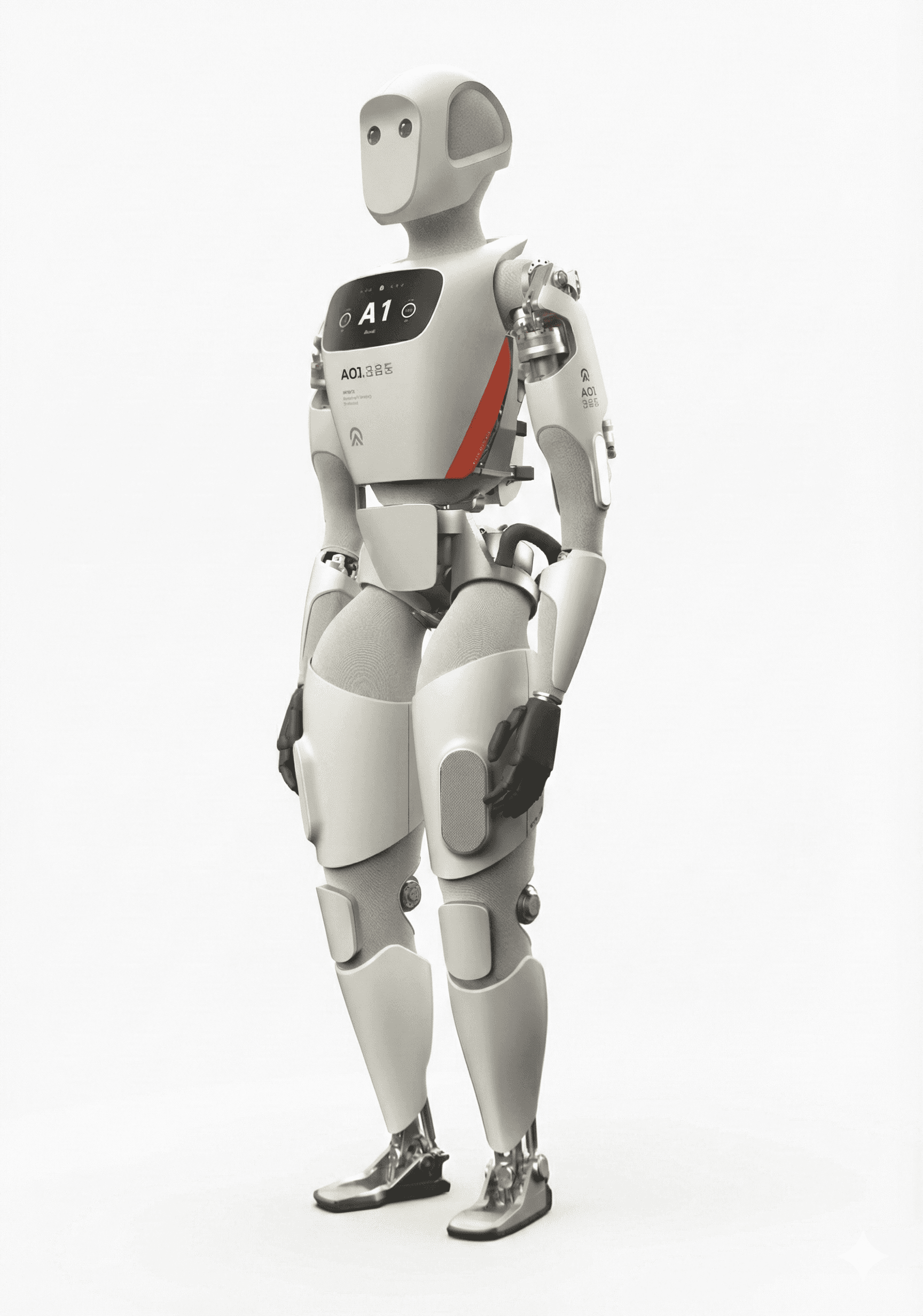
Hip joints enable leg movement in multiple directions for walking and balance. Knee joints provide the flexion needed for walking, running, and sitting. Ankle joints allow foot positioning and balance adjustment. Shoulder joints give arms extensive range of motion for manipulation. Elbow joints enable reaching and folding. Wrist joints allow hand orientation. Finger joints enable grasping and fine manipulation. The specific number, type, and placement of joints determine a humanoid robot's overall capabilities.
Example Humanoid Robots
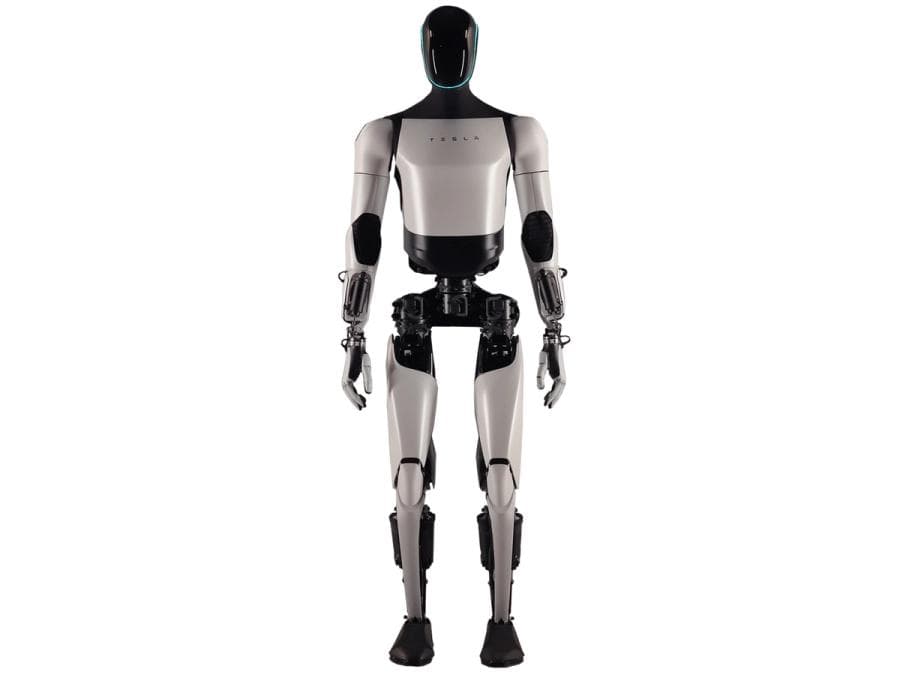
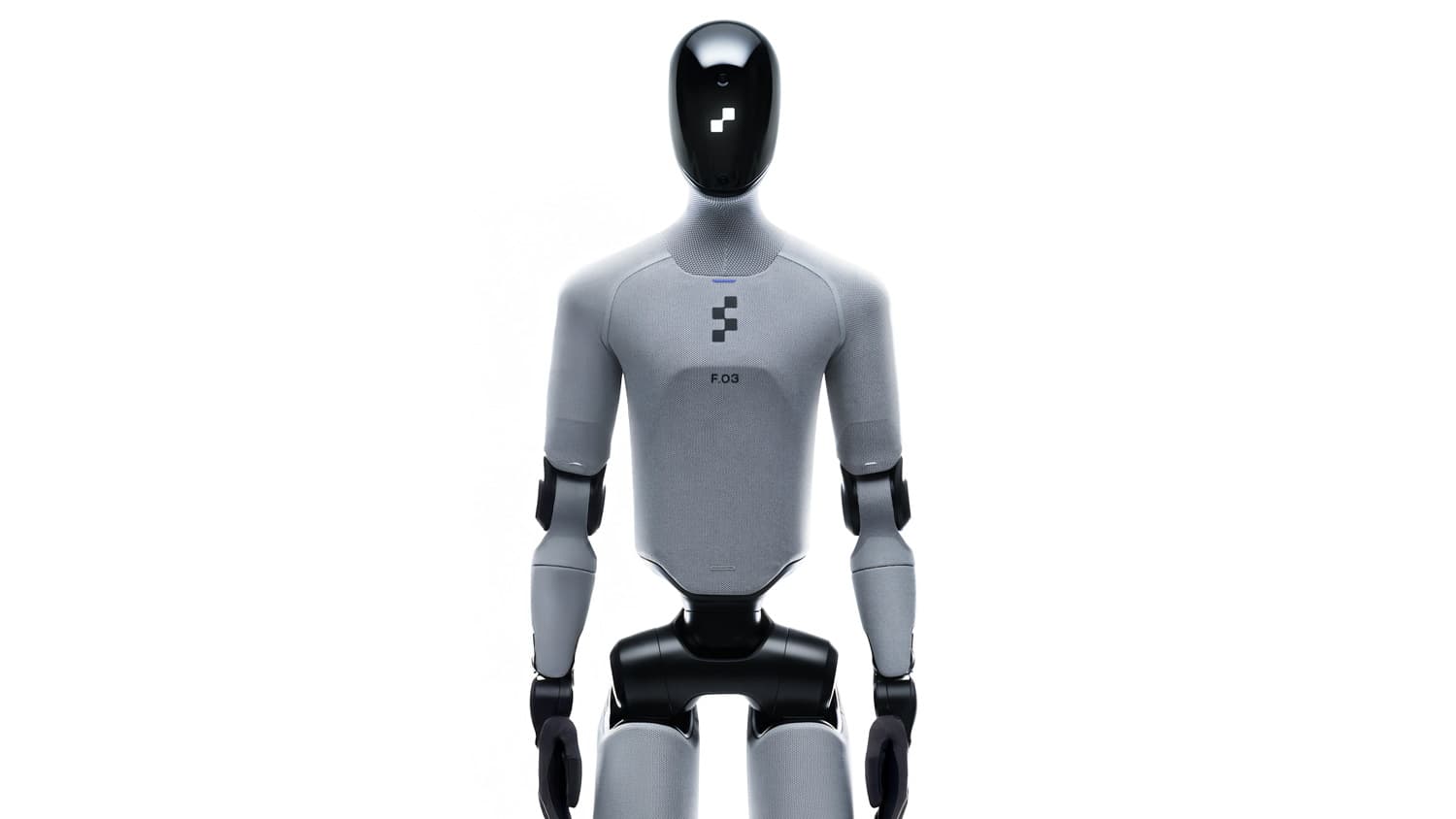
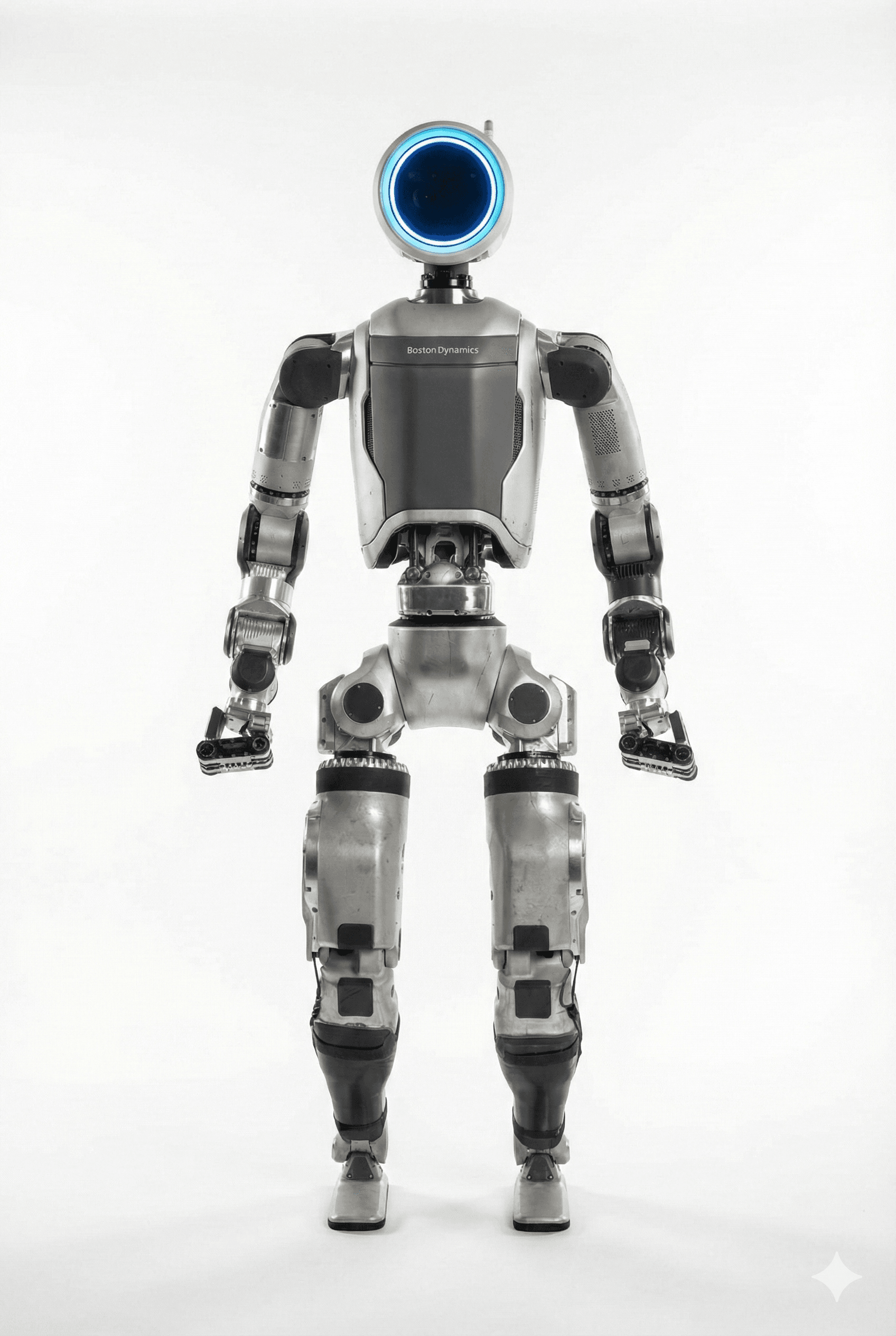
Boston Dynamics Atlas features advanced hydraulic joints for powerful dynamic movements. Tesla Optimus Gen 2 uses custom electric motor joints optimized for efficiency. Unitree H1 employs high-performance joint motors enabling 3.3 m/s walking. Figure 02 features robust joints designed for commercial deployment and reliability.