Torque
What is Torque in Humanoid Robotics?
Rotational force that causes an object to rotate around an axis.
Joint torque determines how much force a robot can apply. Higher torque enables lifting heavier objects or moving more quickly, but requires more powerful actuators.
How Torque Works
Torque is the rotational equivalent of force. In robot joints, motors generate torque to rotate limbs against resistance. The relationship is Torque = Force × Distance from rotation axis. A motor producing 10 Nm (newton-meters) of torque can lift 10 kg at 1 meter radius, or 20 kg at 0.5 meters. Gear reduction trades motor speed for torque - a 100:1 reduction multiplies torque 100× but divides speed 100×. Torque sensors measure actual applied torque, often using strain gauges that detect slight deformations in mechanical parts. The control system monitors torque to prevent overloading motors, detect collisions, or implement force control during manipulation. High torque enables powerful movements but requires stronger, heavier motors.
Types of Torque
- Static Torque: Holding torque when not moving, also called stall torque
- Dynamic Torque: Torque while in motion, typically lower than static
- Peak Torque: Maximum brief torque capability
- Continuous Torque: Torque sustainable indefinitely without overheating
- Rated Torque: Manufacturer-specified normal operating torque
- Specific Torque: Torque per unit weight, important efficiency metric
Applications in Humanoid Robots
Hip and knee joints require high torque to support body weight and enable walking, especially during dynamic movements like running or jumping. Shoulder joints need significant torque to lift arms plus payloads. Ankle joints use torque for balance adjustments and push-off during walking. Hand actuators require precise torque control for grasping without crushing objects. Torque sensing enables compliant interaction, making robots safe around humans. Power tools operated by robots demand sufficient joint torque for effective operation.
Example Humanoid Robots
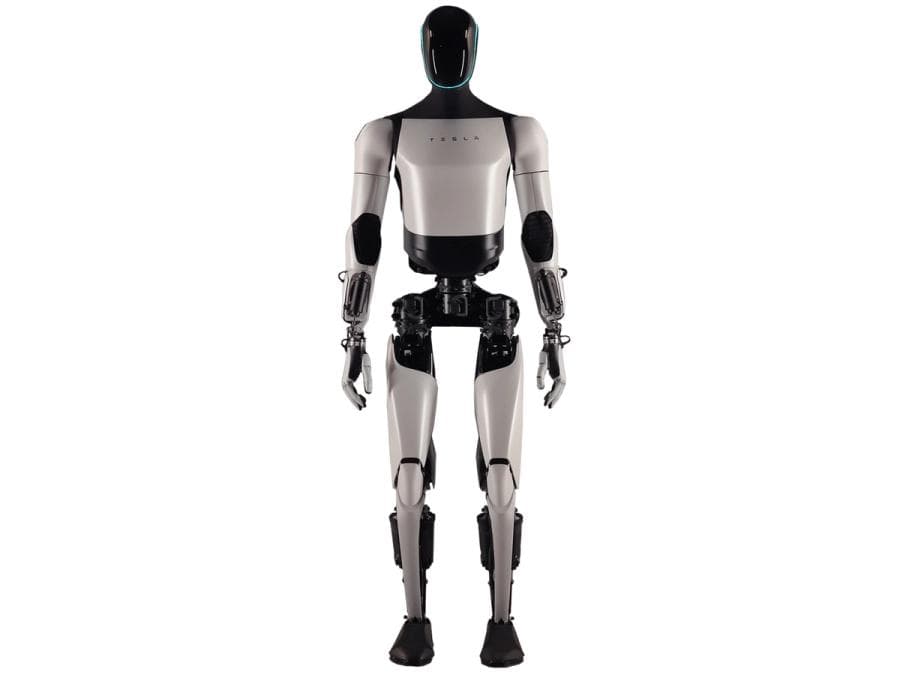
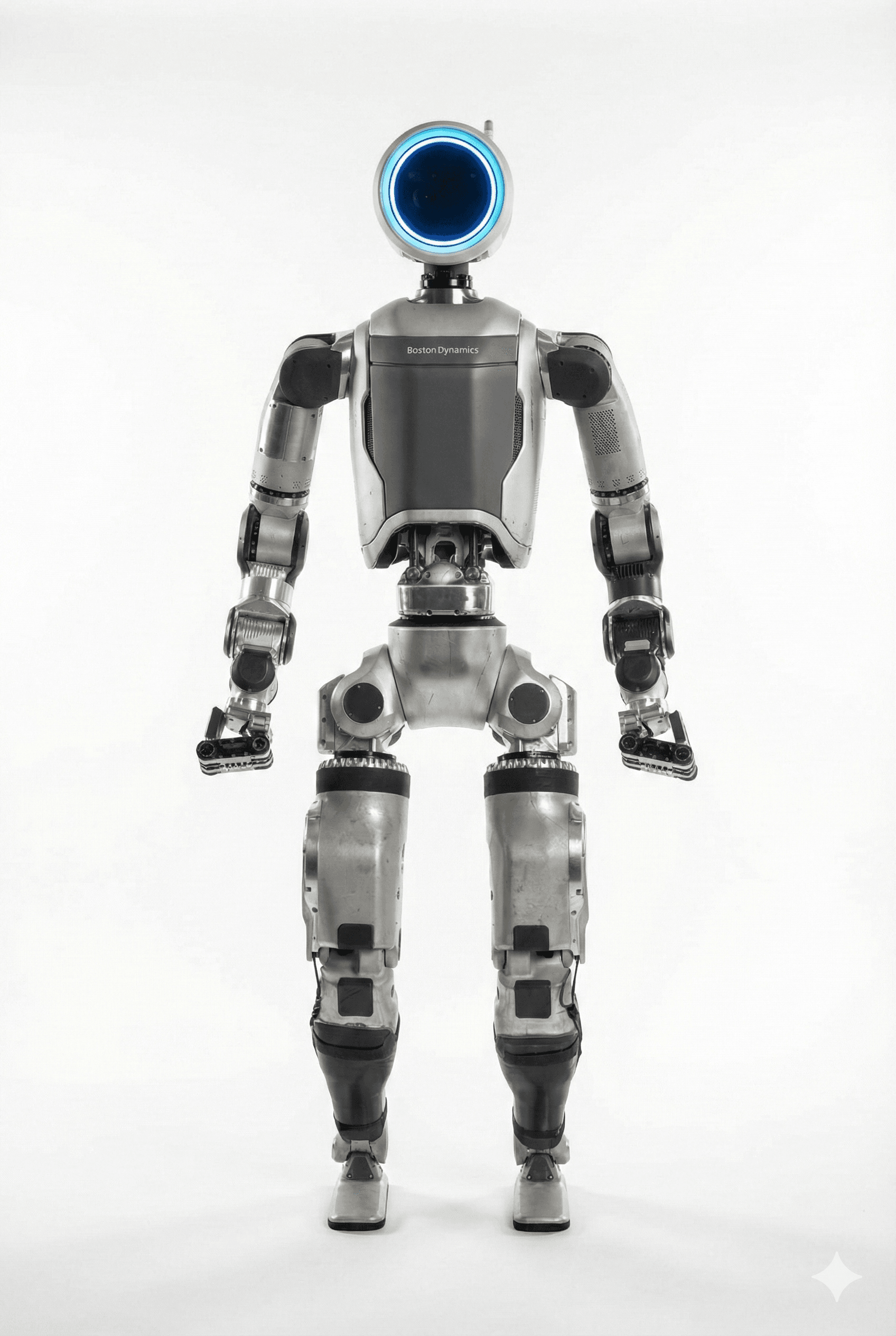
Boston Dynamics Atlas hydraulic actuators provide exceptional torque for dynamic movements including backflips. Unitree H1 joint motors deliver high torque enabling fast walking speeds. Industrial humanoid robots prioritize torque for lifting and manipulation tasks. Tesla Optimus uses custom actuators optimizing torque for target applications.