Actuator
What is Actuator in Humanoid Robotics?
A mechanical component that converts energy into motion, enabling a robot to move its joints and limbs.
Actuators are the "muscles" of a robot. They can be electric motors, hydraulic cylinders, or pneumatic devices that create controlled movement in response to control signals.
How Actuator Works
Actuators work by converting electrical, hydraulic, or pneumatic energy into mechanical motion. In humanoid robots, electric actuators (motors) are most common. When the robot's control system sends a command signal, the actuator responds by rotating a shaft or extending a cylinder. Feedback sensors like encoders measure the actual position and send this data back to the controller, which adjusts the actuator output to achieve precise movement. Modern humanoid robots use servo motors with built-in position control, allowing for smooth, accurate motions. The actuator's torque (rotational force) determines how much weight the joint can move, while its speed determines how quickly movements occur.
Types of Actuator
- Electric Motors: Brushless DC motors and servo motors are most common in humanoid robots due to their precision and control
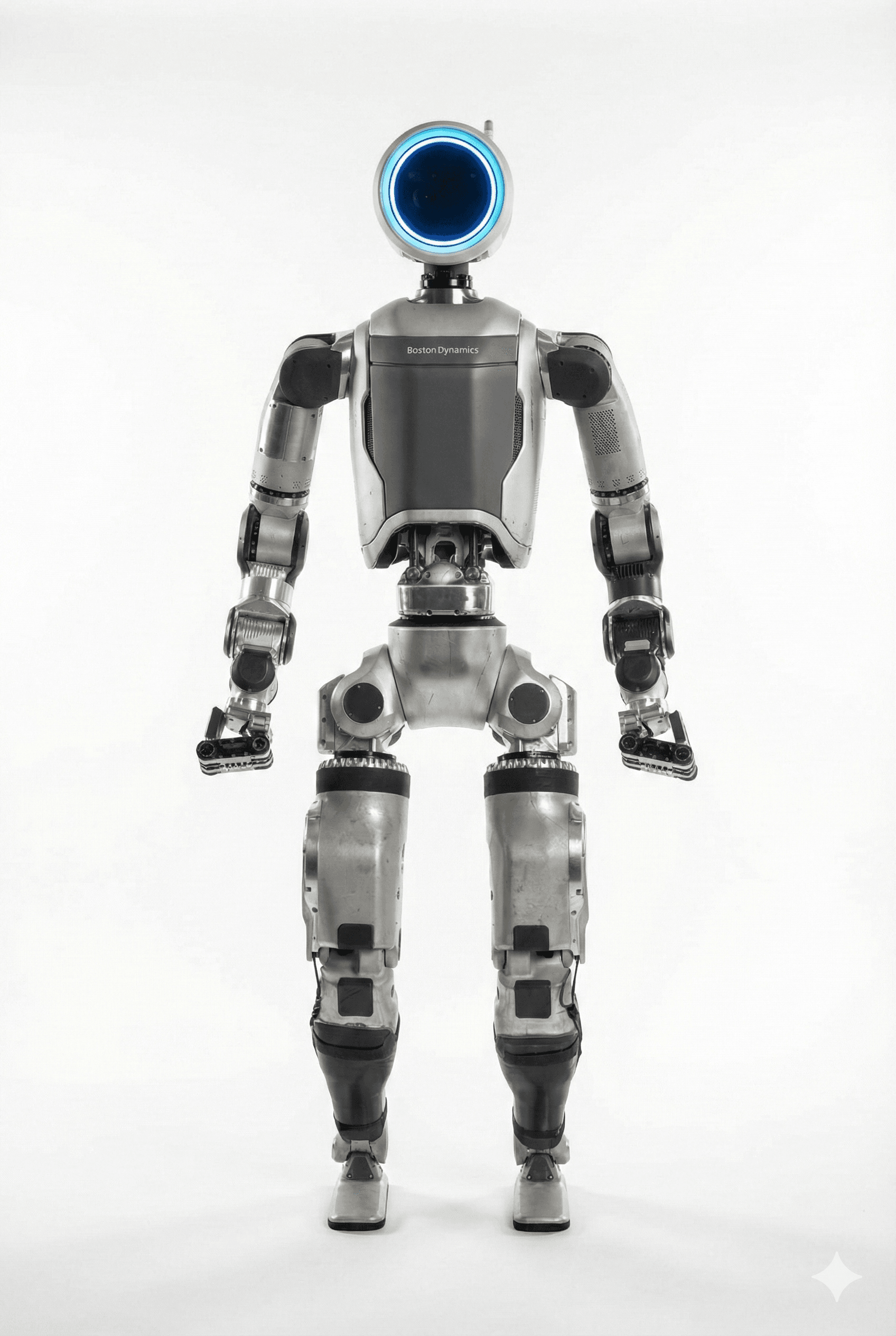
- Hydraulic Actuators: Used in industrial humanoid robots like Atlas for high power-to-weight ratio, enabling explosive movements and heavy lifting
- Pneumatic Actuators: Compressed air-powered, offering compliant (soft) movements but less precise control
- Series Elastic Actuators (SEA): Include springs between motor and output, providing safer human interaction and energy storage
- Direct Drive: Motor directly connected to joint without gears, offering high precision but requiring powerful motors
Applications in Humanoid Robots
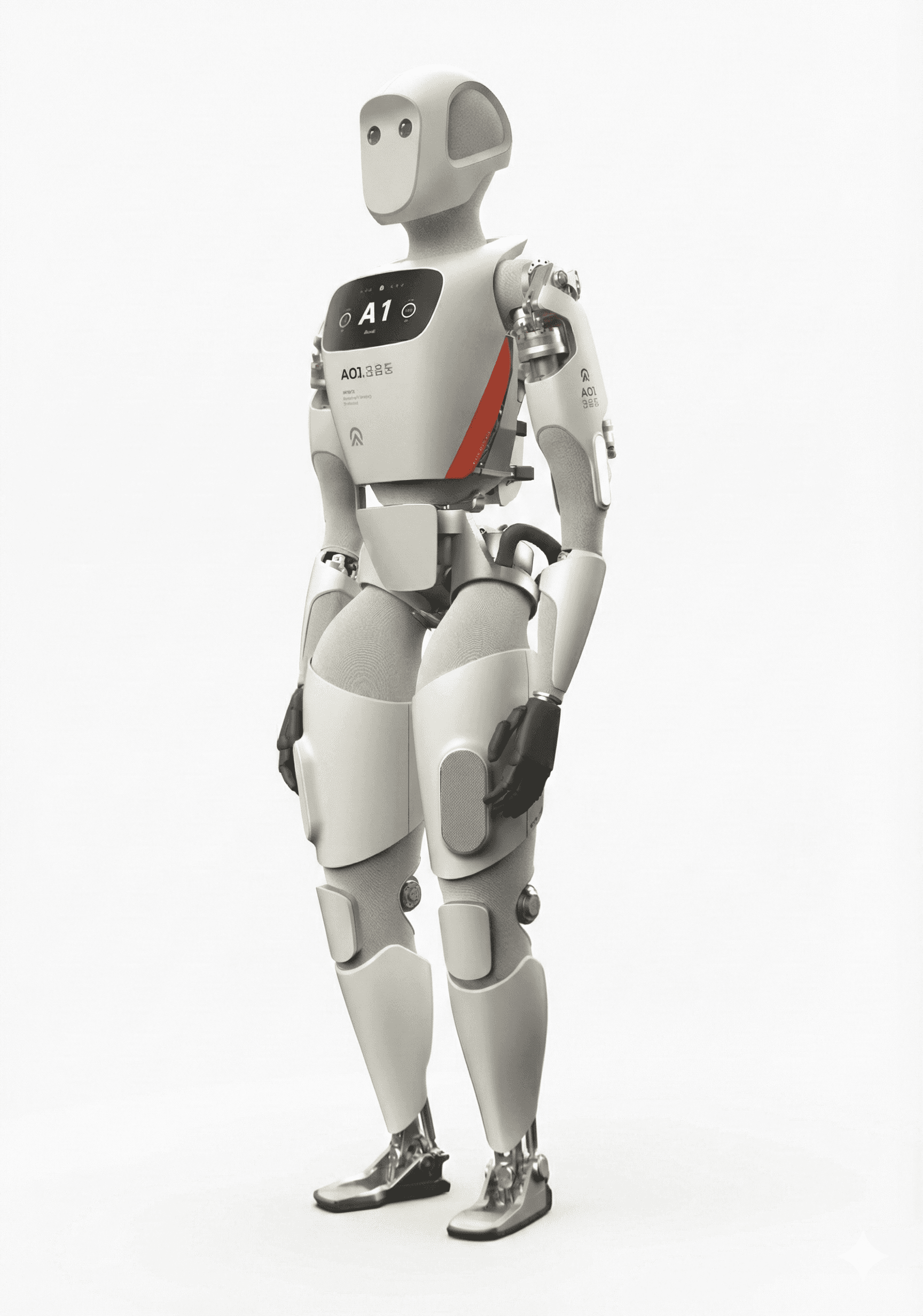
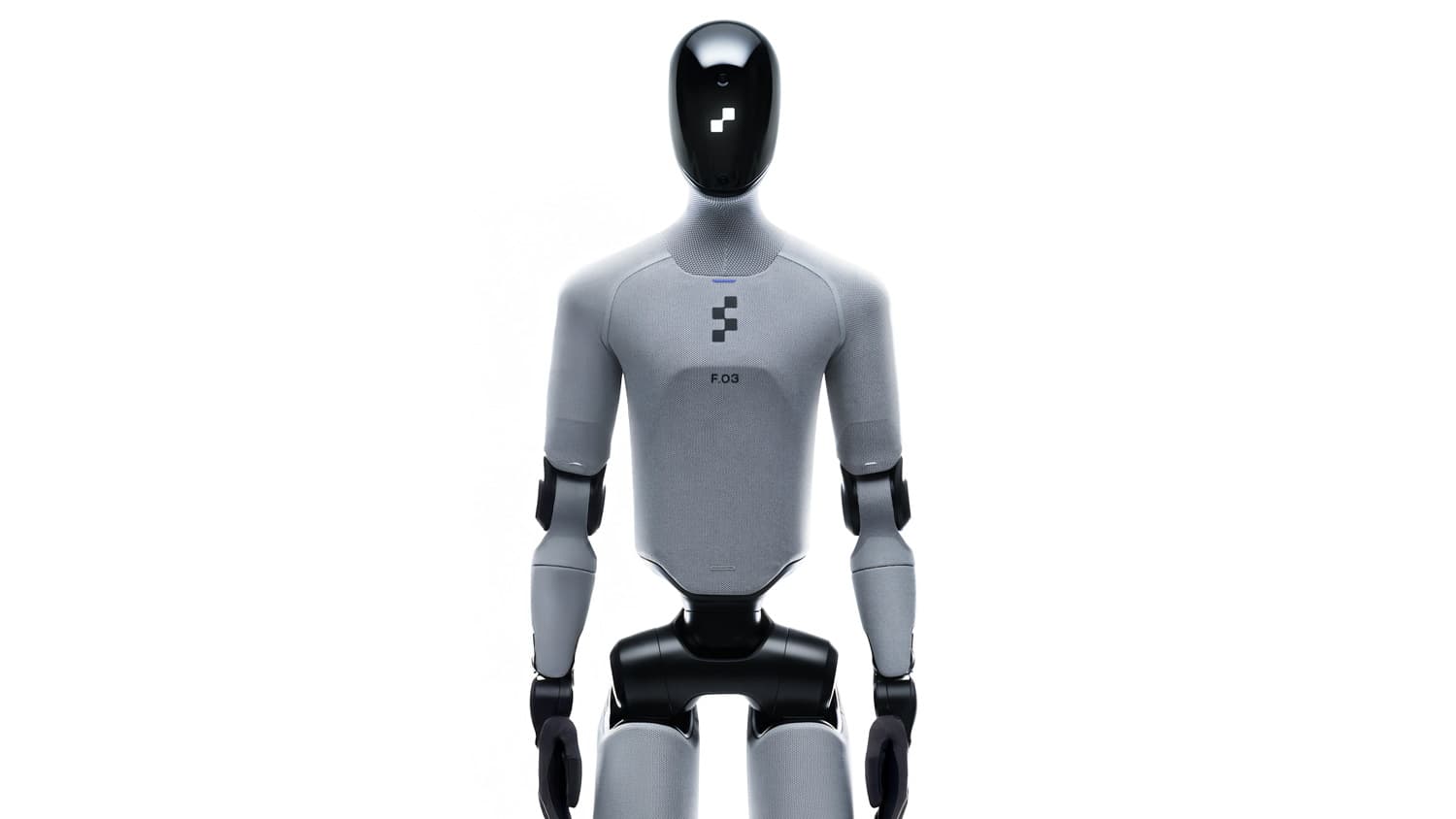
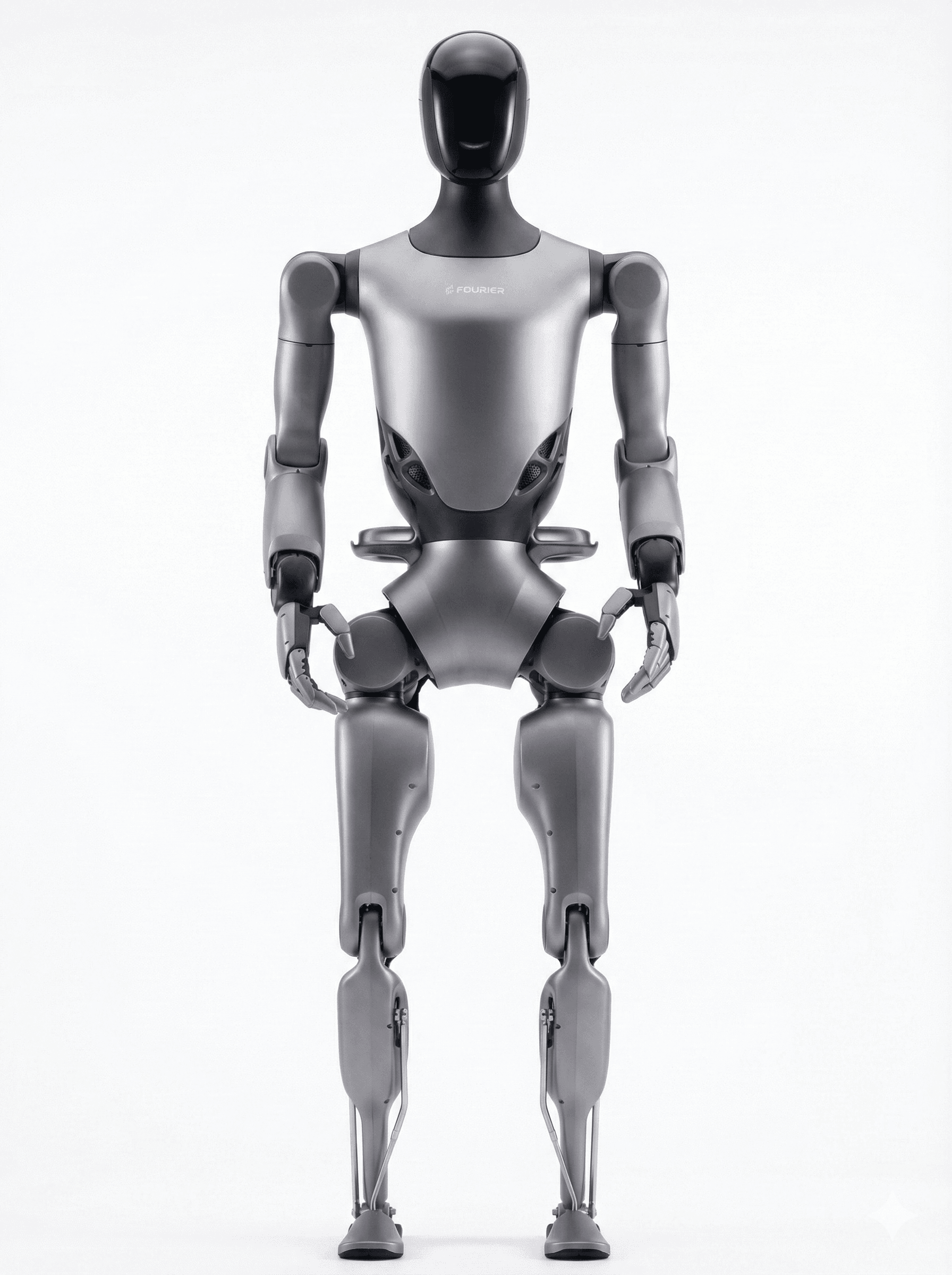
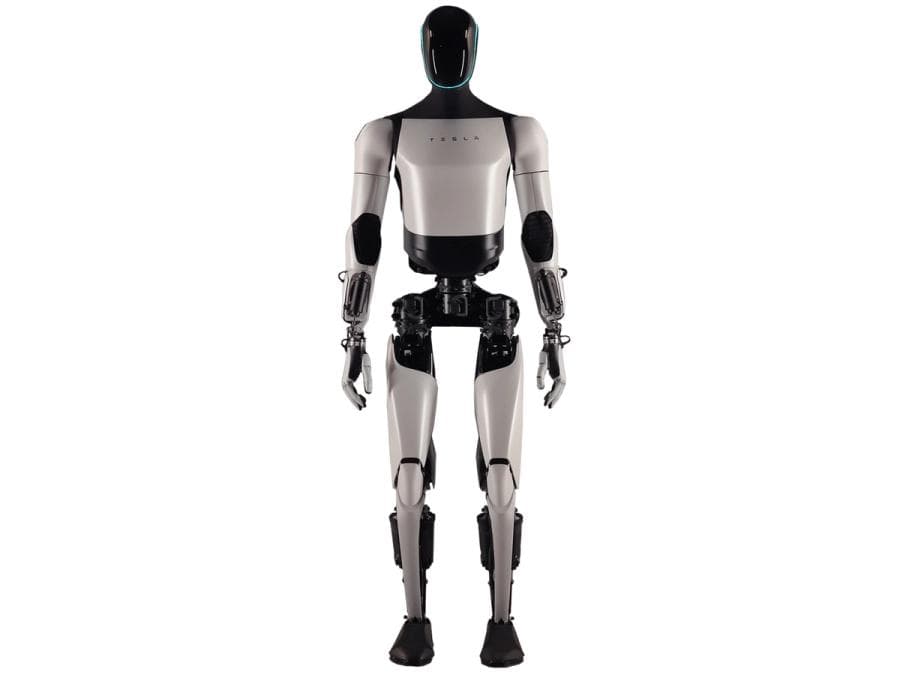
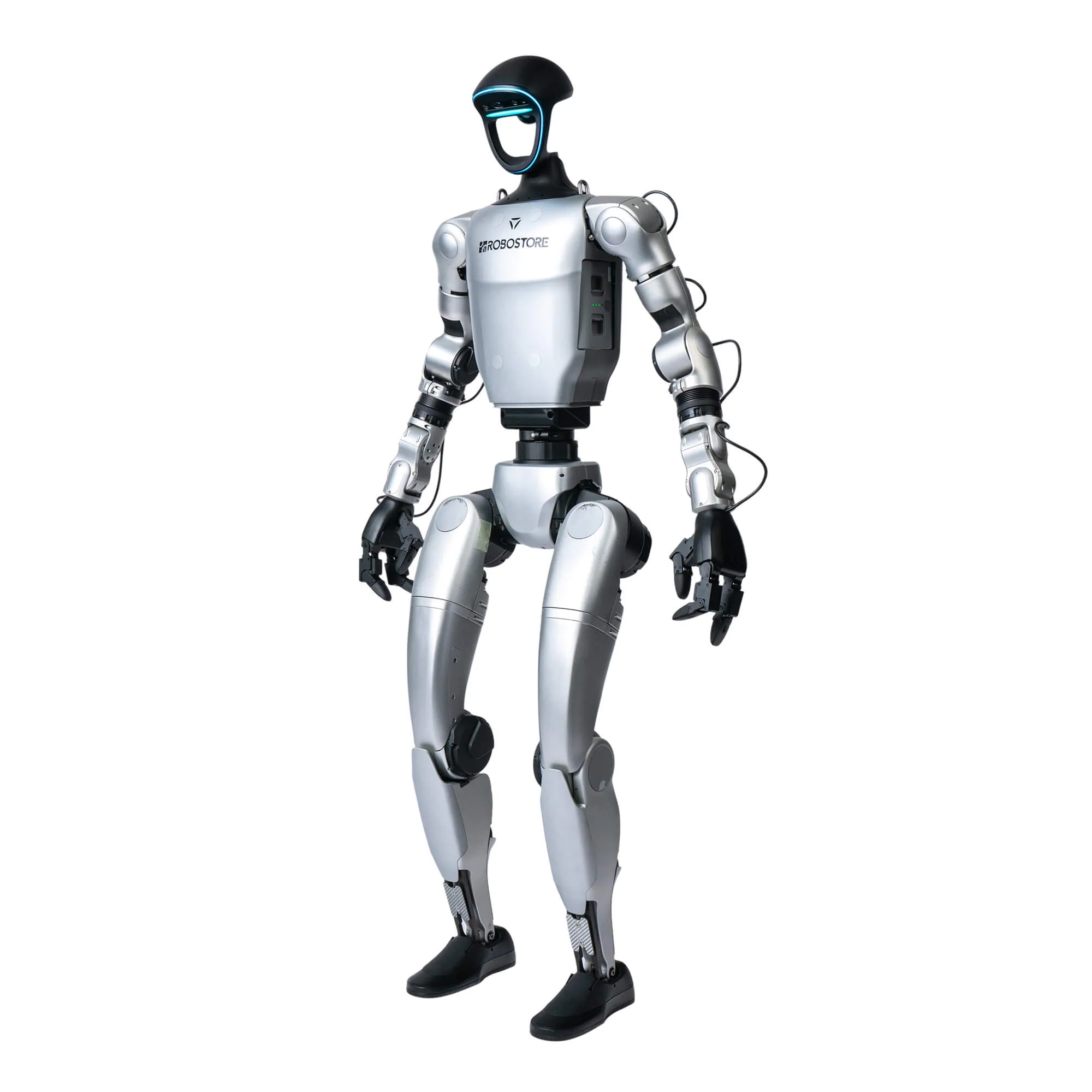
Actuators enable all physical movement in humanoid robots. In the legs, high-torque actuators power hip, knee, and ankle joints for walking and running. Arm and shoulder actuators allow manipulation tasks like picking up objects or operating tools. Smaller, precision actuators in hands and fingers enable delicate grasping. Neck actuators control head movement for directing sensors and cameras. Full-body humanoid robots like Tesla Optimus can have 40+ actuators working in coordination.